
COVID-19 pandemic in Antigua and Barbuda
Summary of the arrival, response, and effects of the COVID-19 pandemic in Antigua and Barbuda, including early cases, public-health measures, economic impacts, and notable distinctions between the islands.
Overview
The COVID-19 pandemic in Antigua and Barbuda is part of the global outbreak of coronavirus disease 2019. The country recorded its first confirmed case in March 2020. Public authorities responded with measures intended to limit transmission, protect the health system, and reduce imported infections while balancing the nation's economic reliance on tourism and services. For background on the virus and the worldwide pandemic, see the general COVID-19 pandemic resources.
Image gallery
2 Images
Early cases and timeline
On 13 March 2020 Prime Minister Gaston Browne announced the first confirmed COVID-19 case in Antigua and Barbuda. The patient had begun showing symptoms two days earlier. Authorities reported that, at that time, no cases had been recorded on the sister isle of Barbuda. Ongoing official updates and notifications were published by government channels and health officials to inform the public and manage the evolving situation; see local guidance at government notices.
Public health response and measures
Health officials implemented typical containment and mitigation actions used worldwide. These included screening and quarantine for travelers, contact tracing, isolation of confirmed cases, restrictions on public gatherings, and advisories on hygiene and mask use. Testing and laboratory capacity were scaled up as resources allowed, and health-care facilities were prepared for surge cases.
- Travel restrictions and border controls to limit importation of cases.
- Quarantine protocols and monitoring for close contacts.
- Public information campaigns about symptoms, testing and prevention, referenced in local coronavirus information.
Impact on society and the economy
The pandemic affected Antigua and Barbuda's economy, which is heavily reliant on tourism, hospitality and related services. Reductions in international travel and temporary closures of businesses led to economic contraction, job losses in vulnerable sectors, and efforts to support affected workers and companies. Social impacts included school closures, event cancellations and changes to everyday interactions. Recovery policies focused on safe reopening, health safeguards in tourism, and economic assistance.
Recovery, vaccination and regional cooperation
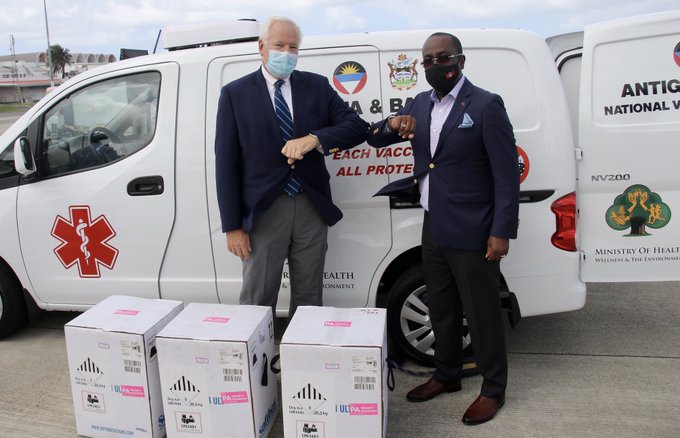
As vaccines became available globally, vaccination campaigns were introduced to protect high-risk populations and reduce severe illness. Antigua and Barbuda also coordinated with regional partners and multilateral initiatives to share information, laboratory support and public-health strategies. The islands' small population and geographic separation shaped both challenges and opportunities for controlling outbreaks.
Notable distinctions and legacy
A few notable aspects of Antigua and Barbuda's experience include the timing of the first confirmed case announced by national leadership, the early report that Barbuda had no confirmed infections, and the importance of tourism-dependent economic recovery plans. Long-term effects include strengthened public-health planning, emergency preparedness upgrades and lessons for managing health threats in small island states. For official updates and guidance, consult recognized national resources and advisories linked above (government, health).
Related articles
Author
AlegsaOnline.com COVID-19 pandemic in Antigua and Barbuda Leandro Alegsa
URL: https://en.alegsaonline.com/art/23703
Sources
- facebook.com : "ONE NEW CORONAVIRUS CASE RECORDED"
- loopslu.com : "Antigua and Barbuda records first case of coronavirus"
- loopnewsbarbados.com : "Antigua and Barbuda records first case of the novel coronavirus"