
Couvet — former municipality in Val-de-Travers, Neuchâtel
Couvet was a municipality in the Val-de-Travers valley of Neuchâtel, Switzerland, known for local industries and cultural ties to the absinthe tradition; it merged into Val-de-Travers in 2009.
Overview
Couvet was a small municipality in the Val-de-Travers district of the canton of Neuchâtel in Switzerland. Situated in the Jura region, it formed part of a cluster of villages and towns that shared similar economic activities and cultural traditions. On 1 January 2009 the municipalities of Boveresse, Buttes, Fleurier, Les Bayards, Môtiers, Noiraigue, Saint-Sulpice, Travers and Couvet were merged to create the new municipality of Val-de-Travers.
Image gallery
3 Images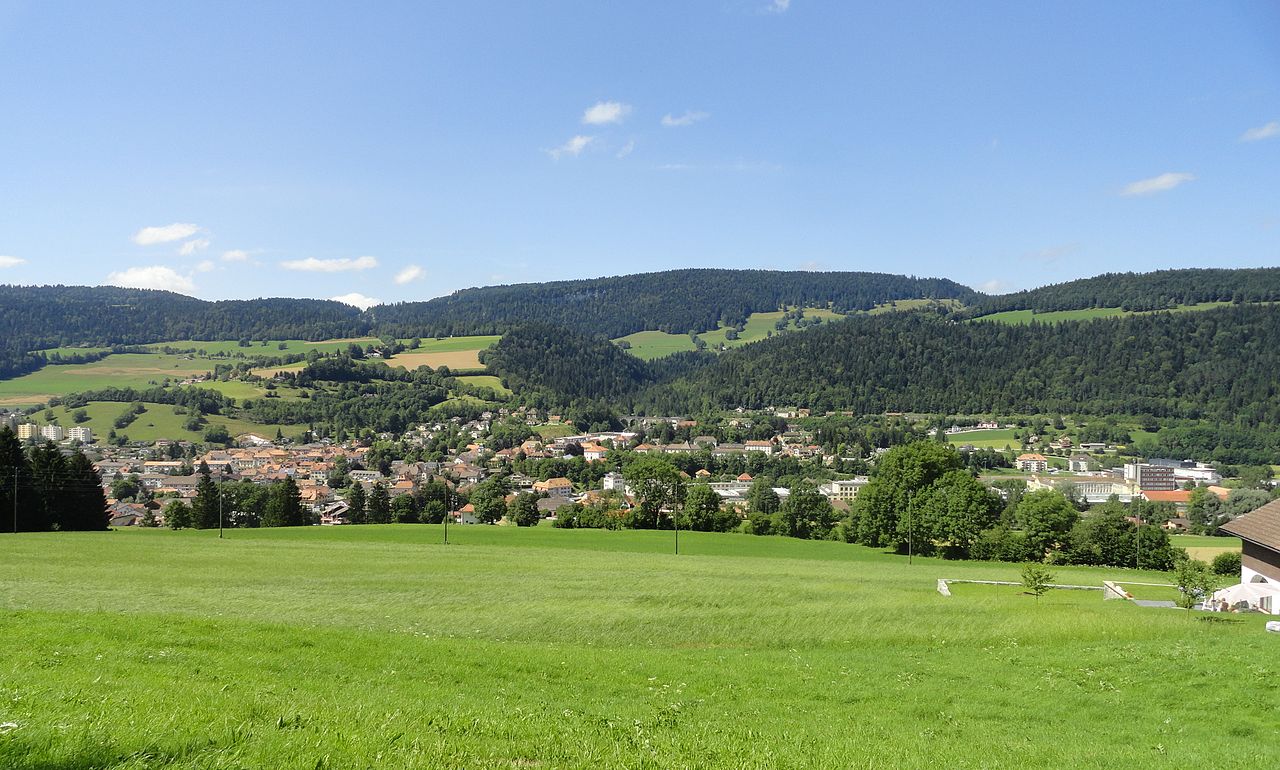


Geography and environment
Located in a valley carved by rivers and streams at the foot of the Jura Mountains, Couvet shared the region's mix of forested slopes, pastureland and limestone outcrops. The landscape has long supported mixed farming and small-scale forestry, and the local environment makes the area attractive to hikers and nature enthusiasts. Seasonal weather in the Jura gives distinct winters suitable for snow sports in upper elevations and mild summers in the valley.
History and administrative change
Historically, settlements in the Val-de-Travers developed around agriculture, artisanal crafts and trade routes crossing the Jura. Like many communities in western Switzerland, Couvet evolved with the rise of small industrial workshops and precision manufacturing in the 19th and 20th centuries. Administrative consolidation in the 21st century led to the 2009 merger that formed a larger municipal entity, aimed at improving public services, planning and economic coordination across the valley.
Economy, crafts and cultural ties
The local economy combined traditional agriculture with precision crafts and light industry. The Neuchâtel region, including Couvet and its neighbours, is widely associated with watchmaking and related precision trades; many towns supported small workshops, suppliers and family-run firms in these sectors. The Val-de-Travers area is also famously linked with the history of absinthe: the valley is often cited as a center of production and cultural association for the spirit, and this tradition has become an element of local identity and tourism.
Tourism and notable features
Visitors to the former municipality and the surrounding valley find walking routes, heritage sites and local museums that interpret rural life, artisanal production and the absinthe story. The combination of natural scenery and industrial heritage draws both outdoor enthusiasts and those interested in regional history. Local festivals and markets typically celebrate agricultural products and crafts, reinforcing community ties among the former municipalities that now form Val-de-Travers.
Legacy and distinctions
Although Couvet ceased to exist as an independent administrative unit after 2009, its legacy continues within the larger municipal framework. The merger preserved local place names and cultural practices while pooling resources for education, infrastructure and tourism promotion. Today, references to Couvet appear in historical accounts, local guides and regional planning documents as part of the broader Val-de-Travers identity.
- Former municipality: Couvet
- Part of canton: Neuchâtel
- New municipality since 2009: Val-de-Travers
For further general information about the valley and its communities, see regional guides and official municipal resources linked above.
Related articles
Author
AlegsaOnline.com Couvet — former municipality in Val-de-Travers, Neuchâtel Leandro Alegsa
URL: https://en.alegsaonline.com/art/23673
Sources
- bfs.admin.ch : Amtliches Gemeindeverzeichnis der Schweiz
- commons.wikimedia.org : Couvet