
Courboin — a small commune in the Aisne department of northern France
Courboin is a small rural commune in the Aisne department, historically part of Picardie and located in the north of France. The article covers location, administration, history, local life and notable features.
Overview
Courboin is a commune in northern France. It is part of the Aisne department and was historically associated with the Picardie region. Today it lies within the broader administrative area of Hauts-de-France, retaining the character of a small rural settlement typical of this part of the country. For basic civic details see the communal entry at commune information.
Image gallery
2 Images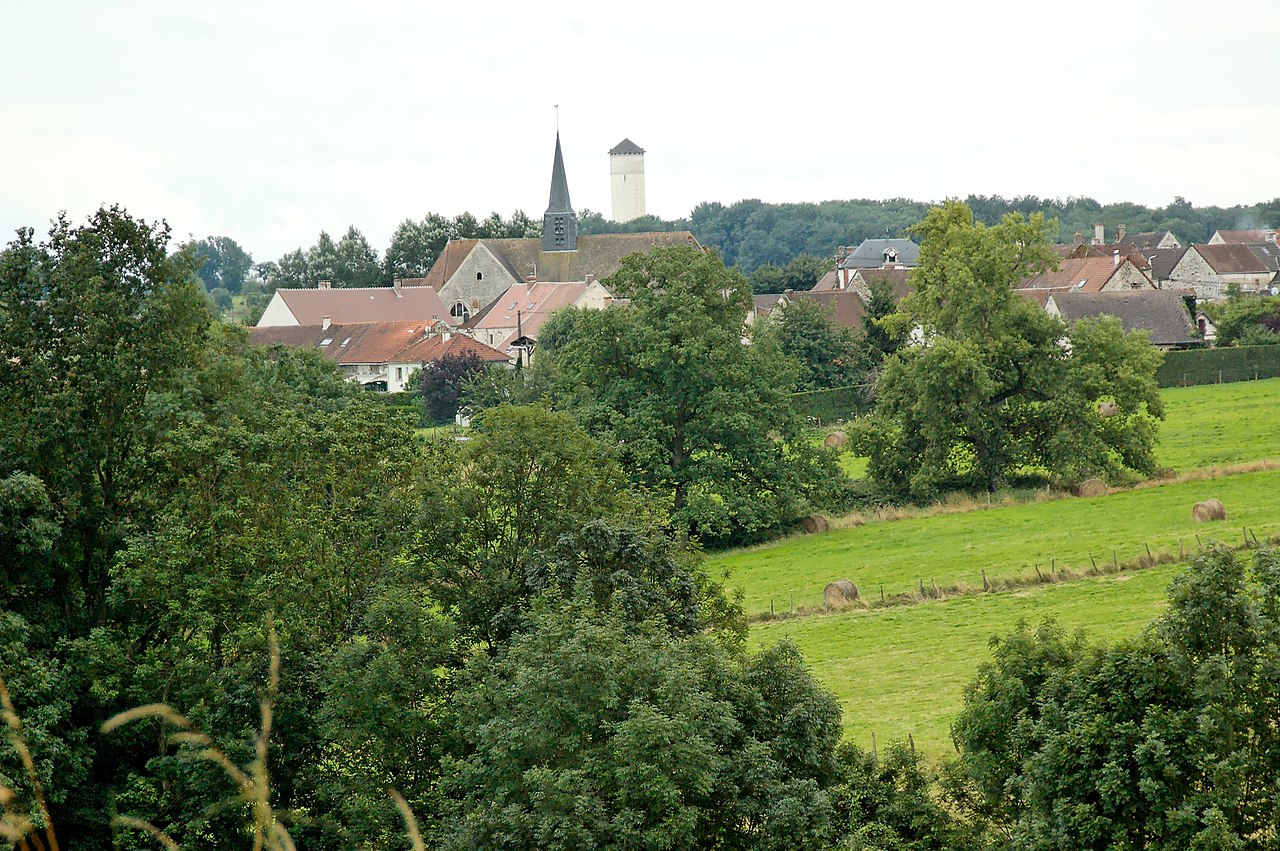

Geography and administration
The village sits amid the agricultural landscapes of Aisne and is connected administratively to local canton and arrondissement structures. It is one of many small municipalities that together form the departmental network in the north of France. More regional context is available through the historic Picardie designation at Picardie region and departmental resources at Aisne.
History and heritage
Like many rural communes in northern France, Courboin has medieval roots reflected in its place-name and local layout. Its built heritage is likely to include a parish church, farmhouses and traces of traditional agricultural patterns. Local history is tied to broader regional events—agricultural change, administrative reforms and the two world wars—which shaped communities across the area. For historical summaries consult regional history pages at historic overview.
Economy and daily life
Courboin’s economy is predominantly rural: farming, small-scale artisanal activity and commuting to nearby towns for services. Community life typically centers on the mairie (town hall), the church and occasional local associations. Seasonal rhythms, such as harvest and local festivals, remain important for social cohesion.
Visiting and notable facts
Visitors to communes like Courboin can expect quiet lanes, cultivated fields and local architecture. Points of interest are generally modest—village churches, war memorials and the surrounding countryside—but they illustrate rural French life. Practical visitor information and maps can be found via regional portals such as regional guide.
Distinctions and context
Courboin is representative of many small French communes: administratively autonomous, historically rooted and reliant on nearby towns for some services. Understanding it benefits from considering both local detail and the administrative layers—commune, department, region—that structure public life in France.
Related articles
Author
AlegsaOnline.com Courboin — a small commune in the Aisne department of northern France Leandro Alegsa
URL: https://en.alegsaonline.com/art/23572