
Country pop: the crossover of country songcraft and pop production
Country pop blends country songwriting and instruments with pop production and hooks. Originating in the 1970s, it produces radio-friendly crossover hits and has shaped several prominent artists and commercial trends.
Country pop is a commercially oriented style that merges elements of country music and pop music. It emphasizes accessible melodies, polished studio production, and lyrical themes that retain country songwriting roots while aiming for broader radio formats such as adult contemporary or Top 40. The style is best understood as a spectrum: some records keep strong country instrumentation, while others may only reflect country-influenced lyrics or vocal delivery.
Image gallery
9 Images


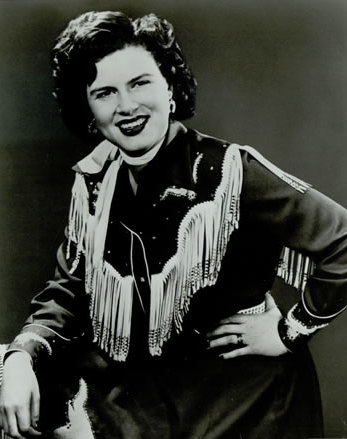

Key characteristics
- Instrumentation: blends acoustic guitar, slide or steel with pop keyboards, electric guitars and string arrangements.
- Production: smoother, radio-ready mixes, often with layered backing vocals and pop-oriented rhythms.
- Songwriting: concise hooks, verse–chorus structure and storytelling lines simplified for mass appeal.
- Vocal style: retains some country inflection but often moderated to suit mainstream listeners.
- Market focus: designed to cross over from country radio into broader formats and playlists.
History and development
The roots of country pop trace back to the mid-20th-century Nashville sound and later "countrypolitan" trends that softened honky-tonk edges with orchestral arrangements. The style became distinctly visible in the 1970s emergence of artists and producers who deliberately sought mainstream audiences. Over subsequent decades, waves of crossover success followed: in the 1980s and 1990s, polished production and television exposure expanded reach; by the 2000s and 2010s the boundaries between country and pop blurred further, aided by streaming and changing radio formats.
Notable artists and examples
Country pop has been associated with a range of performers who either began in country and moved toward pop, or who combined both from the start. See a general survey of performers and their crossover impact here. Examples include:
- Taylor Swift — began with country songwriting and later adopted full pop production while maintaining narrative lyrics.
- Shania Twain — noted for blending country themes with big pop hooks and international commercial success.
- Jessica Simpson — an example of a pop singer who released country-leaning material and sought crossover airplay.
- The Band Perry — a contemporary act whose singles mixed country instrumentation with pop-rock arrangements.
- Crystal Gayle — an earlier crossover vocalist whose smooth delivery and pop-friendly production helped set a template.
Importance and distinctions
Country pop has broadened the audience for country songwriting and provided commercial growth for artists and labels. It differs from country rock (which emphasizes rock instrumentation and edge) and from traditionalist country (which focuses on roots authenticity). The subgenre has provoked debate about artistic authenticity versus accessibility, but it remains a major force in popular music because it translates regional and narrative songwriting into formats that reach national and international listeners.
As formats and platforms continue to evolve, country pop adapts by absorbing contemporary pop trends while retaining ties to country storytelling, ensuring its ongoing presence in mainstream playlists and charts.
Related articles
Author
AlegsaOnline.com Country pop: the crossover of country songcraft and pop production Leandro Alegsa
URL: https://en.alegsaonline.com/art/23505
Sources
- uk.real.com : RealNetworks