
Crystal Gayle: American country singer and pop crossover artist
Overview of Crystal Gayle (Brenda Gail Webb), her career, signature song, musical style, major recordings, awards, and legacy as a country and crossover performer.
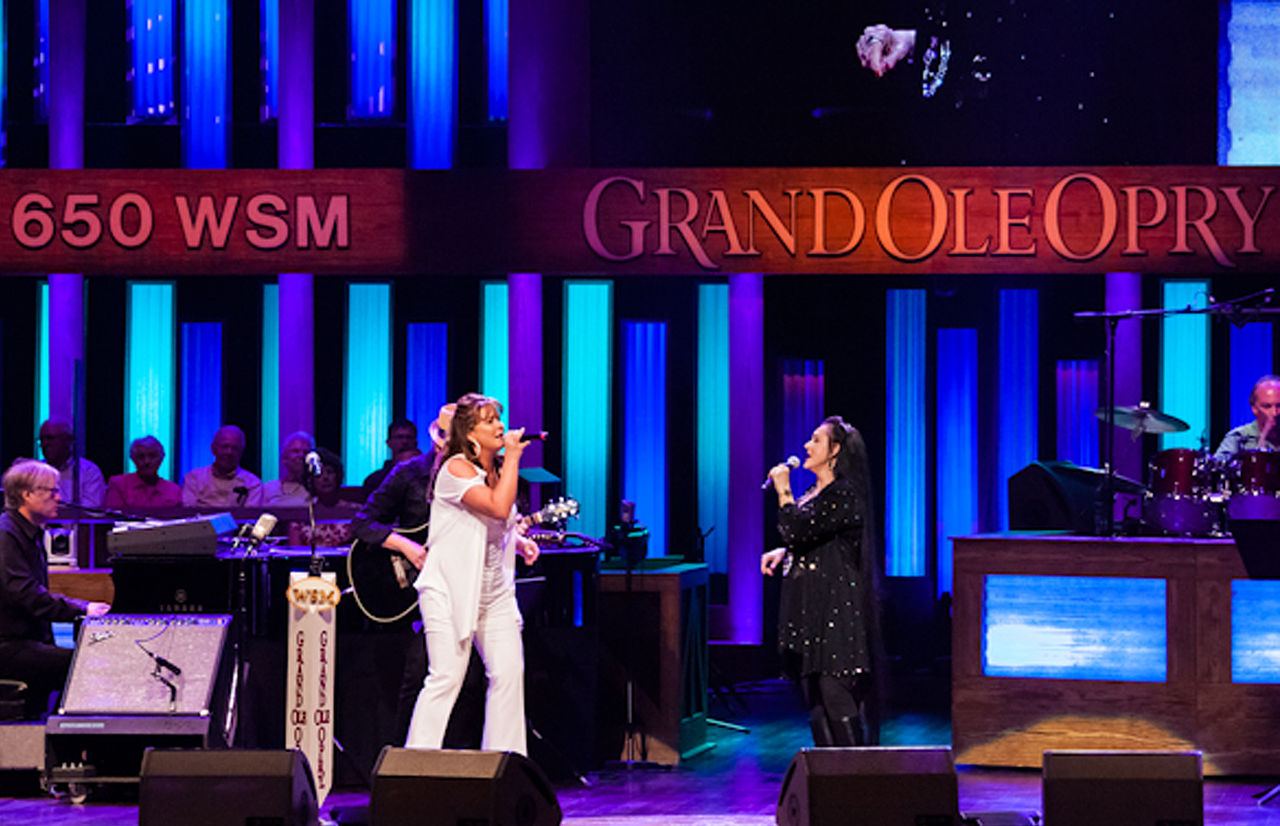
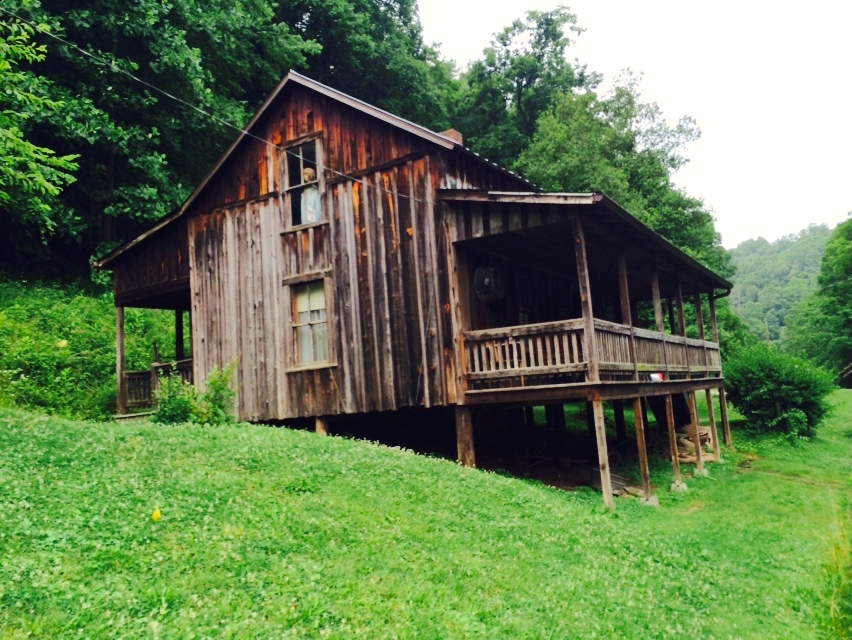
Crystal Gayle (born January 9, 1951 in Paintsville, Kentucky) is an American country singer known for a smooth, pop-oriented vocal style and for bringing country music to wider adult contemporary audiences in the 1970s and 1980s. She is the younger sister of fellow country artist Loretta Lynn. Gayle has been honored with a star on the Hollywood Walk of Fame and is often remembered for her distinctive, floor-length hair as part of her public image.
Image gallery
6 Images


Early life and beginnings
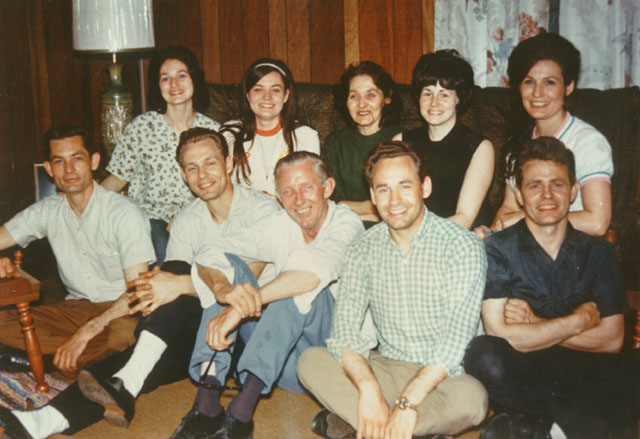
Born Brenda Gail Webb, Gayle grew up in a musical family and began performing at a young age. Her early exposure to country music and to the professional touring life through family connections helped launch her own career. She adopted the professional name Crystal Gayle as she began recording and performing outside her sister's shadow, developing a softer, more polished sound aimed at both country and pop audiences.
Breakthrough and signature song
Gayle achieved mainstream recognition with a crossover hit that brought her to pop as well as country radio. Her best-known recording, "Don't It Make My Brown Eyes Blue", became a signature song that expanded her audience and remains closely associated with her name. The song's success led to award nominations and broader media visibility, and it helped define Gayle's career as one that bridged genre boundaries.
Musical style and repertoire
Her voice is frequently described as warm and mellow, suited to ballads and midtempo arrangements that emphasize melody and clarity. Gayle's recordings often feature string and pop production elements that supported crossover appeal while maintaining country instrumentation and sensibility. She recorded a mix of original songs and carefully chosen covers, focusing on accessible, radio-friendly arrangements.
Career highlights and recordings
Throughout the 1970s and 1980s Gayle recorded a steady stream of commercially successful albums and singles, earning chart placement on country and adult contemporary charts. Her discography includes a number of well-received studio albums and singles that sustained her visibility in the industry. While she was most commercially prominent in those decades, Gayle continued to perform, make occasional recordings, and appear in concerts and television specials in later years.
Awards, legacy and influence
Gayle received industry recognition for her recordings and performances, with nominations and awards that acknowledged both her crossover success and her standing in country music. Her image and musical choices influenced the development of country-pop and helped pave the way for other artists seeking crossover audiences. Her relationship to Loretta Lynn also links her to a broader narrative about family influence in country music history.
Further reading and references
- Birth date reference
- Year of birth
- Hometown: Paintsville, Kentucky
- Nationality
- Genre: Country
- Occupation: Singer
- Loretta Lynn (family connection)
- Hollywood Walk of Fame star
For listeners and readers seeking more detailed information about specific albums, chart positions, and awards, consult dedicated music reference sources and official discographies, which can provide verified, itemized records of Gayle's recordings and honors.
Related articles
Author
AlegsaOnline.com Crystal Gayle: American country singer and pop crossover artist Leandro Alegsa
URL: https://en.alegsaonline.com/art/116902
Sources
- allmusic.com : "Crystal Gayle - Biography & History"