
Council house
Council houses are publicly provided homes in the UK and Ireland, built and managed by local authorities or their successors as a form of social housing with a distinct history, design types, and modern policy context.
Council house is a term used chiefly in the United Kingdom and Ireland to describe housing provided by local government as part of the public or social housing sector. Originally constructed and managed by municipal councils, council housing was intended to supply secure, affordable homes to people who could not meet market rents or who were rehoused from substandard or overcrowded properties. The phrase is now often used alongside or interchangeably with "social housing," though ownership and management arrangements have diversified.
Image gallery
9 Images




Characteristics and typical forms
Council housing includes a variety of dwelling types: terraced and semi‑detached houses with private gardens, purpose‑built apartment blocks (sometimes called "council flats"), and larger planned estates combining different forms. Dwellings were traditionally rented on assured tenancies with rents set below market levels and allocated according to local needs and waiting lists. Over time, other bodies such as housing associations and arms‑length management organisations have taken on construction or management roles, but many homes remain owned by local authorities.
History and development
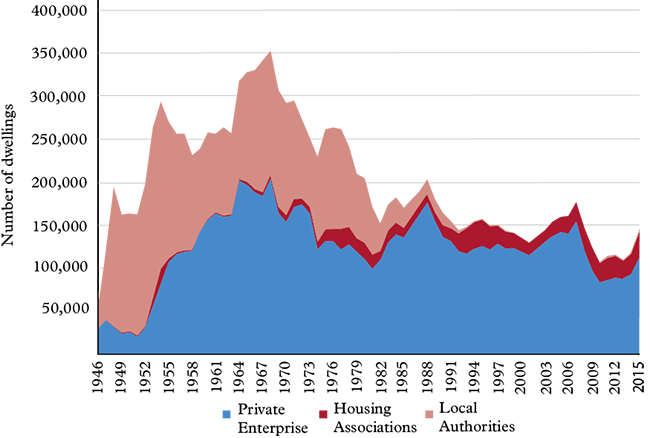
The modern council house movement grew from late 19th‑ and early 20th‑century concerns about urban slums and public health. After the First World War, governments enacted major programmes to build working‑class housing—often summarized by the slogan of providing "homes fit for heroes." Large building waves occurred in the interwar period and after the Second World War, when councils undertook extensive construction and slum clearance. Notable examples of large council developments include Becontree in Dagenham, begun in the 1920s, which became one of the largest housing estates in Britain.
Uses, policy changes and contemporary role
Council housing has provided long‑term, low‑cost accommodation and greater security for many households. From the late 20th century, policy changes altered the sector’s size and ownership: for example, home‑purchase schemes that allowed tenants to buy their homes and transfers of stock to housing associations reduced the volume of council‑owned housing. Councils still allocate housing, set eligibility criteria, and manage waiting lists, while facing challenges such as aging building stock, funding constraints, and pressures from housing shortages.
Distinctions and notable facts
- Term and scope: public housing or social housing covers a wider set of providers than just council ownership.
- Geography: Council houses are a prominent feature of both the United Kingdom (UK) and the Republic of Ireland (Ireland), though systems and legal frameworks differ.
- Management: Historically built by local councils (local councils), some large estates such as Becontree remain emblematic of the council housing era.
- Ireland: The Republic operates a comparable programme known as Local Authority Accommodation, administered by city and county councils.
Council housing remains an important part of the social infrastructure in both countries, central to debates about affordability, community planning, and the right to secure accommodation.
Related articles
Author
AlegsaOnline.com Council house Leandro Alegsa
URL: https://en.alegsaonline.com/art/23443
Sources
- publications.parliament.uk : House of Commons Hansard Debates for 13 Jul 2001 (pt 5), Column 1066