
Public housing: purpose, forms, history, and debates
Public housing is government-owned rental housing provided to increase affordability and reduce homelessness. This article explains its forms, history, uses, benefits and common challenges.
Overview
Public housing refers to residential buildings or units owned and usually managed by a government body—national, regional or local—intended to provide affordable homes for people with low incomes, the elderly, or those experiencing homelessness. It is one of several policy tools for addressing housing affordability and stability, operating alongside subsidies, vouchers, and privately developed affordable housing.
Image gallery
10 Images




Typical characteristics
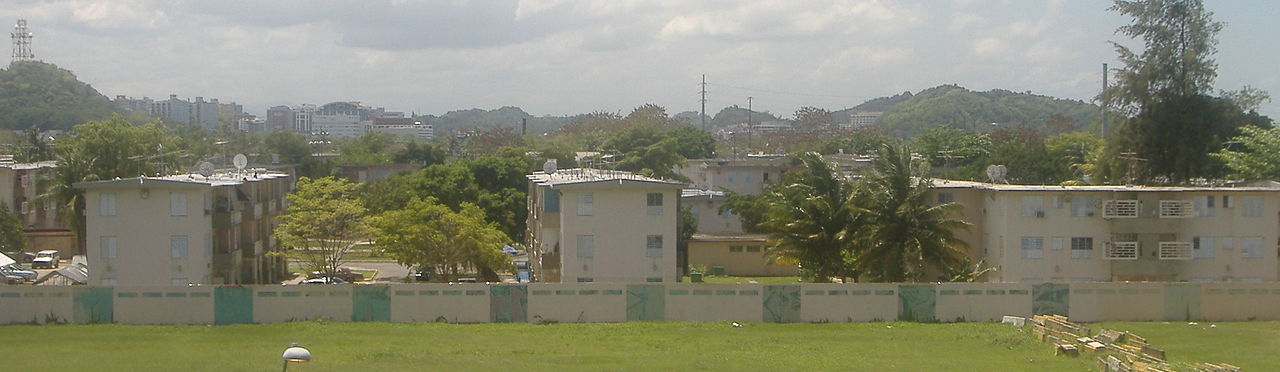
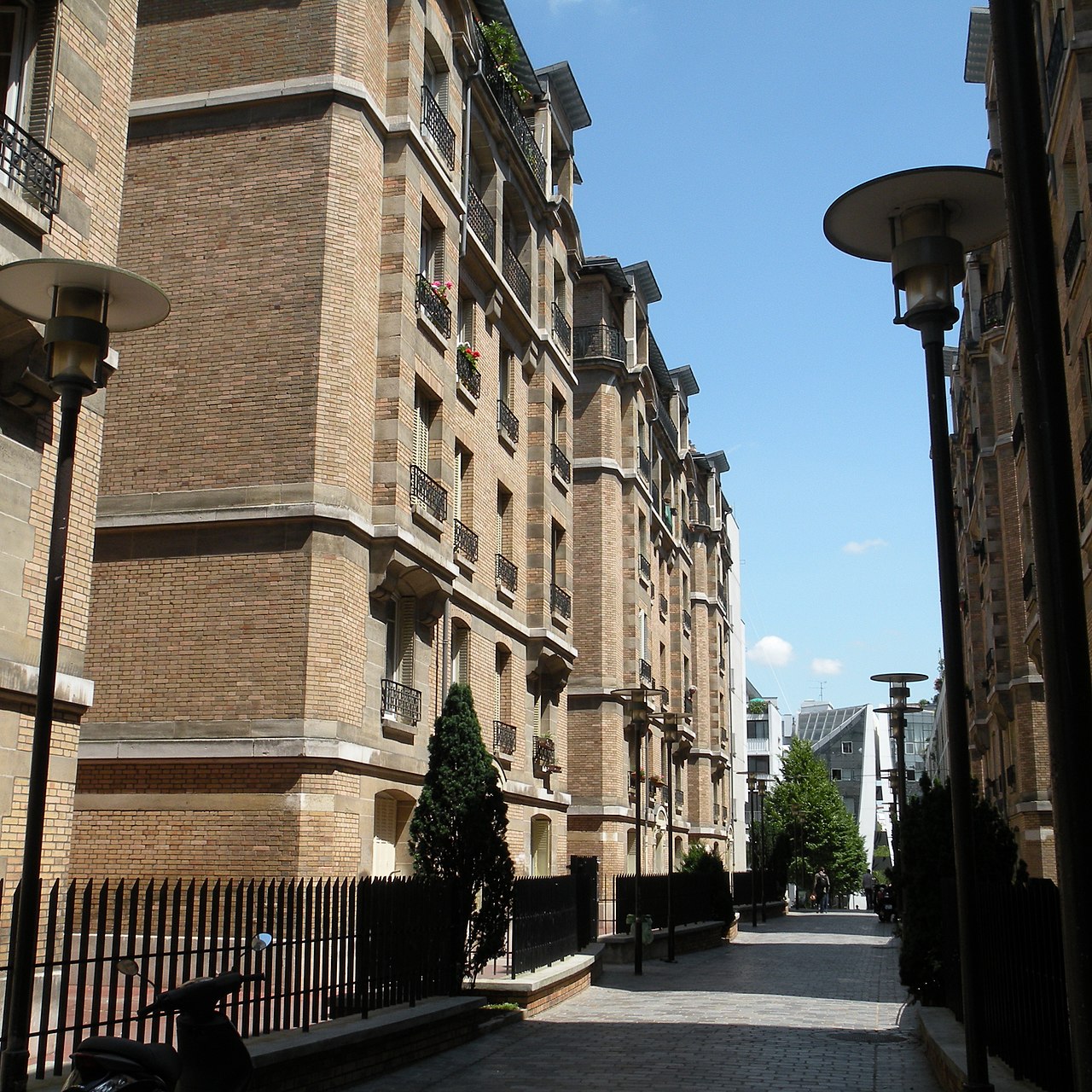
Public housing programs vary widely by country but share common features. Eligibility is commonly means-tested, rents are set below market levels (often linked to income), and management can be administered directly by public agencies or through nonprofit partners. Physical forms range from small apartment blocks and row houses to larger estates and mixed-income developments.
- Ownership: public agency or government-owned corporation.
- Tenure: usually rental, sometimes with paths to ownership.
- Design: from low-rise to high-rise, and increasingly mixed-use, transit-oriented schemes.
- Allocation: priority for low-income households, seniors, and vulnerable groups.
History and development
Governments began investing in collective housing in response to urban overcrowding and public-health concerns. In the 20th century many countries expanded large-scale public housing to replace substandard dwellings and to house workers during industrialization and postwar reconstruction. Over time, policy approaches diversified: some places continued to build and manage large estates, others shifted toward subsidies, vouchers, or public–private partnerships to broaden supply.
Uses, outcomes and importance
Public housing aims to provide long-term affordable homes, reduce homelessness, and promote social inclusion by stabilizing families' access to services, schools and jobs. Well-planned public housing can support community cohesion, improve public health outcomes, and reduce economic insecurity. Modern projects increasingly focus on energy efficiency, resident services and mixed-income strategies to avoid concentration of disadvantage.
Challenges and debates
Common concerns include chronic underfunding for maintenance, social stigma attached to certain developments, and the risk that concentrated poverty harms resident outcomes. Redevelopment or right-to-buy programs have sometimes reduced the public housing stock, prompting debates about equity, displacement and the best mechanisms to expand affordable housing. Policy choices balance direct provision, subsidies to private markets, and targeted support for vulnerable households.
Notable distinctions
- Public housing denotes government ownership and direct provision of homes.
- Social housing is a broader term that includes nonprofit and co-operative providers as well as publicly owned units.
- Private affordable housing involves market developers delivering below-market units through incentives or regulation.
Understanding public housing requires attention to local laws, history and fiscal arrangements; solutions that work in one city may not transfer directly to another. The sector remains a central component of many countries' strategies to ensure access to decent, stable housing for people on limited incomes.
Author
AlegsaOnline.com Public housing: purpose, forms, history, and debates Leandro Alegsa
URL: https://en.alegsaonline.com/art/144517
Sources
- archive.org : Encyclopedia of the City
- archive.org : 610