
Cotonou: Benin’s largest city and economic hub
Overview of Cotonou, the economic capital and largest city of Benin: location, population, port and transport, landmarks, history, economy, and urban challenges.
Overview
Cotonou is the principal commercial centre of Benin and the country’s most populous urban area. Often described as the economic capital, it functions as the focal point for business, administration and international contact even though the constitutional capital is Porto-Novo. Cotonou is widely regarded as the largest city in the country, with official population counts lower than many estimates; municipal figures and informal counts differ because of rapid urban growth and migration.
Image gallery
10 Images


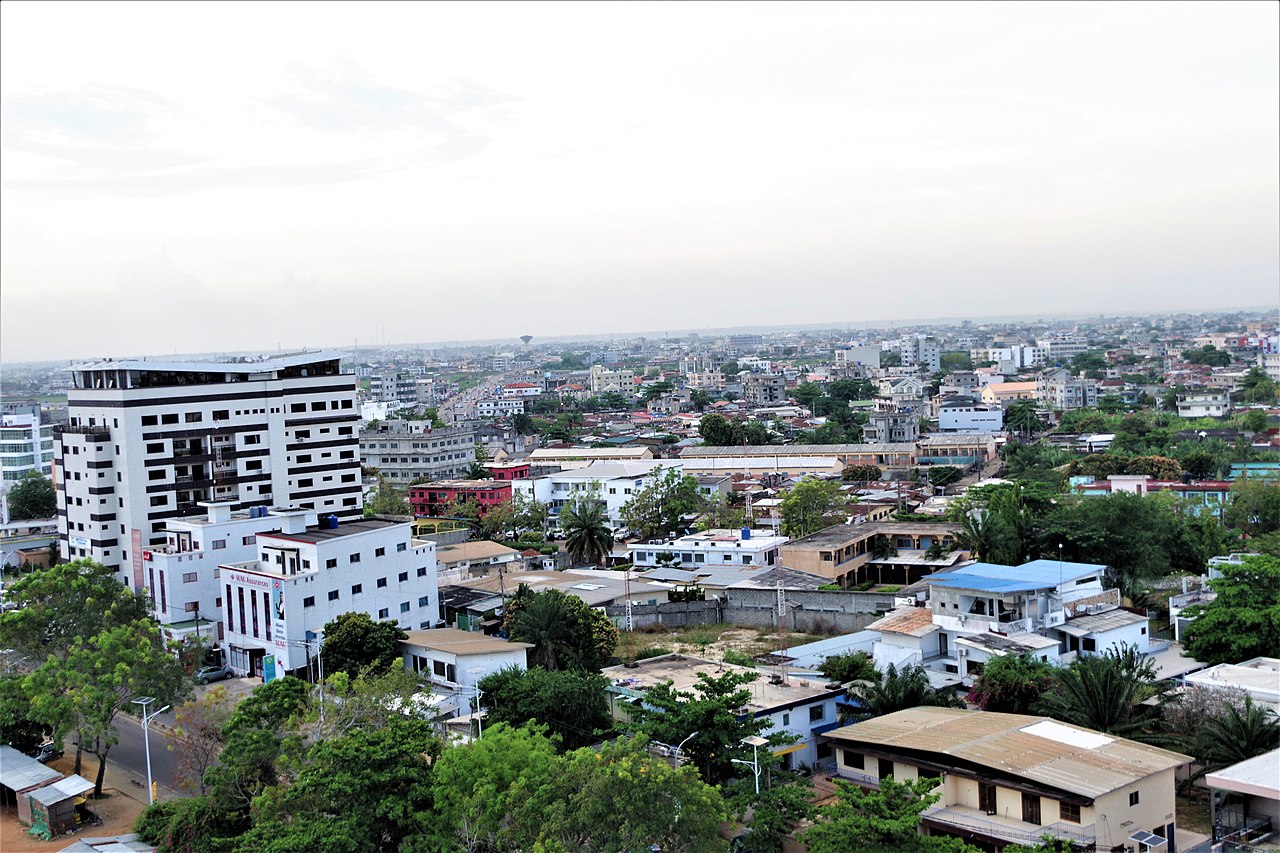


Population and administration
The city hosts many of the national government institutions as well as foreign missions and diplomatic representations, so a number of public services are located there in practice. Because these functions are concentrated in Cotonou, it serves as Benin’s practical or de facto capital in day‑to‑day affairs despite the formal designation of Porto‑Novo.
Economy, port and markets
The city’s economy is dominated by trade, logistics and port activities centred on the Autonomous Port of Cotonou, an important regional gateway for goods bound for landlocked neighbouring countries and coastal Benin itself. The port, customs and related services make maritime trade a central pillar of local employment and revenue. Cotonou’s marketplace culture is also significant: the sprawling Dantokpa Market is one of the largest open markets in West Africa and covers about 20 hectares, offering everything from foodstuffs and clothing to electronics and crafts.
Transport and connections
Transport infrastructure around Cotonou includes an international airport, road links to the interior and a rail connection that links the coastal hub with northern towns such as Parakou. These corridors support passenger travel and the movement of agricultural and industrial freight. Despite improvements, congestion and maintenance remain ongoing challenges for urban planners and logistics operators.
Landmarks and culture
Cotonou is home to a mix of religious, sporting and educational institutions that reflect its urban diversity. Notable sites include stadiums, churches and mosques as well as higher education institutions. Key locations often mentioned by visitors and residents include:
- Cotonou Friendship Stadium, a venue for sport and large events
- Cotonou Cathedral and other places of worship
- Cotonou Central Mosque, an important centre for the Muslim community
- The National University and cultural centres that host lectures and exhibitions
History and contemporary issues
Originally a small coastal settlement, Cotonou expanded rapidly during the colonial period and after independence as commercial activity intensified. Urban growth has brought opportunities and strains: housing demand, service delivery, flood management and informal neighbourhoods are persistent concerns. At the same time, investment in the port, tourism and civic projects continues to shape Cotonou’s role in national development and regional trade.
For readers seeking more specialised information, see local government pages and economic reports that cover Cotonou’s urban planning, port operations and demographic trends: economic profile, national context, demographics, country overview, government sites, diplomatic listings, public services, status, Porto‑Novo background, port details, airport information, market description.
Related articles
Author
AlegsaOnline.com Cotonou: Benin’s largest city and economic hub Leandro Alegsa
URL: https://en.alegsaonline.com/art/23360