
Coroner (Swiss thrash metal band)
Coroner is a Swiss technical thrash metal trio formed in 1985, noted for complex arrangements, progressive influences and influential albums such as No More Color, Mental Vortex and Grin.
Overview
Coroner is a Swiss heavy metal group formed in 1985 that rose to prominence within the technical and progressive side of thrash metal. Originating in Switzerland, the band developed a reputation for precise musicianship, intricate song structures and a fusion of metallic aggression with melodic and experimental touches. They released several albums on the Noise Records label that established them as a distinctive act on the late-1980s and early-1990s metal scene.
Image gallery
7 Images


Musical style and characteristics
Working as a three-piece—guitarist, bassist-vocalist and drummer—Coroner combined fast, palm-muted riffing and complex time signatures with clean, often technical production. Their sound incorporates elements of classical composition, jazz-influenced harmony, and progressive song forms, which set them apart from more straightforward punk-influenced thrash. Lyrical themes frequently explore psychology, death, science and social observation rather than traditional metal clichés.
History and development
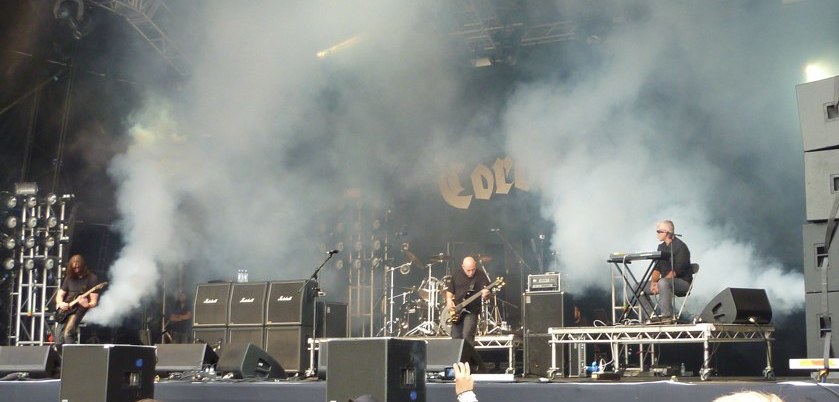
Formed in the mid-1980s, the band quickly moved from an underground act to one with international recognition through steady touring and well-received studio albums. Key releases from their late-1980s and 1990s period showcased a move from raw thrash roots toward increasingly sophisticated arrangements and production. After a hiatus in the mid-1990s the members pursued other projects and later reunited for select live appearances in the 2010s, bringing renewed attention to their classic recordings.
Notable recordings
- R.I.P. and Punishment for Decadence — early albums that displayed their thrash foundations (band catalog beginnings).
- No More Color — often cited as a breakthrough toward technical and progressive sound.
- Mental Vortex and Grin — albums that emphasized complexity and experimentation while maintaining metal intensity.
Legacy and influence
Although never achieving mass commercial success, Coroner influenced generations of musicians interested in technical proficiency and genre-blending within metal. Their work is frequently referenced by players and critics exploring the intersection of thrash, progressive metal and technical composition. For further reading and discography details, see official label pages and archived interviews (Switzerland scenes), fan resources (reissues and retrospectives) and label catalogs (Noise Records).
Related articles
Author
AlegsaOnline.com Coroner (Swiss thrash metal band) Leandro Alegsa
URL: https://en.alegsaonline.com/art/23197
Sources
- roadrunnerrecords.com : It's Official: Coroner To Reunite For Appearance At Next Year's Hellfest