
Corn, Oklahoma — small town overview and community profile
A concise encyclopedia-style profile of Corn, a small town in Oklahoma: location, history, economy, community life, landmarks, and notable local facts.
Corn is a small incorporated town in the U.S. state of Oklahoma. The town itself is identified as Corn in state and regional records and functions as a local center for nearby rural residents. Like many small American towns, Corn combines residential neighborhoods, small businesses, and agricultural land within and around its municipal limits.
Image gallery
2 Images
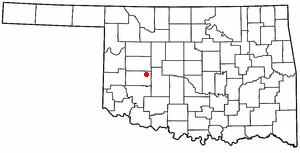
Location and physical setting
Corn lies within the agricultural plain of central Oklahoma and is accessible by secondary roads that connect it with larger towns and county seats. The surrounding landscape is characterized by cropland, pasture, and patches of native grassland. Distances to major urban centers are moderate, making Corn typical of towns that serve as service points for surrounding farms and rural households.
History and development
The town developed as part of regional settlement patterns in Oklahoma, where railroads, land runs, and agricultural opportunity shaped small communities. Over time Corn evolved from a farming settlement to a formally incorporated town with municipal services. Its history reflects broader state trends: rural settlement, agricultural commerce, and adaptation to changing economic conditions.
Economy and community life
Agriculture has long been important to the local economy, with grain, livestock, and related services prominent in the surrounding area. Within town limits, residents operate small businesses, shops, and service enterprises that cater to daily needs. Community life centers on schools, churches, volunteer organizations and seasonal events that keep social ties strong in a small-town context.
Quick facts and points of interest
- Municipal structure: small incorporated town with local government and basic services.
- Primary land use: agriculture and residential.
- Community institutions: elementary or combined schools, places of worship, community halls.
- Resources and further information are typically available through county offices and state agencies; for official listings see state and local resources.
Notable distinctions for a town like Corn include its role as a neighborhood hub for rural residents and as an example of Oklahoma's agricultural communities. Visitors and researchers interested in small-town life or rural development often study places like Corn to understand local governance, community resilience, and the ongoing importance of agriculture in the American Midwest and Plains states.
Related articles
Author
AlegsaOnline.com Corn, Oklahoma — small town overview and community profile Leandro Alegsa
URL: https://en.alegsaonline.com/art/23118
Sources
- www2.census.gov : "2018 U.S. Gazetteer Files"
- geonames.usgs.gov : "Feature Detail Report for: Corn" · archive.today
- factfinder.census.gov : factfinder.census.gov/bkmk/table/1.0/en/DEC/10_SF1/SF1DP1/1600000US4017300
- census.gov : "Population and Housing Unit Estimates"
- census.gov : "U.S. Census website"
- geonames.usgs.gov : "US Board on Geographic Names"