
Coronado, Kansas: history and the 1887 county-seat shootout
Coronado, Kansas, was a short-lived 19th-century settlement in Wichita County noted for a violent 1887 county-seat contest. Platted in 1885, it declined after losing the battle for the county seat.
Overview
Coronado was an unincorporated community in western Kansas, established in the mid-1880s during a period of rapid settlement on the Plains. Platted in 1885, the town briefly grew as settlers, speculators and merchants sought to establish new centers of commerce in Wichita County. Its story is chiefly remembered for a violent county-seat dispute that ended the town’s hopes of becoming the county’s administrative center.
Image gallery
2 Images
Location and characteristics
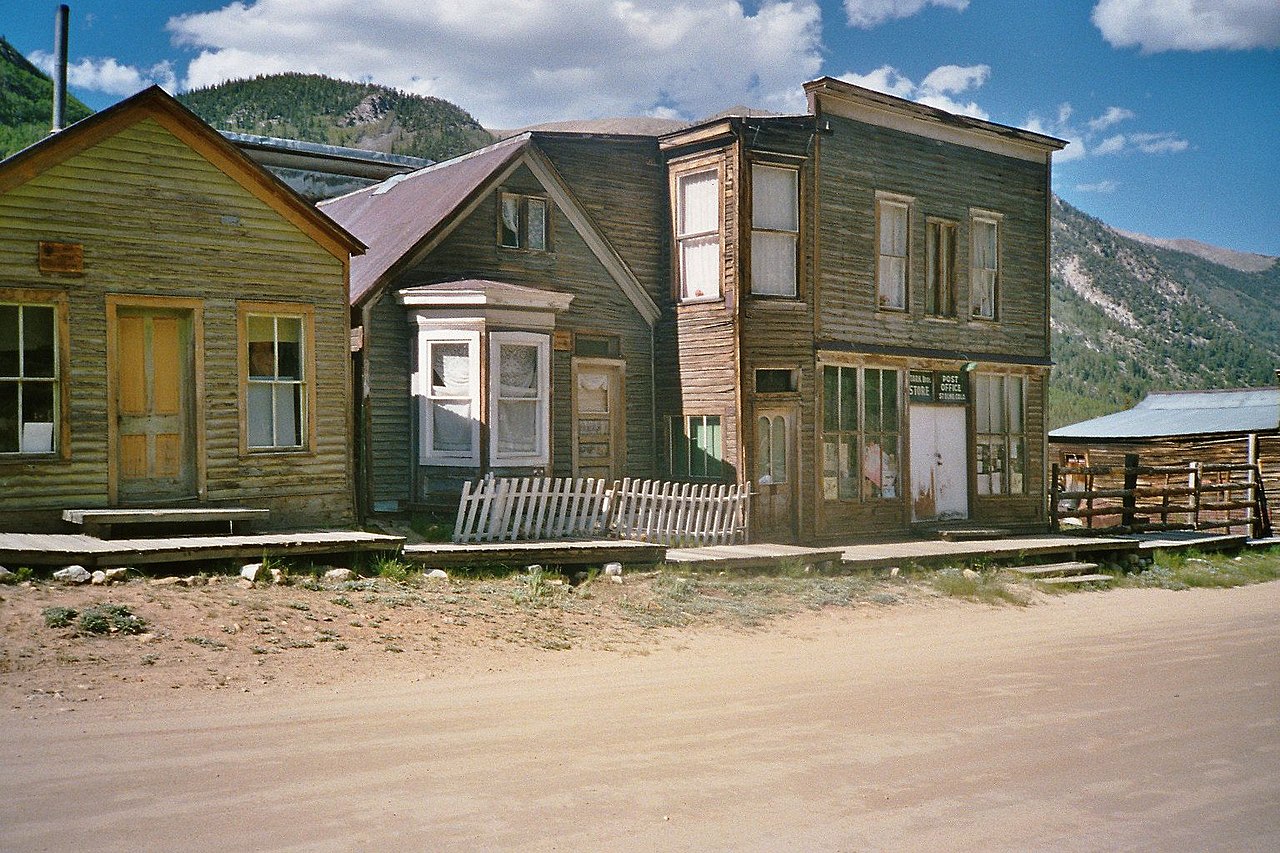
Coronado lay within Wichita County and was one of several rival towns competing for prominence in the region. It received a post office in 1886, a common indicator of community status at the time, which operated until 1899. Like many frontier towns, Coronado featured basic commercial and residential lots laid out according to a plat, but it lacked the long-term economic foundations that would have sustained it after losing political contests to neighboring settlements.
The county-seat conflict
In the late 19th century, contests for the designation of a county seat were often fierce because the winner attracted businesses, rail connections and government trade. Coronado became embroiled in such a contest with nearby Leoti. On February 27, 1887, a violent confrontation—one of the bloodiest county-seat clashes recorded in the American West—erupted between factions supporting the rival towns. Accounts describe armed men and a shoot-out that left several people dead and others wounded; some participants were described as hired boosters from Leoti.
Aftermath and decline
Following the confrontation, Leoti ultimately secured the position of county seat for Wichita County, a development that largely determined the political and economic future of the area. Coronado declined afterward; the loss of status and commerce led residents and businesses to relocate. The post office, a signal of decline when discontinued, closed in 1899.
Legacy and significance
Coronado is frequently cited in histories of the American frontier as an example of the intense, sometimes violent competition that accompanied settlement and local government formation. The incident is discussed in regional histories and local commemorations as a dramatic illustration of how county-seat wars shaped Western development. Today Coronado is remembered more for this episode than as a thriving community.
Further reading and references
- Historical summaries of Wichita County and its towns (Wichita County resources).
- Regional histories of Kansas and county-seat conflicts (county history, Kansas settlement).
- Contemporary accounts and post office records (period reporting, postal records).
Questions and answers
Q: What was Coronado?
A: Coronado was an unincorporated community in Wichita County, Kansas, United States.
Q: When was Coronado platted?
A: Coronado was platted in 1885.
Q: What happened in Coronado on February 27, 1887?
A: The shoot-out on February 27, 1887, with boosters—some would say hired gunmen—from nearby Leoti left several people dead and wounded.
Q: What is the significance of the shoot-out on February 27, 1887?
A: It was the bloodiest county seat fight in the history of the American West.
Q: Did Coronado have a post office?
A: Yes, Coronado had a post office from 1886 until 1899.
Q: When and why did Coronado lose its post office?
A: Coronado lost its post office in 1899.
Q: Who were involved in the shoot-out on February 27, 1887?
A: Boosters—some would say hired gunmen—from nearby Leoti were involved in the shoot-out on February 27, 1887.
Related articles
Author
AlegsaOnline.com Coronado, Kansas: history and the 1887 county-seat shootout Leandro Alegsa
URL: https://en.alegsaonline.com/art/23183
Sources
- wichitacounty.org : "8 Wonders of Wichita County"
- genealogytrails.com : "County Seat History of Wichita County, Kansas" · web.archive.org
- kshs.org : War in Wichita County · web.archive.org