
Cormac Murphy-O'Connor, English Cardinal and Archbishop of Westminster
Cardinal Cormac Murphy-O'Connor (1932–2017) served as Archbishop of Westminster and led the Catholic Bishops' Conference of England and Wales; created cardinal in 2001 and retired in 2009.
Overview
Cormac Murphy-O'Connor was a senior English prelate of the Roman Catholic Church who served as Archbishop of Westminster and as President of the Catholic Bishops' Conference of England and Wales. He was elevated to the College of Cardinals by Pope John Paul II in 2001. His tenure as a public figure in British Catholicism was marked by engagement with ecumenical partners, involvement in national debates about faith and public life, and stewardship of diocesan affairs in one of the Church's principal sees in England.
Image gallery
4 Images


Early life and education
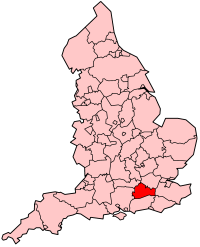
Murphy-O'Connor was born on 24 August 1932 in Reading, in Berkshire, England. His early schooling included Presentation College in Reading, and he pursued further theological and clerical studies at the Pontifical Gregorian University in Rome, where many priests receive advanced formation. His formation prepared him for a lifetime of pastoral ministry and diocesan leadership.
Priestly ministry and path to the episcopate
After ordination to the priesthood (he served in parish and diocesan roles), Murphy-O'Connor spent decades in pastoral and administrative work. Over time he took on greater responsibilities within the Church in England and Wales, culminating in his appointment as Archbishop of Westminster, the senior Catholic bishopric in the country. In that capacity he combined pastoral oversight with public representation of the Catholic community.
Archbishop of Westminster and cardinalate
As Archbishop, Murphy-O'Connor was a prominent voice in interchurch relations and public conversations about moral and social issues. He was created a cardinal by Pope John Paul II (see appointment) in 2001. Canon law expects bishops to submit their resignation on reaching age 75; he offered his resignation on that birthday and it was accepted by Pope Benedict XVI on 3 April 2009 (resignation accepted), after which he retired from the archiepiscopal governance of Westminster.
Roles and responsibilities
- Archbishop of Westminster — chief pastor for Catholics in the archdiocese and a leading figure in national Catholic affairs.
- President of the Catholic Bishops' Conference of England and Wales — representative role among the hierarchy.
- Cardinal — member of the College of Cardinals with duties as assigned by the Holy See.
Legacy and death
Murphy-O'Connor's legacy is often discussed in terms of his efforts to foster dialogue between Christians of different traditions and his involvement in educational and charitable concerns associated with the Church. He remained an identifiable presence in public life after retirement. He died on 1 September 2017 in London of bladder cancer, at the age of 85. His passing prompted reflections across religious and civic communities on his long service and the role of the Catholic hierarchy in contemporary Britain.
For further reading about his life and ministry, see general reference sources and ecclesiastical communications that document the appointments, public statements, and pastoral initiatives of the archdiocese and the national bishops' conference (cardinalate, resignation, birthplace).
Related articles
Author
AlegsaOnline.com Cormac Murphy-O'Connor, English Cardinal and Archbishop of Westminster Leandro Alegsa
URL: https://en.alegsaonline.com/art/23100
Sources
- theguardian.com : "Cardinal Cormac Murphy-O'Connor obituary"
- bbc.com : "Cardinal Cormac Murphy-O'Connor dies at 85"