
Cornelia Cole Fairbanks
Cornelia "Nellie" Cole Fairbanks (1852–1913) was the wife of Vice President Charles W. Fairbanks and served as Second Lady of the United States (1905–1909); she was an educated social hostess and civic-minded public figure.
Overview
Cornelia "Nellie" Cole Fairbanks was an American social figure best known as the spouse of Vice President Charles W. Fairbanks. Born on January 14, 1852, she combined a formal education with the social responsibilities expected of political spouses at the turn of the 20th century. During her husband's vice-presidential term, from 1905 to 1909, she carried out the unofficial duties associated with the Second Lady of the United States while national attention focused on President Theodore Roosevelt's administration.
Image gallery
2 Images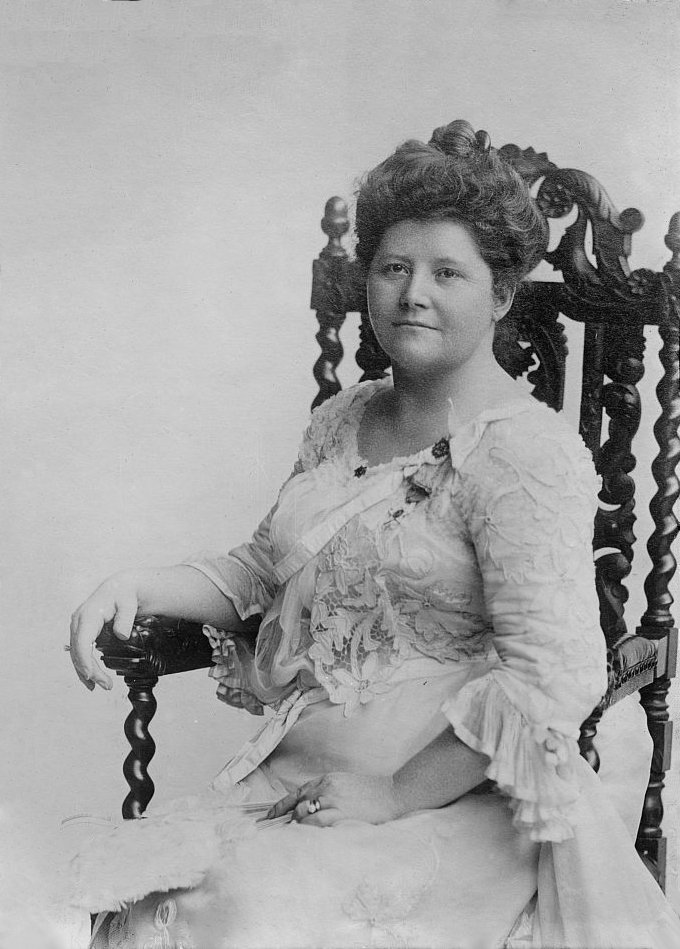

Early life and education
Cornelia Cole was born in Marysville, Ohio, into a Midwestern family at a time when educational opportunities for women were expanding. She pursued higher education at the Ohio Wesleyan Female College, which later merged with Ohio Wesleyan University in Delaware, Ohio. Her studies reflected a pattern among 19th-century women of the middle and upper classes who combined learning with preparation for roles in family and community life.
Marriage and family
In 1874 Cornelia married Charles W. Fairbanks and over the following years the couple raised five children. Their household and family life supported Charles Fairbanks's legal and political career while Cornelia oversaw domestic and social obligations common to public families of the era.
- Adelaide
- Robert
- Richard
- Frederick
- Warren
Role as Second Lady and public activities
While there was no formal office for the vice-presidential spouse, Cornelia Fairbanks performed many of the ceremonial and hostess functions associated with that role. She received guests, helped organize social events connected with the vice presidency, and represented the vice-presidential household at public and private gatherings. Her activities were typical of politically engaged women of the Progressive Era, who often combined social leadership with discreet civic involvement.
Later years and legacy
After the end of the vice-presidential term, Cornelia continued to live in Indianapolis, maintaining connections to family and community until her death on October 24, 1913. She was buried at Crown Hill Cemetery in Indianapolis. Historical accounts of her life are brief but note her role in supporting a national political figure and in carrying out the duties of a vice-presidential spouse at a formative time for women's public presence in American civic life.
Notable context and distinctions
Cornelia Cole Fairbanks's life illustrates common features of prominent political spouses in the late 19th and early 20th centuries: formal education, marriage into public life, child-rearing alongside public duties, and responsibility for the social and ceremonial aspects of political office. Her experience helps illuminate how the position of Second Lady developed informally before later evolutions made the role more visible and institutionally supported.
Related articles
Author
AlegsaOnline.com Cornelia Cole Fairbanks Leandro Alegsa
URL: https://en.alegsaonline.com/art/23131