
Corcovado National Park (Costa Rica)
A protected rainforest reserve on Costa Rica's Osa Peninsula, established in 1975; noted for exceptional biodiversity, intact tropical habitats, and importance for wildlife conservation and scientific study.
Overview
Corcovado National Park is a protected area on the Osa Peninsula in southwestern Costa Rica. Created on 24 October 1975, the park covers roughly 425 km² and preserves one of the largest remaining areas of lowland tropical rainforest on Central America's Pacific coast. It is widely recognized for its concentrated diversity of plants and animals and for supporting intact coastal and montane ecosystems.
Image gallery
9 Images



Landscape and ecology
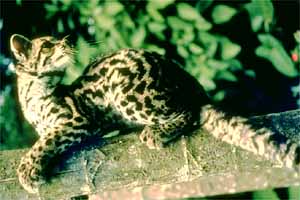
The park encompasses a variety of habitats including primary rainforest, secondary forest, mangrove swamps, sandy beaches and rocky shoreline. These interconnected environments support high species richness: large mammals, numerous bird species, amphibians, reptiles and an enormous diversity of invertebrates and plants. Because so many habitat types occur within a relatively compact area, Corcovado is frequently cited in popular and scientific literature for its ecological intensity; for example, National Geographic has highlighted its exceptional biodiversity.
History and protection
Corcovado was set aside as a national park in the 1970s amid rising concern for habitat loss in Costa Rica. The designation aimed to protect intact tracts of rainforest and coastline from development and unsustainable resource use. Management is carried out by national authorities with support from conservation organizations, local communities and researchers. The park remains an important focus of long‑term ecological study and conservation planning.
Wildlife and notable species
- Large mammals: Baird's tapir, white‑lipped peccary, spider and howler monkeys, and jaguar are among the park's notable mammals.
- Birds and reptiles: The park hosts scarlet macaws, toucans, and a variety of shore and forest birds, plus many snakes, frogs and lizards.
- Plants and invertebrates: An immense array of tropical plant species and insect life contribute to complex food webs and ecological processes.
Visitors, research and conservation challenges
Corcovado draws naturalists, ecologists and ecotourists. Access is regulated to limit environmental impact, and visitors typically travel with guides along established trails and to ranger stations. The park's conservation priorities include controlling illegal hunting, reducing edge effects from surrounding land use, and managing tourism to benefit local communities while protecting habitat. For practical visitor information and park rules see Corcovado National Park resources and local guides detailed at visitor information.
Because of its ecological importance, Corcovado continues to serve as a living laboratory for tropical ecology and a symbol of Costa Rica's broader efforts to conserve biodiversity in the face of development pressures.
Related articles
Author
AlegsaOnline.com Corcovado National Park (Costa Rica) Leandro Alegsa
URL: https://en.alegsaonline.com/art/23045