
Alessandro Manzoni: life, major works and influence
Italian novelist and poet (1785–1873), best known for I Promessi Sposi (The Betrothed). A leading figure in 19th‑century Italian literature whose language and themes helped shape the Risorgimento era.
Alessandro Manzoni (born in Milan 7 March 1785 – died in Milan 22 May 1873) was an Italian novelist, playwright and poet. He is best known for the historical novel I Promessi Sposi (The Betrothed), widely regarded as a masterpiece of Italian literature and a cultural touchstone during the movement for national unification known as the Risorgimento. Manzoni combined historical research, moral reflection and a program of linguistic reform that helped shape modern literary Italian. A well-known portrait of him was painted by Francesco Hayez; see the image and further resources: portrait.
Image gallery
7 Images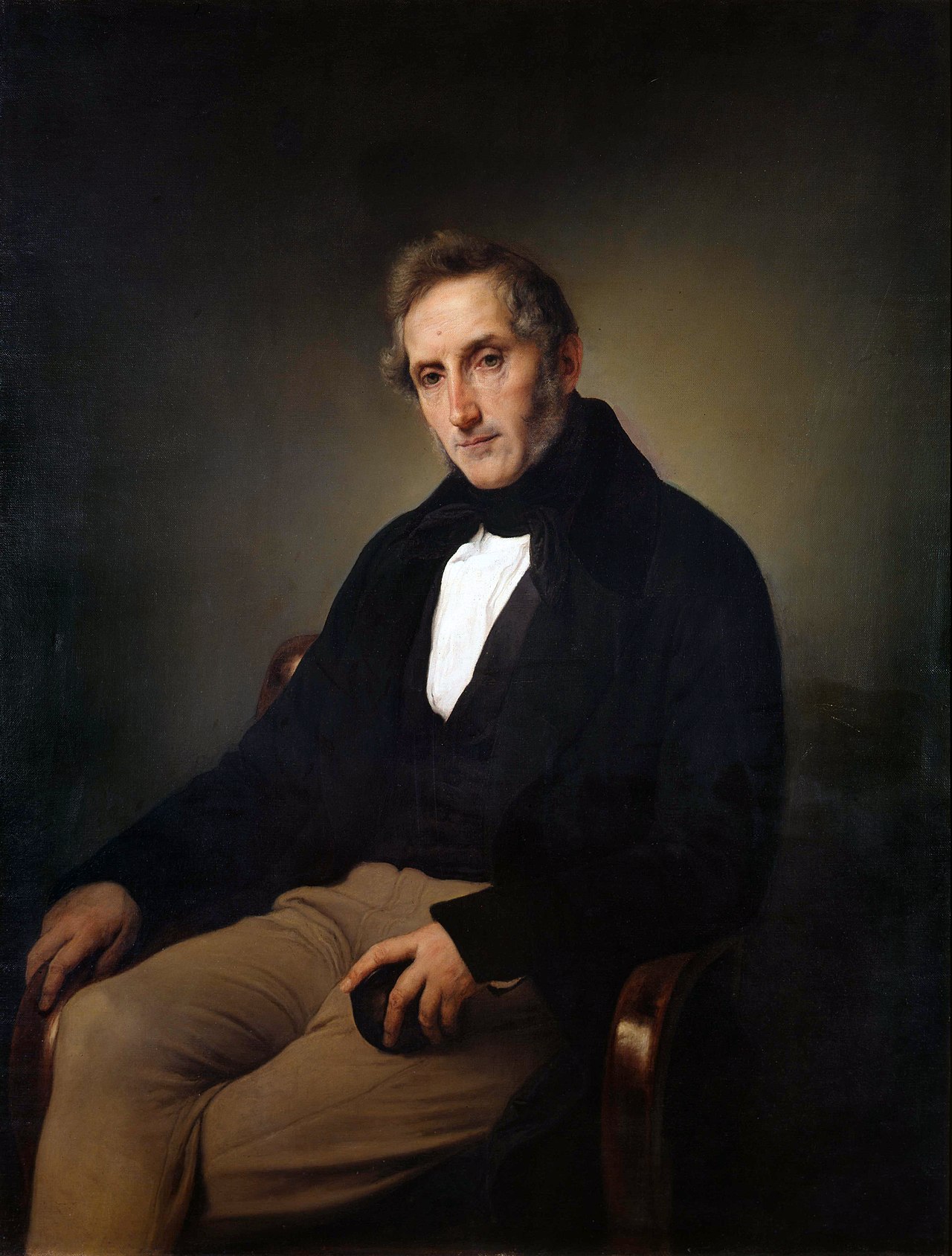




Life and background
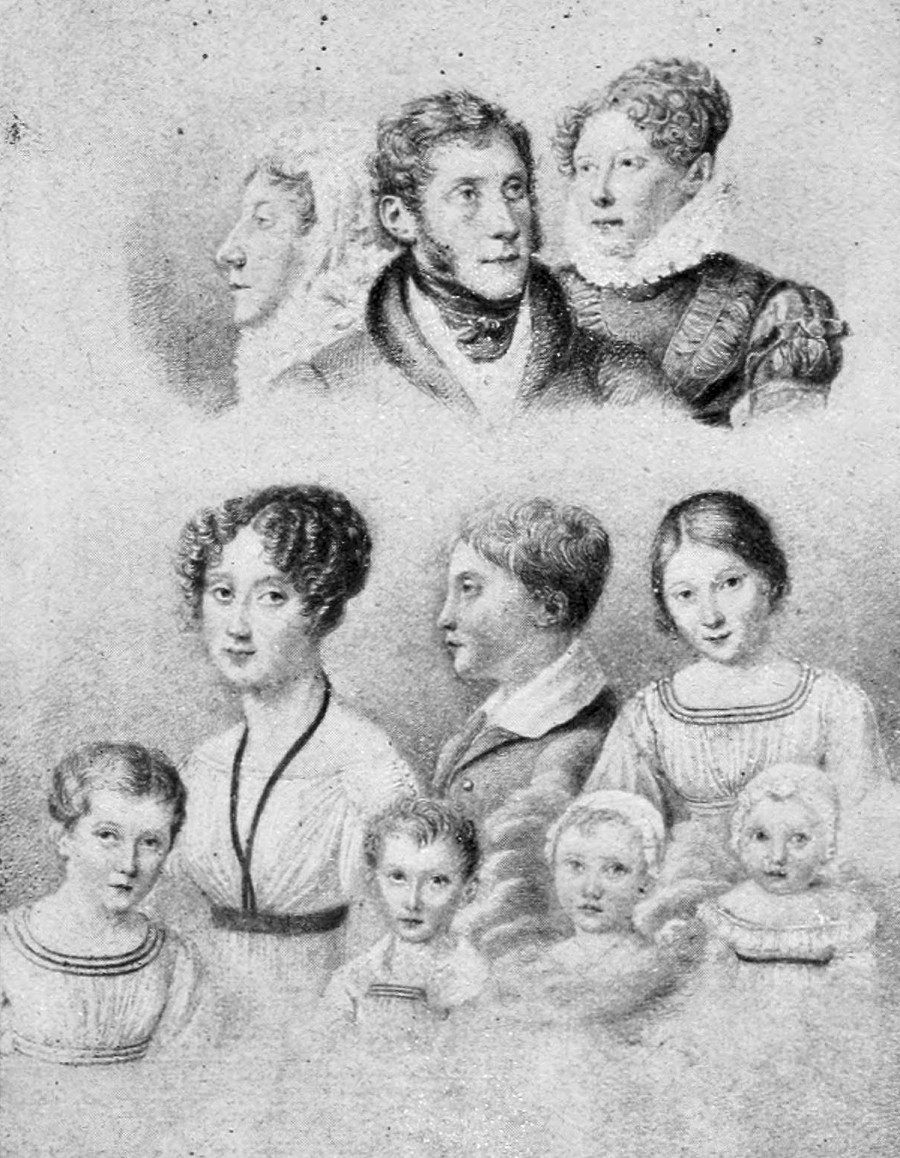
Manzoni came from a cultivated family in Lombardy and received an education that exposed him to Enlightenment and early Romantic ideas. He witnessed the upheavals of the Napoleonic period, the restoration of old regimes and the social tensions of the early 19th century, all of which influenced his historical outlook. In adulthood he underwent a period of religious reflection and embraced a mature Catholic faith, which became a central element of his later poetry and ethical concerns. His personal experience of family, law and local institutions fed into his work as an observer of society and justice.
Major works and genres
Manzoni wrote across several genres: narrative prose, drama, lyric and didactic poetry, and critical essays. His principal works include:
- I Promessi Sposi — a historical novel set in 17th‑century Lombardy that interweaves narrative action with documentary material, social observation and moral commentary; it was composed in the early 19th century and later revised into a definitive edition.
- Tragedies such as Il Conte di Carmagnola and Adelchi — plays that reflect Romantic interests in history and character.
- Inni sacri and other religious poems — works that express the seriousness of his faith and ethical reflection.
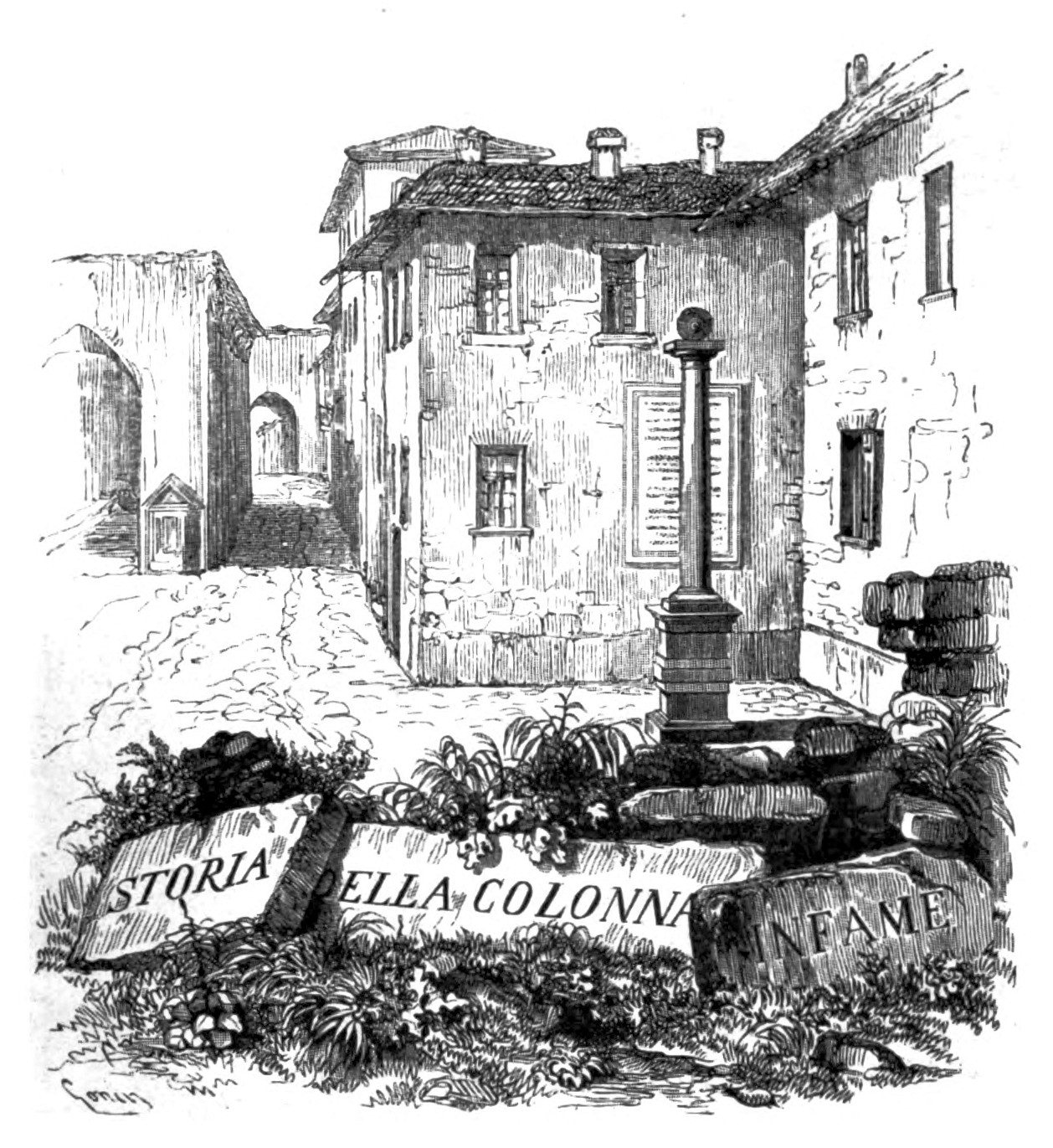
- Storia della colonna infame — an essay examining a notorious judicial case and the effects of rumor, prejudice and injustice on individuals and communities.
Style, language and themes
Manzoni pursued clarity, moral earnestness and fidelity to historical fact. He advocated for a literary Italian based on common Florentine usage and worked to refine his prose so it could serve as a model for readers and writers across Italy. Thematically his work treats providence, conscience, social responsibility and the capacity of ordinary people to endure and resist oppression. His narrative technique balances vivid scenes, documentary excerpts and authorial commentary.
Reception, adaptations and legacy
Manzoni has been celebrated as a founding figure of modern Italian letters. Beyond literary esteem, his language choices and nationalist tone resonated with the Risorgimento and those seeking cultural unity. I Promessi Sposi has been widely translated, adapted for theatre, opera, film and television, and remains a standard subject in Italian education. His influence is visible in subsequent novelists, in debates about language policy, and in public commemorations: portraits, monuments and the preservation of sites connected with his life continue to mark his cultural importance.
Further resources
For visual and contextual material consult the portrait by Hayez (see portrait). For local history and sites associated with the author explore materials tied to his native Milan, and for the broader historical background of his cultural role consult overviews of the Risorgimento. Scholarly editions of his works and annotated translations provide detailed notes on his sources, revisions and influence.
Related articles
Author
AlegsaOnline.com Alessandro Manzoni: life, major works and influence Leandro Alegsa
URL: https://en.alegsaonline.com/art/2300