
Alessandro Moreschi — last castrato and early recording artist
Alessandro Moreschi (1858–1922) was an Italian castrato singer and Sistine Chapel choir member, notable as the only castrato to make solo recordings and for his role in the final era of castrati in sacred music.
Alessandro Moreschi (11 November 1858 – 21 April 1922) was an Italian singer who belonged to the last generation of professional castrati. He served as a soprano in the papal choir and is best known today for having made the only surviving solo recordings attributed to a castrato, preserved from the early era of sound recording.
Image gallery
4 Images
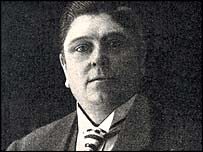
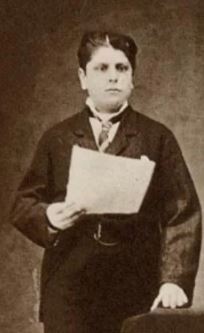

Career and musical role
Moreschi trained and worked within the musical institutions of the Papal States and later the Kingdom of Italy. He sang liturgical repertoire as part of the Sistine Chapel Choir and performed both sacred music and selected concert pieces. His voice occupied the soprano register, and his duties combined choral singing with occasional solo passages in the context of church services and formal concerts.
Recordings and historical significance
In the first years of commercial sound recording he made a small number of discs that captured his voice. These cylinders and discs have drawn sustained interest because they offer direct aural evidence of a vocal practice otherwise known largely through score and description. Listeners and scholars have debated how representative these recordings are of the castrato tradition as it existed centuries earlier, but they remain unique historical documents.
Context and controversies
The phenomenon of the castrato—male singers castrated before puberty to preserve an unusually high voice—was a distinctive feature of European vocal music from the 16th through the 18th century. By Moreschi's lifetime the practice had largely ceased and was legally and culturally condemned in many places. His position in the papal choir reflects the last institutional pockets where castrati still sang.
Legacy and distinctions
- Often described as the only castrato to leave solo recordings, making his voice uniquely audible to modern listeners.
- Associated with the final period of castrati in liturgical service and with changes in church music following Italian unification.
- Subject of ongoing scholarly interest for what his recordings reveal about technique, timbre, and historical performance practices.
For general background on the historical practice and social context of castrati see castrato (overview). For information about the surviving discs and their availability, consult sources on early sound recordings.
Related articles
Author
AlegsaOnline.com Alessandro Moreschi — last castrato and early recording artist Leandro Alegsa
URL: https://en.alegsaonline.com/art/2301