
Alessandro Volta: inventor of the voltaic pile and pioneer of electrical science
Italian physicist Alessandro Volta (1745–1827) developed the voltaic pile, clarified electrical potential and capacitance, and left a lasting legacy in electrochemistry and measurement (the volt).
Alessandro Giuseppe Antonio Anastasio Volta (18 February 1745 – 5 March 1827) was an Italian experimental scientist best known for inventing the first practical electric battery. Born near Como in Lombardy, in what is now Italy, he combined careful observation with simple apparatus to explore electrical phenomena. Trained and employed as a teacher and researcher, Volta became widely respected as a physicist in his lifetime and remains a central figure in the history of electricity.
Volta performed a series of investigations that shifted electricity from laboratory curiosities to useful, repeatable effects. In the 1770s he improved the electrophorus, a device that produced static charge, and later formulated the relationship between electric charge and potential that we now call capacitance, a proportionality sometimes referenced as Volta's law of capacitance. Around the end of the 18th century he engaged with experiments on so‑called "animal electricity," and his comparative studies of different metals led to what is known as the electrochemical series.
Image gallery
8 Images




Major contributions
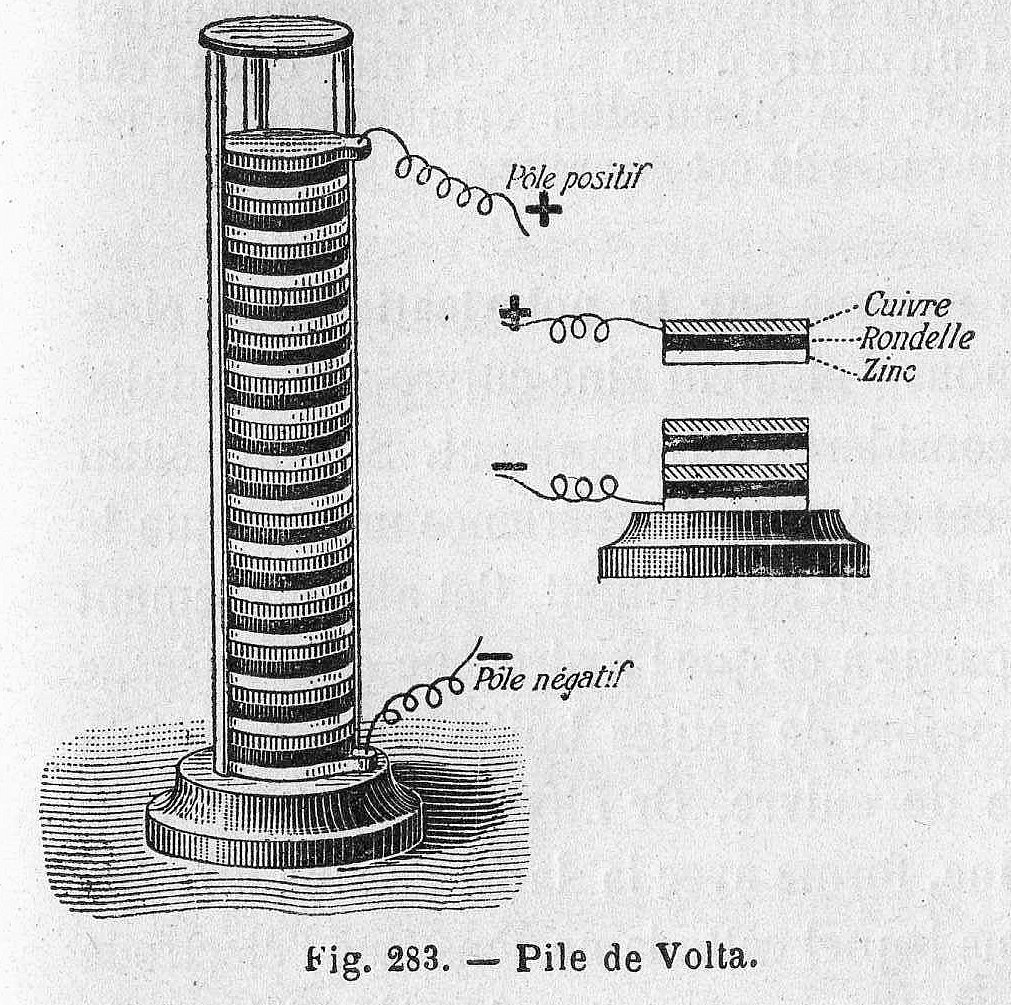
- Voltaic pile (1800) — Volta assembled alternating discs of metals and brine‑soaked material to make the voltaic pile, the first device to deliver a sustained electric current rather than transient sparks. This invention is widely regarded as the prototype of the modern electric battery.
- Electromotive force and steady current — By arranging cells and measuring effects, he showed how a continuous flow of charge could be produced and how an electromotive force drives that flow, producing a steady electric current.
- Quantitative electrical ideas — Volta separated the concepts of electrical potential and stored charge, contributing to the theoretical groundwork of electrostatics and devices for measuring potential.
Life and career
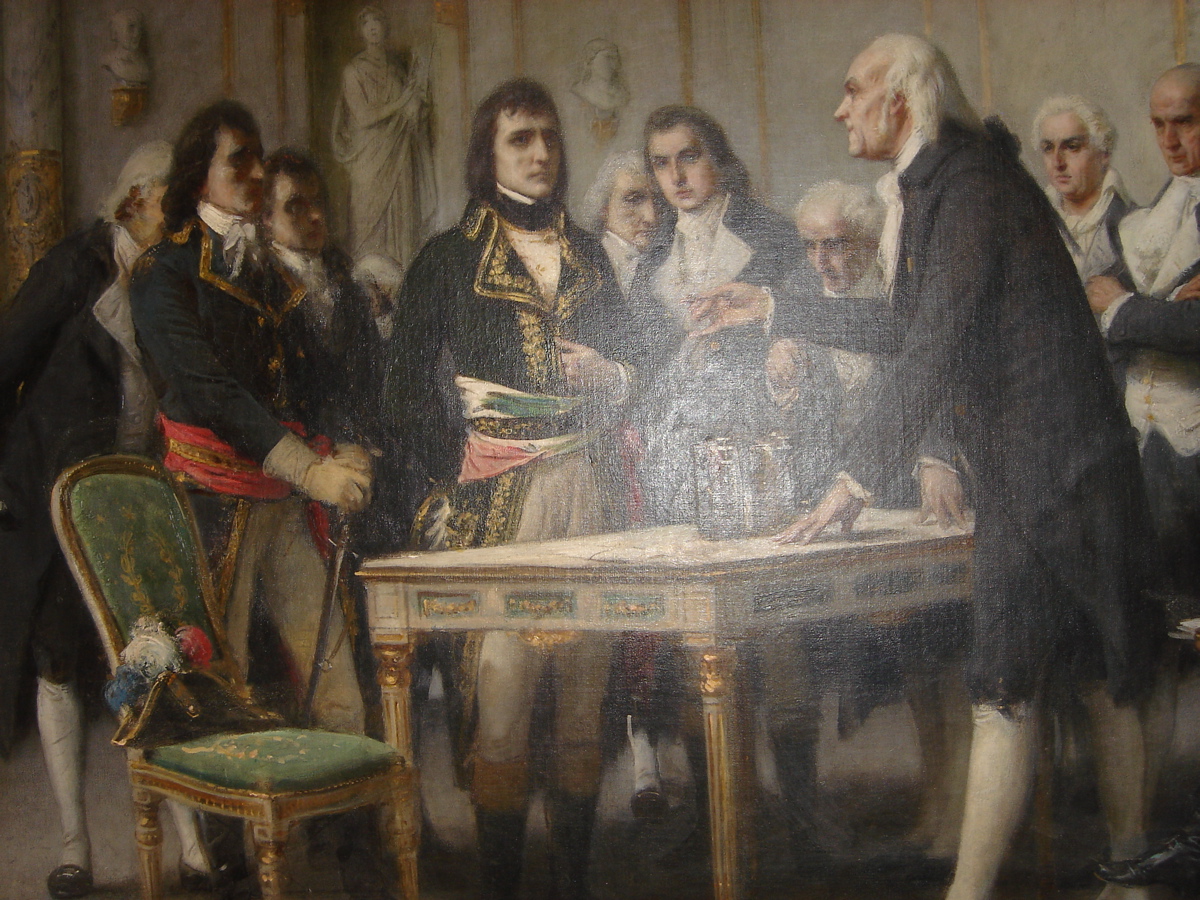
Volta held the chair of experimental physics at the University of Pavia from the late 1770s for roughly a quarter century, where he lectured, built apparatus, and trained students. He married Teresa Peregrini and raised a family while carrying out experiments that attracted international attention. In recognition of his achievements, he was created a count by Napoleon Bonaparte in 1810. Volta died in 1827 and was buried in his native city; a monument and museum, the Tempio Voltiano on Lake Como, commemorate his life and preserve instruments associated with his research.
Legacy and significance
Volta's work transformed experimental electrical science into an engineering‑oriented discipline and opened the way to electrochemistry and electrical technologies. The name "volt" was later adopted for the SI unit of electrical potential in recognition of his role; modern standards and histories often link that choice to his experimental demonstrations and published descriptions (volt, standardization). Objects and places have been named after him, from the lunar feature Volta crater to products that reference his name.
Volta's methods—careful design of experiments, clear separation of measurable quantities, and simple, reproducible apparatus—remain a model in physics. Museums, historical collections and educational sites keep his story alive, offering access to original equipment and clear explanations of why the voltaic pile mattered both scientifically and technologically. For those seeking further reading or archival materials, many institutional pages and specialist histories provide detailed treatments of his experiments and their long‑term impact (electrical cell history, regional context).
Questions and answers
Q: Who was Count Alessandro Giuseppe Antonio Anastasio Volta?
A: Count Alessandro Giuseppe Antonio Anastasio Volta was a Lombard physicist known especially for the development of the first electrical cell in 1800.
Q: Where and when was he born?
A: He was born in Como, Lombardy, Italy on 18 February 1745.
Q: What did Volta work on in 1775?
A: In 1775, Volta worked on the electrophorus that makes a static electric charge.
Q: What did he discover about electrical potential and charge?
A: He discovered that for a given object, electrical potential V and charge Q are proportional - this is now known as Volta's Law of Capacitance.
Q: What invention is credited to him?
A: He is credited with inventing the voltaic pile - an early electric battery which made a steady electric current - in 1800.
Q: How did Napoleon Bonaparte honor his work?
A: Napoleon Bonaparte made him a count in 1810 to honor his work in electricity.
Q: Where is he buried?
A: He is buried in the city of Como.
Related articles
Author
AlegsaOnline.com Alessandro Volta: inventor of the voltaic pile and pioneer of electrical science Leandro Alegsa
URL: https://en.alegsaonline.com/art/2304