
Alerheim, Bavaria
Alerheim is a rural municipality in the Donau‑Ries district of Bavaria, Germany, known for its agricultural landscape and proximity to the Nördlinger Ries geological depression.
Overview
The municipality of Alerheim lies in the district of Donau‑Ries within the state of Bavaria in Germany. It is a small, predominantly rural community. Local government is headed by the mayor, Christoph Achmid, who leads municipal administration and represents the village in regional affairs.
Image gallery
4 Images


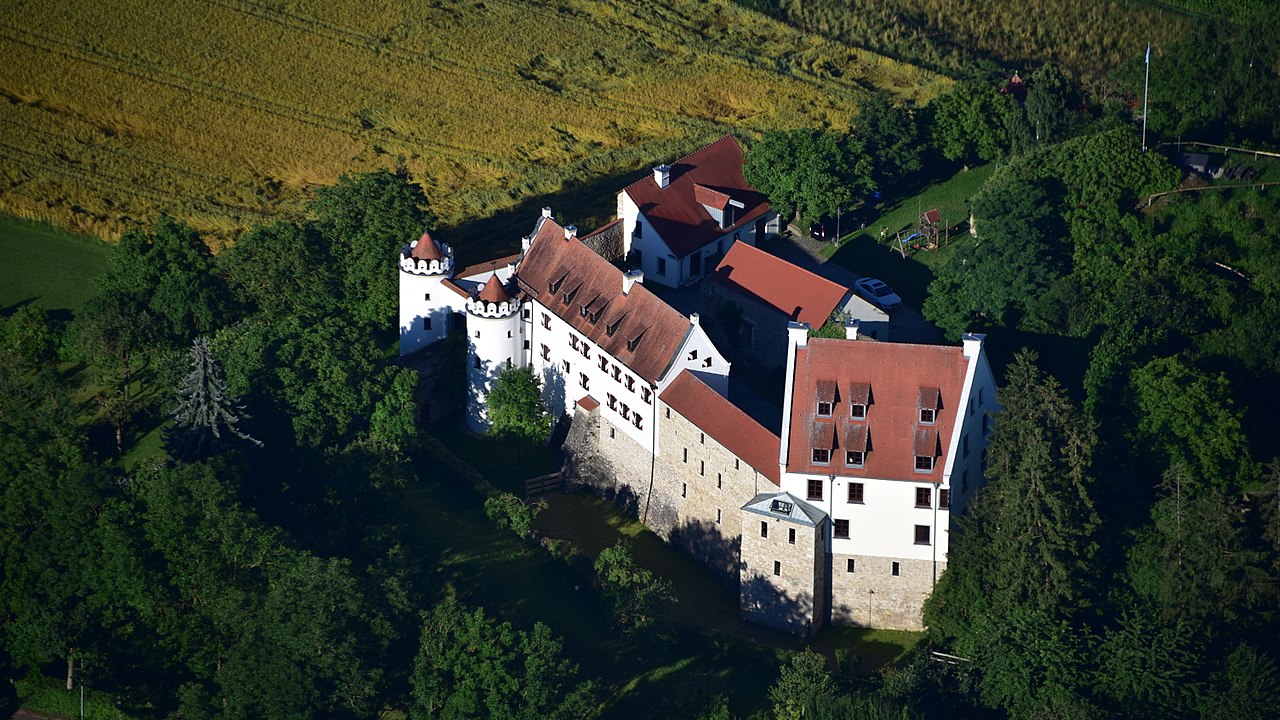
Geography and subdivisions
Alerheim occupies part of the gently rolling countryside that characterizes much of Donau‑Ries. The settlement consists of the main village and surrounding hamlets, farmland and patches of mixed forest. The municipality sits near the Nördlinger Ries, a well‑known large geological depression, and serves as a waypoint for local walking and cycling routes through the Ries landscape.
History
Like many communities in the region, Alerheim has roots that reach back into the medieval period, with historical development tied to agriculture, parish life and local estates. Over centuries the village experienced the same administrative reorganizations and economic shifts that shaped rural Bavaria, moving from feudal structures into modern municipal governance.
Economy and community life
The local economy is dominated by agriculture and small enterprises. Livestock and arable farming remain important, accompanied by craft businesses and services that support daily life. Community life centers on the parish church, volunteer associations, seasonal festivals and traditions typical of Bavarian villages.
Governance and services
Alerheim is administered by a mayor and a municipal council that oversee planning, local roads and basic services. Residents commonly rely on nearby towns for secondary schools, larger shops and medical specialists; regional road and bus connections link the village with centers such as Nördlingen and Donauwörth.
Visiting and notable facts
- Rural character makes Alerheim a base for exploring the Ries countryside and its geological features.
- Traditional Bavarian architecture and small local festivals reflect the area's cultural heritage.
- Services and further information can often be found through municipal contacts or regional tourism offices.
Related articles
Author
AlegsaOnline.com Alerheim, Bavaria Leandro Alegsa
URL: https://en.alegsaonline.com/art/2290
Sources
- destatis.de : "Alle politisch selbständigen Gemeinden mit ausgewählten Merkmalen am 31.12.2018 (4. Quartal)" · web.archive.org
- statistikdaten.bayern.de : "Fortschreibung des Bevölkerungsstandes"