
Aleksey Alekseyevich Brusilov: Russian General and Architect of the 1916 Offensive
Russian Imperial Army general (1853–1926) best known for leading the 1916 Brusilov Offensive and for tactical innovations that reshaped assault methods during World War I.
Overview
Aleksey Alekseyevich Brusilov (1853–1926) was a senior officer of the Imperial Russian Army who rose to prominence during World War I. He is most widely remembered for directing a major 1916 operation—later called the Brusilov Offensive—that achieved important breakthroughs on the Eastern Front and compelled the Central Powers to divert forces. For his wartime role and professional standing he is frequently studied in military history and biography literature; see a general biographical profile or his military record for further reference.
Image gallery
10 Images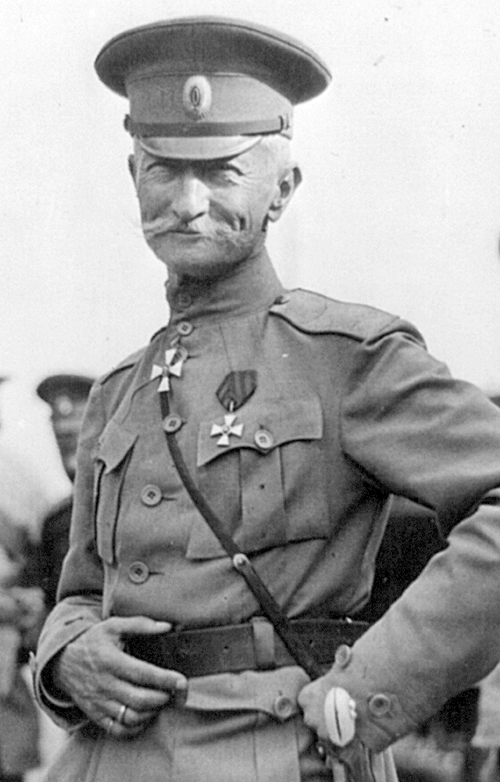




Tactics and innovations
Brusilov earned a reputation as an innovative commander because of the methods he used to prepare and launch attacks. Rather than relying solely on long, predictable artillery barrages, his approach emphasized surprise, short but intense bombardments, and closely coordinated infantry advances. He encouraged small-unit infiltration and local objectives to exploit weak points in enemy defenses, techniques that anticipated later developments in assault tactics. Military analysts often cite his operational ideas when discussing early evolution of modern offensive doctrine; for an overview of these methods consult sources on assault tactics and military history.
The Brusilov Offensive (1916)
Launched in June 1916, the operation under Brusilov's direction initially achieved marked gains against Austro-Hungarian positions, forcing heavy enemy withdrawals and capturing territory across a broad front. Its success was due to surprise, careful reconnaissance, and coordinated use of artillery and infantry rather than a single concentrated thrust. The offensive had strategic effects beyond its immediate results: it forced Germany to send reinforcements to the Eastern Front and relieved pressure on Russia's allies in other sectors of the war. For broader context see a World War I overview.
Legacy and assessment
Historians consider Brusilov's 1916 campaign one of the most effective Russian operations of the war and note that his tactical thinking influenced later commanders. At the same time, the offensive exacted a high human cost and could not be turned into a decisive, war-ending victory because of logistical limitations and political upheaval in Russia. Brusilov's career was shaped by the larger events of 1917–1920, and his reputation remains tied to both his battlefield successes and the constraints facing Russia in the late war period.
Notable facts
- Brusilov combined surprise and short artillery preparation to undermine enemy defenses.
- His 1916 operation compelled the Central Powers to redeploy forces and altered wider strategic plans.
- Scholars continue to study his methods when examining early twentieth-century offensive doctrine.
For additional reading and sources on Brusilov's life and campaigns consult linked materials and specialized studies in military history and biographies.
Related articles
Author
AlegsaOnline.com Aleksey Alekseyevich Brusilov: Russian General and Architect of the 1916 Offensive Leandro Alegsa
URL: https://en.alegsaonline.com/art/2272