
Aleksey Ivanovich Lebed — Russian military officer and regional politician
A concise overview of Aleksey Ivanovich Lebed (1955–2019), his military background, tenure as Head of the Republic of Khakassia (1997–2009), party affiliation, and legacy.
Aleksey Ivanovich Lebed (14 April 1955 – 27 April 2019) was a Russian military officer and regional politician who led the Republic of Khakassia for twelve years. His name in Russian is sometimes shown as Алексей Иванович Лебедь. Born in Novocherkassk, he combined a career in the armed forces with public service at the regional level and was affiliated with the political party United Russia.
Image gallery
1 Image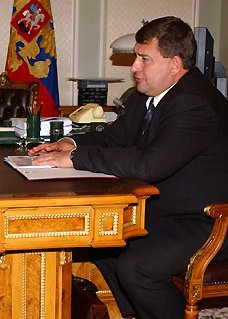
Early life and military background
Lebed was born in the southern Russian city of Novocherkassk. He served as a career military officer during the late Soviet and early post‑Soviet periods, a background that shaped his public image and leadership style. His military experience provided administrative and organizational skills that he later applied in civilian government.
Political career and regional leadership
In 1997 Lebed became the head of the Republic of Khakassia, a federal subject in south-central Siberia. He held that office through the late 1990s and 2000s, leaving the post in 2009. During his tenure he oversaw the regional administration, worked with federal authorities, and represented Khakassia in intergovernmental settings. His role has been described as part of the broader pattern of former military figures moving into regional politics in Russia.
Roles and public profile
- Military service and transition to civilian leadership as a regional head.
- Membership in the ruling party, noted by his association with United Russia.
- Participation in regional governance and interaction with federal institutions on behalf of Khakassia (Republic of Khakassia).
Later years, death and legacy
After leaving the republic's leadership in 2009, Lebed remained a recognizable regional figure. He died in Moscow on 27 April 2019 from internal bleeding; reports place his death in the Russian capital (Moscow) and note he was 64 at the time. Observers have noted his place among a cohort of military professionals who entered politics in post‑Soviet Russia and the practical, security‑minded approach they often brought to regional administration.
For further biographical entries and records of his public service see resources on his military and political work, including brief references to his military officer background and regional leadership history.
Related articles
Author
AlegsaOnline.com Aleksey Ivanovich Lebed — Russian military officer and regional politician Leandro Alegsa
URL: https://en.alegsaonline.com/art/2275
Sources
- commons.wikimedia.org : Alexey Lebed
- tass.ru : "Умер экс-глава Хакасии Алексей Лебедь"