
Household Consumption: Types, Determinants, and Macroeconomic Role
Overview of household consumption: types (durable, nondurable, services), income and credit determinants, measurement methods, and its macroeconomic role in aggregate demand and policy.
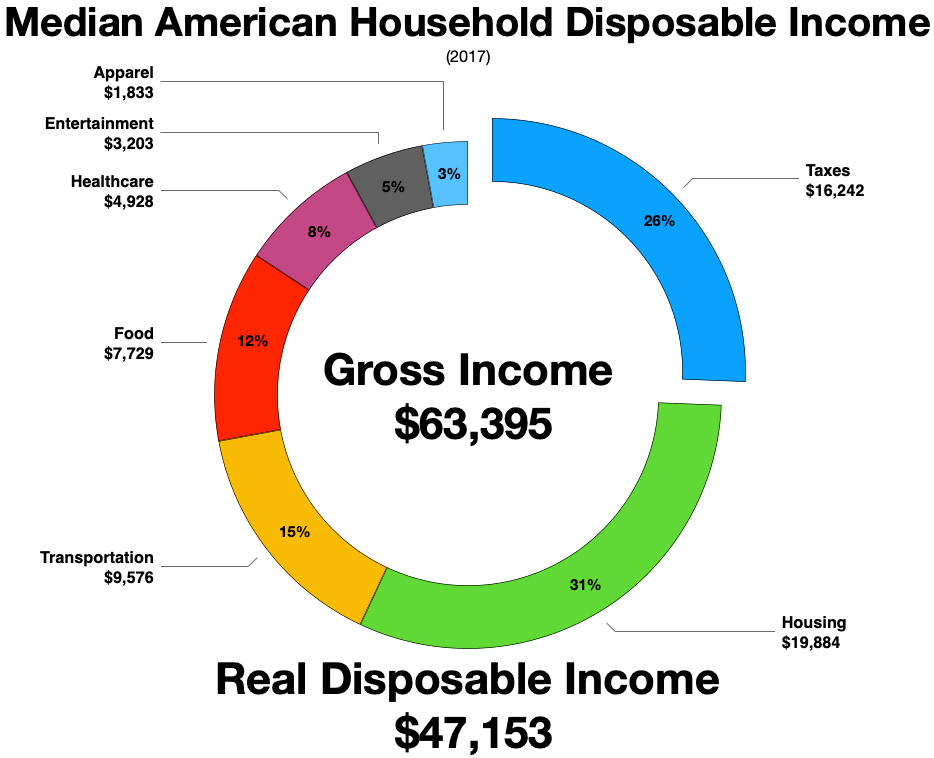
Consumer spending — also called consumption or consumption expenditure — refers to household purchases of goods and services for personal use. In most modern economies it represents the largest single component of aggregate demand, and therefore plays a central role in macroeconomics analysis and policy decisions.
Image gallery
3 Images

Core idea
At its simplest, consumer spending is the flow of money from households to businesses in exchange for products and services. Economists often separate this spending into different categories to understand patterns and to forecast short‑term changes in total demand.
Common breakdowns
- By behaviour: spending is divided into induced consumption — which rises or falls with changes in household income — and autonomous consumption, which occurs regardless of current income levels (for example, necessary expenditures financed from savings or credit).
- By type of good: expenditures on durable goods (long‑lasting items), nondurable goods (food, fuel, clothing) and services (healthcare, education, entertainment).
What influences consumer spending?
Several factors determine the level and composition of consumption. Income is a primary driver, with changes in wages, employment and transfer payments affecting the capacity to spend. Other important influences include:
- Wealth and asset prices: rising home or stock values can boost spending through perceived wealth effects.
- Credit availability and interest rates: easier borrowing and lower interest rates tend to raise consumption, especially of big-ticket items.
- Expectations and confidence: households’ views about future income, inflation and job security shape their willingness to spend.
- Taxes and government transfers: fiscal policy alters disposable income and can directly affect consumption.
Why it matters
Because consumer spending accounts for a large share of total demand, fluctuations in consumption can amplify business cycles. Policymakers monitor consumption closely to assess economic health and to design fiscal and monetary responses. Analysts also use measures such as the marginal propensity to consume to estimate how changes in income translate into additional spending.
Measurement
National statistical agencies compile consumption data from surveys, retail sales, and national accounts. These statistics feed into indicators like personal consumption expenditures and are used in forecasting models and in the calculation of gross domestic product.
Related articles
Author
AlegsaOnline.com Household Consumption: Types, Determinants, and Macroeconomic Role Leandro Alegsa
URL: https://en.alegsaonline.com/art/22716
Sources
- bea.gov : bea.gov