
Credit Default Swap: Definition, Mechanics, Uses and Risks
A credit default swap (CDS) is a financial contract transferring the credit risk of a borrower from one party to another. This article explains how CDSs work, their uses, and the main risks and distinctions.
Overview
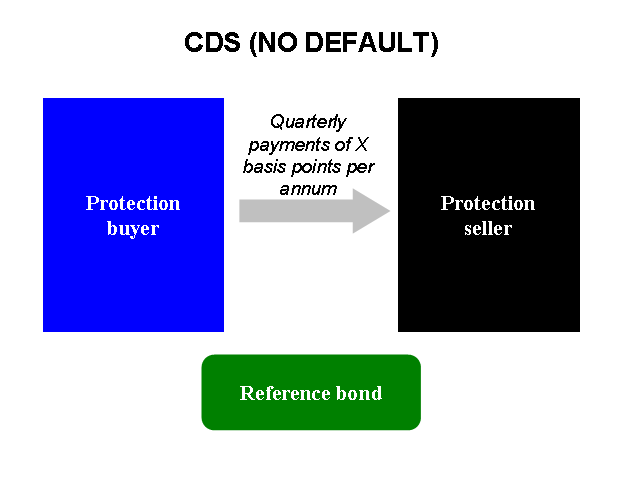
A credit default swap (CDS) is a contractual agreement in which one party (the protection buyer) pays periodic fees to another party (the protection seller) in exchange for compensation if a specified borrower or obligation experiences a credit event, such as failing to make scheduled payments. The underlying obligation or entity referenced in the contract is commonly called the reference entity. CDS contracts are traded over the counter and can be written on corporate bonds, sovereign debt, structured products or other credit instruments.
Image gallery
5 Images

How a CDS works
A typical CDS specifies a notional amount, the reference obligation, the contract term, and the premium (known as the spread). If no credit event occurs, the protection seller receives the periodic premiums and no payment is made at maturity. If a credit event occurs, the contract is settled either by physical delivery of the defaulted obligation or by cash settlement, in which case the parties exchange the difference between par and the market recovery value. The International Swaps and Derivatives Association (ISDA) standardizes many contract terms and defines qualifying credit events and settlement protocols.
Key features and parties
- Protection buyer: pays premiums to transfer credit exposure.
- Protection seller: receives premiums and compensates if a credit event occurs.
- Reference entity: the borrower or obligation whose default triggers the contract.
- Notional amount: the face value used to calculate payments.
Uses and market roles
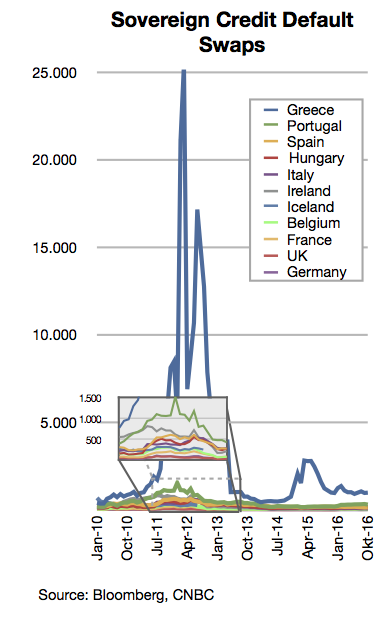
CDSs are used for hedging, speculation, and relative-value trading. A creditor can buy protection to hedge exposure to a borrower; investors can buy CDS protection without owning the underlying bond to speculate on credit deterioration—an arrangement sometimes called a "naked" CDS. Traders also use CDS spreads as indicators of perceived credit risk because spreads tend to widen when market participants view a borrower as more likely to default. See general discussion of insurance distinctions at insurance vs CDS.
Risks, settlement and regulation
CDSs concentrate counterparty credit risk: if a protection seller becomes insolvent during a crisis, buyers may not recover expected payouts. During the 2007–2009 financial crisis concerns about interconnected CDS exposures and opacity led to reforms in many jurisdictions, including greater reporting, standardized contracts, and the introduction of central clearing for many CDS trades. Nevertheless, CDS markets still carry legal, operational, and liquidity risks. For further commentary on market behavior and speculative use, see discussion of speculation.
Notable distinctions and facts
Although commonly described as a form of insurance, CDSs differ from conventional insurance in that they often do not require the buyer to own the underlying asset and are not always subject to the same regulatory regime as insurance products. Their price (the spread) reflects the market's view of creditworthiness and can move rapidly. Standardization efforts and centralized platforms have reduced some systemic risks, but CDSs remain complex instruments that require careful assessment of contract terms and counterparty strength.
Questions and answers
Q: What is a credit default swap (CDS)?
A: A credit default swap is a type of investment where someone gets paid if a company defaults on its bonds.
Q: How is a credit default swap different from insurance?
A: A credit default swap is different because you can buy it for bonds you don't own, and there are not as many rules for CDS sellers.
Q: Who makes rules for insurance?
A: The government makes rules (called regulations) for insurance.
Q: Why do insurance companies have to have enough money in case lots of people need to collect insurance at the same time?
A: Insurance companies have to have enough money in case lots of people need to collect insurance at the same time to ensure they can pay out the claims.
Q: Why don't many rules exist for CDS sellers?
A: There aren't many rules for CDS sellers because it is a relatively new investment and the government has not yet created regulations for it.
Q: Can people speculate on companies using credit default swaps?
A: Yes, people can speculate on companies by buying credit default swaps for companies they think will get into trouble.
Q: How does a credit default swap act like insurance on bonds?
A: A credit default swap acts like insurance on bonds by providing protection against the risk of the company defaulting on its bonds.
Related articles
Author
AlegsaOnline.com Credit Default Swap: Definition, Mechanics, Uses and Risks Leandro Alegsa
URL: https://en.alegsaonline.com/art/24064