
Coniston Water
Coniston Water is a long, narrow lake in the English Lake District, known for glacial origin, boating, John Ruskin’s home, and Donald Campbell’s water-speed attempts.
Overview
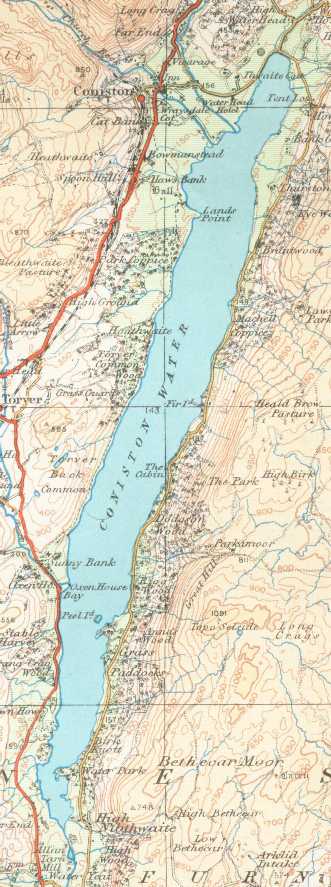
Coniston Water (commonly called Coniston) is a freshwater lake in Cumbria, within the English Lake District. It is the third-largest body of water in the national park, about 8.0 kilometres (5 miles) long and roughly 0.80 kilometres (0.5 miles) wide. The lake lies at an elevation of about 143 feet (44 m) above sea level and drains westwards via the River Crake toward the coast.
Image gallery
10 Images




Characteristics and origin
Coniston is a classic ribbon lake carved by glacial action during the last Ice Age. Its elongated shape, steep-sided shores and relatively deep basin are typical of glacially formed lakes. The long, narrow profile gives good sheltered water for boating while surrounding fells, including the Old Man of Coniston, rise steeply from the shoreline.
History and notable associations
The lake has cultural and technological associations. The writer and art critic John Ruskin lived at Brantwood on the lake’s eastern shore; his house and gardens are preserved and open to visitors. In the 20th century Coniston became famous as the site of water-speed record attempts by Donald Campbell. His high-speed craft, Bluebird K7, operated on the lake; Campbell died during a record attempt in 1967.
Recreation and uses
Coniston is popular for a range of outdoor activities. Visitors often use the lake and its surroundings for:
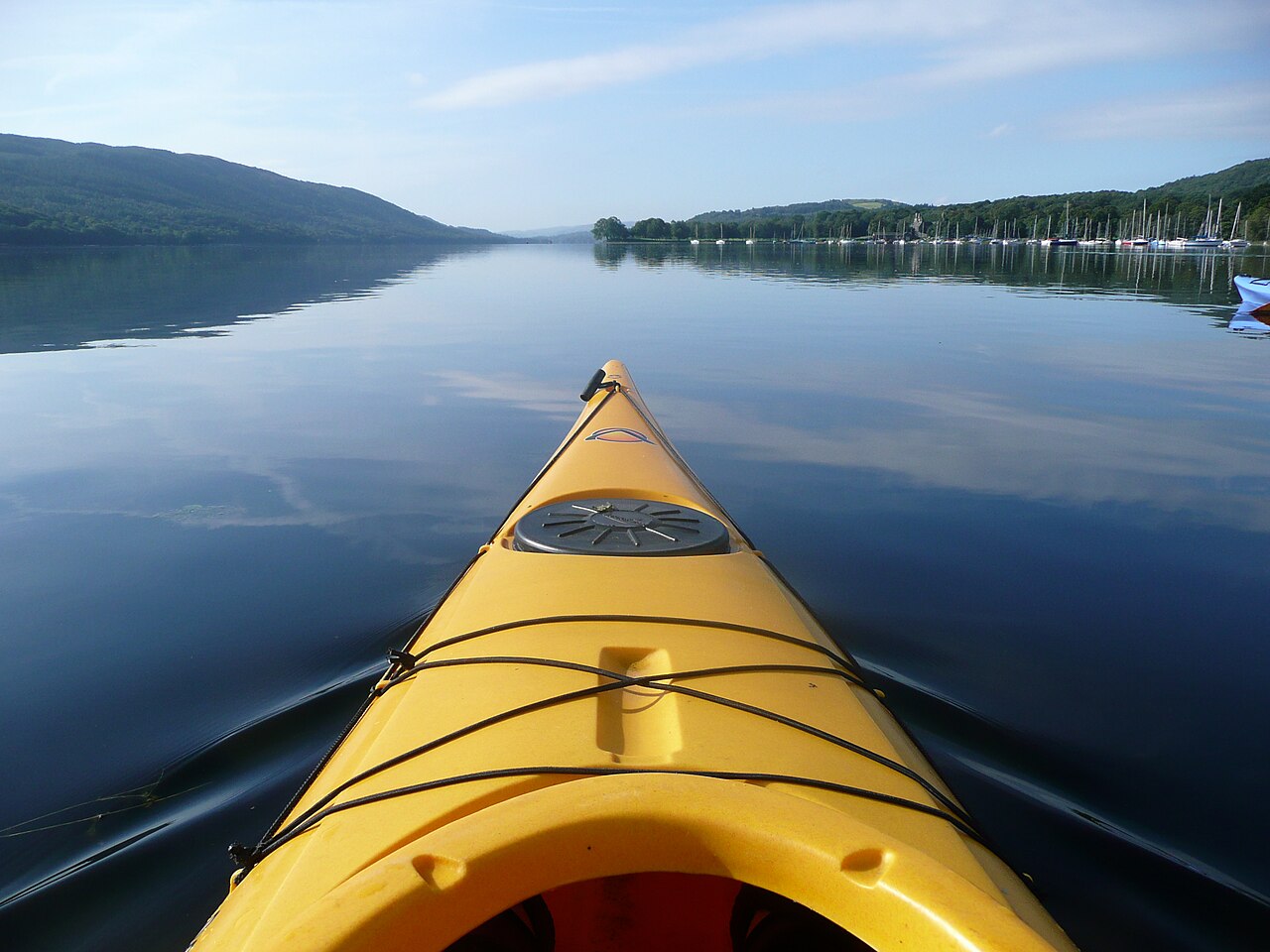
- rowing, sailing and kayaking on open water;
- scenic launches and historic vessels (for example the restored steam launch Gondola which serves the lake);
- fishing, walking and fellwalking routes that access the adjacent hills;
- photography, birdwatching and relaxed sightseeing from nearby villages such as Coniston.
Wildlife, conservation and access
The lake and its catchment lie within the Lake District National Park and are managed with attention to landscape and ecological value. Riparian habitats, upland heath and woodland support local birdlife and aquatic species. Public access routes, car parks and boating facilities make Coniston one of the more accessible upland lakes, while rules and seasonal guidance help protect wildlife and water quality.
Practical note
Visitors can reach Coniston from nearby towns and by regional roads and bus services; local information and preserved sites (for example Brantwood) offer historical context. For maps, opening times and detailed visitor guidance see local resources and official park information at lake information pages.
Related articles
Author
AlegsaOnline.com Coniston Water Leandro Alegsa
URL: https://en.alegsaonline.com/art/22531
Sources
- commons.wikimedia.org : Coniston Water
- waterscape.com : "Waterscape - Coniston Water"
- news.bbc.co.uk : "Vigil for Lady in the Lake killer"