
Computus: calculation of the date of Easter
Computus is the traditional method for determining the date of Easter. It combines solar and lunar cycles, historical decisions, calendar reforms and algorithms that produce the movable date used in Christian liturgy.
Overview
Computus (from Latin for "computation") is the system used to determine the date of Easter, the principal movable feast in the Christian year. Rather than relying simply on astronomical observation, computus uses fixed rules that combine approximations of the solar year and lunar month so that the celebration follows a pattern acceptable to church authorities.
Image gallery
6 Images




Core rules and components
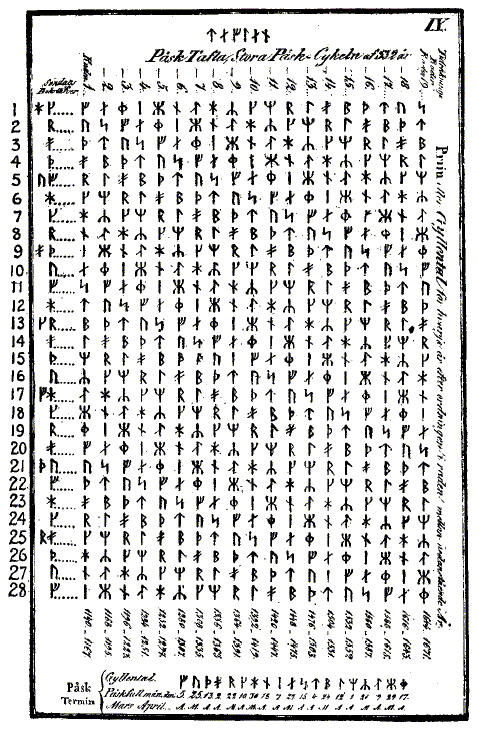
The basic ecclesiastical rule is that Easter falls on the first Sunday after the Paschal full moon that occurs on or after the vernal equinox, which the churches traditionally fix as March 21. Key technical elements used in computus include:
- the Metonic or 19‑year cycle and the Golden Number that locate lunar phases;
- the epact, an adjustment indicating the age of the moon on a given date;
- dominical letters or weekday tables to find Sundays in a year;
- calendar corrections distinguishing Julian and Gregorian systems.
History and development
Confusion over the proper date of Easter prompted debate in the early fourth century, culminating in the Council of Nicaea (325), which sought a common method. Subsequent centuries produced tables and treatises: scholars and clerics like Dionysius Exiguus and the Venerable Bede refined methods, while the Gregorian reform (1582) altered calculations to better match the solar year.
Variations and notable distinctions
Not all Christian communities use the same computus. Western churches follow rules tied to the Gregorian calendar; many Eastern Orthodox churches still use the Julian calendar for liturgical dates, so their Easter often falls on a different Sunday. The date of Easter therefore can range from March 22 to April 25 in the Western tradition.
Practical importance and modern use
Computus affects the whole liturgical year because many other feasts are defined relative to Easter. In modern times, mathematicians and programmers have converted ecclesiastical rules into explicit algorithms—familiar examples include Gauss's and later algorithmic formulas—so calendars, software and almanacs can calculate Easter automatically.
Context and cultural notes
Debates about aligning Easter with the Jewish Passover or fixing it to a universal date have reappeared periodically. The method remains a mixture of ancient astronomical insight, ecclesiastical decision, and calendar reform. It thus illustrates how religious practice, science and civil chronology intersect around a single movable feast tied to the Resurrection.
Further technical descriptions, historical sources, and algorithmic implementations are available in specialized works and online resources; see general references for computus and calendar history for more detail. For computational implementations and tables consult resources linked from authoritative calendar discussions and programming documentation.
Related articles
Author
AlegsaOnline.com Computus: calculation of the date of Easter Leandro Alegsa
URL: https://en.alegsaonline.com/art/22341
Sources
- books.google.com : The Easter Computus and the Origins of the Christian Era