
Community of Madrid (Comunidad de Madrid)
The Community of Madrid is Spain's central autonomous region, with Madrid as its capital. It combines a major European capital city, mountainous parks, a service-driven economy, and important cultural institutions.
Overview
The Community of Madrid (Spanish: Comunidad de Madrid) is one of Spain's autonomous communities and occupies a central position on the Iberian Peninsula. It surrounds and contains the national capital; the region is organized as an autonomous entity under Spain's territorial system of autonomous communities. Its capital and largest city is Madrid, which acts as the political, cultural and economic hub of both the region and the country.
Image gallery
10 Images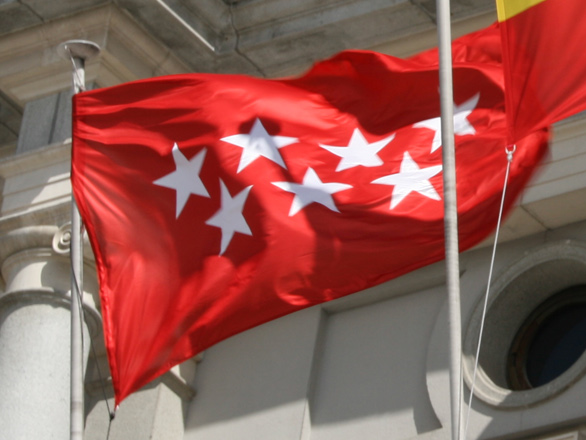





Geography and climate
The territory blends urban and natural landscapes. The plain around the capital gives way to the Sierra de Guadarrama to the north, with higher elevations and cooler weather. The region has a continental Mediterranean climate: hot, dry summers in lowlands and colder, sometimes snowy conditions in the mountains. Rivers and reservoirs supply the metropolitan area and surrounding agriculture.
Government and subdivisions
The Community of Madrid is a single-province autonomous community with its own regional institutions: an executive government and a legislative assembly. Administratively it is divided into municipalities and informal planning districts that coordinate local services, environmental management and infrastructure around the metropolitan core.
Economy, society and culture
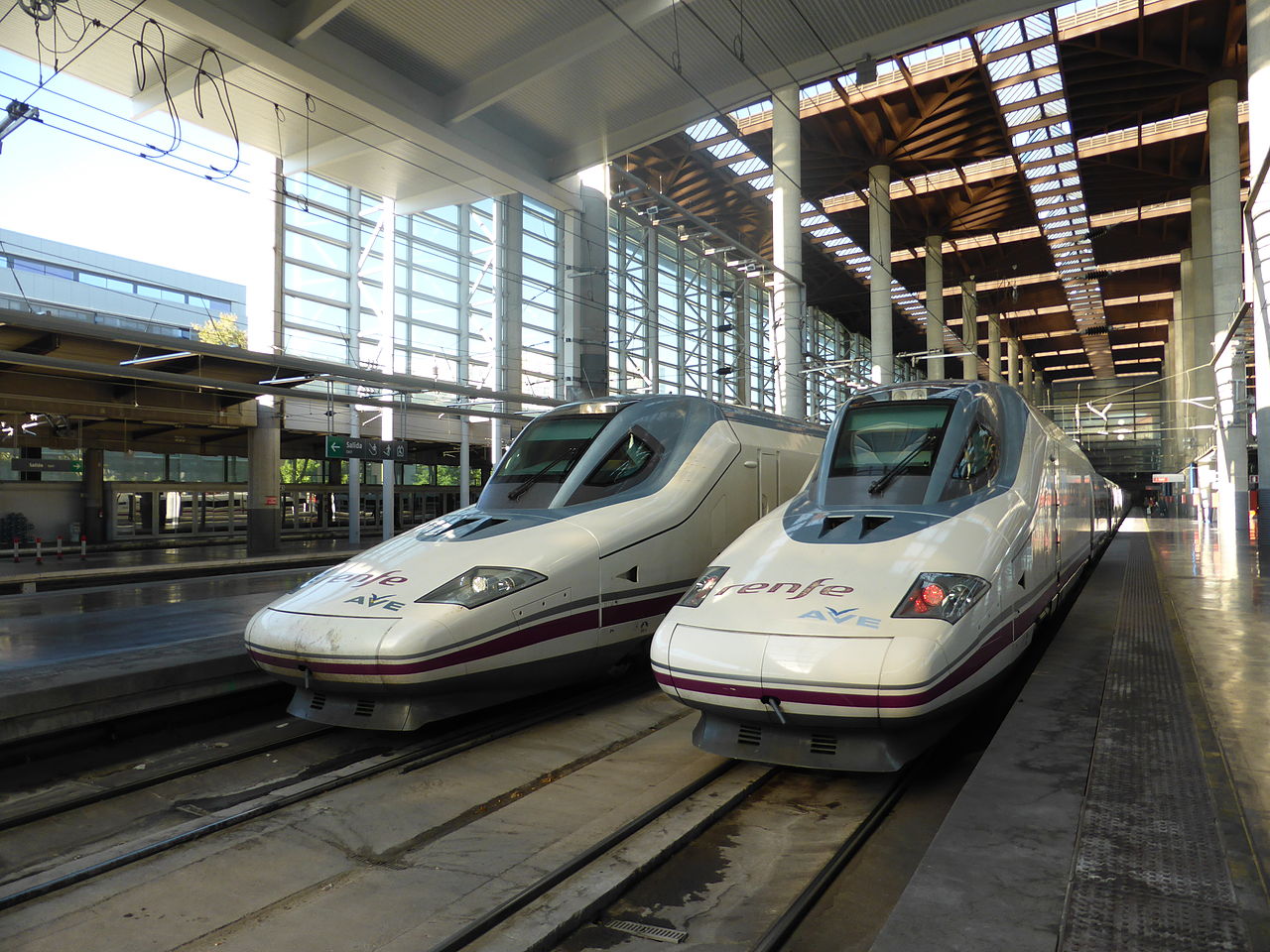
Its economy is dominated by services, finance, public administration, tourism and cultural industries centered in the capital city. The region hosts major museums, theaters and universities, while surrounding areas support agriculture, light industry and recreation. Madrid city is a national transport hub with extensive rail, road and air connections.
History and development
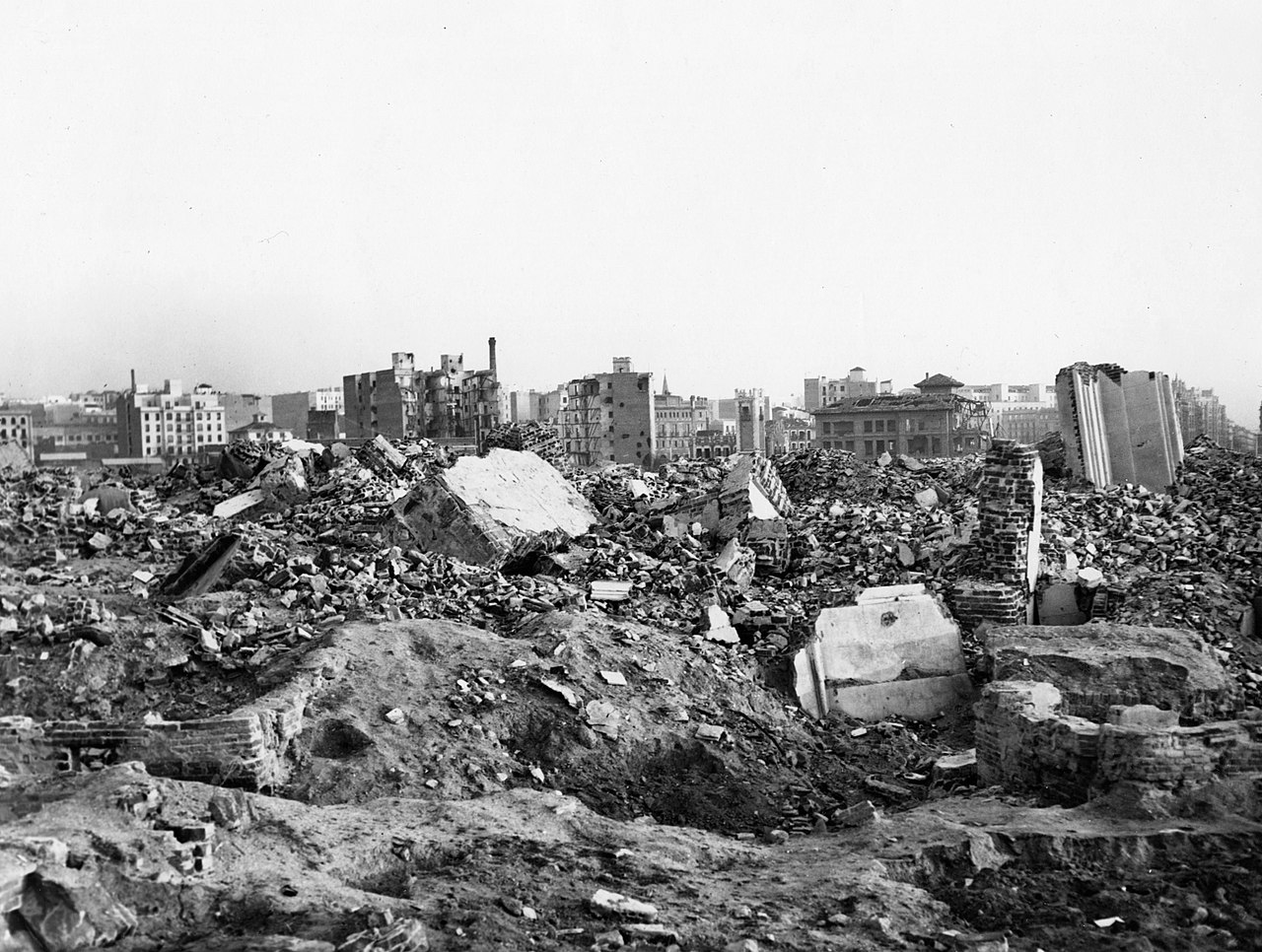
The modern autonomous status was established in the post-Franco reorganization of Spain’s territorial system, formalized by a regional statute in the early 1980s. Historically the area grew around the medieval and early modern court and later the national capital, shaping its role as a political and economic center.
Notable facts
- Protected natural areas: mountain ranges and parks conserve local biodiversity and offer outdoor recreation.
- High population density: the region is one of the more densely settled parts of Spain due to the capital’s metropolitan influence.
- Cultural importance: national institutions, festivals and museums make it a major destination for visitors and residents alike.
Related articles
Author
AlegsaOnline.com Community of Madrid (Comunidad de Madrid) Leandro Alegsa
URL: https://en.alegsaonline.com/art/22181