
Communes of the Aude department
Overview of the 438 communes in France's Aude department: administrative role, geography, history, notable towns and intercommunal organization.
Overview
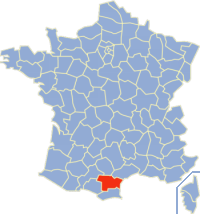
The Aude department in southern France is divided into 438 communes, the smallest administrative units in the French system. Communes range from small rural villages to larger urban centers and together form the basic building blocks of local government. For an itemized inventory, see the complete list of communes.
Image gallery
2 Images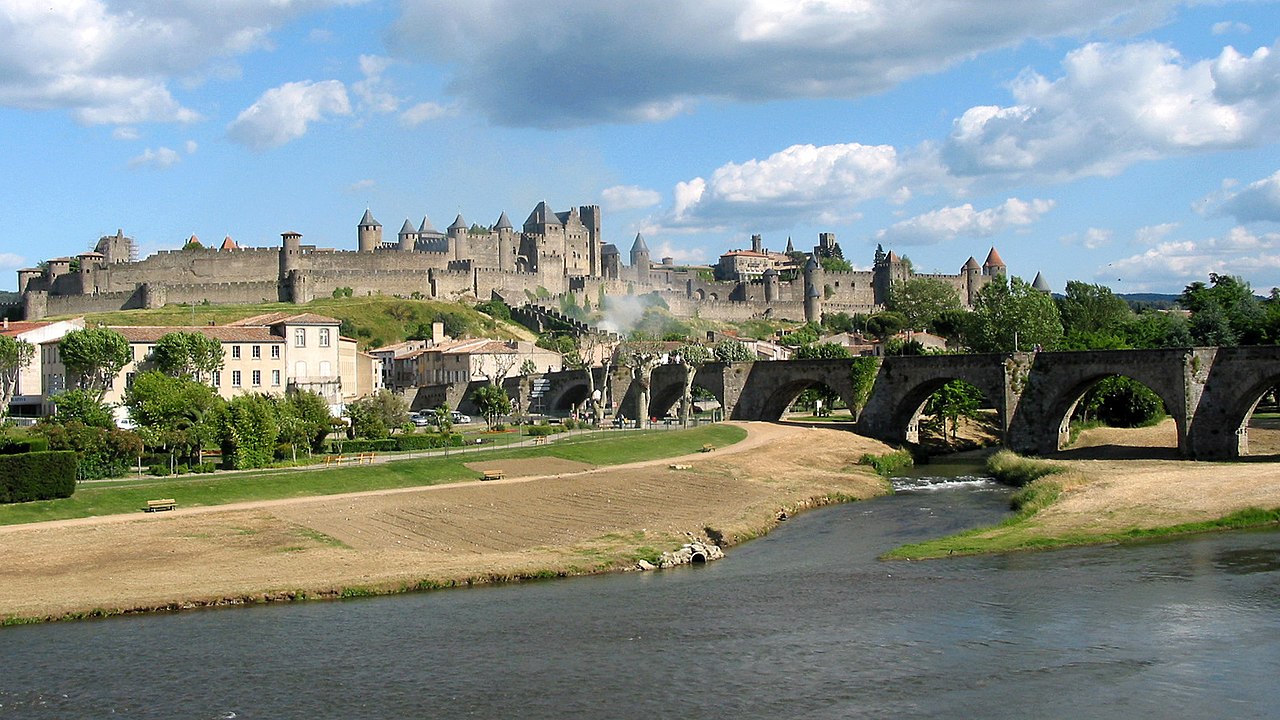
Administrative role and structure
Each commune is governed by a municipal council and a mayor, responsible for local services such as civil registration, primary education facilities, local roads and planning. Communes are grouped into cantons and arrondissements within the Aude department, which itself is part of a regional administration. Intercommunal cooperation is common: communes often participate in communautés de communes or communautés d'agglomération to manage shared services.
History and development
The modern system of communes dates from the French Revolution and has evolved through administrative reforms and rural depopulation. While some communes have merged or formed joint organizations to pool resources, many retain distinct local identities and traditional responsibilities inherited over two centuries of municipal practice.
Geography and characteristics
Aude covers a varied landscape that includes Mediterranean coastline, the Corbières hills and foothills of the Pyrenees, as well as river valleys such as the Aude. This variety is reflected in the communes: coastal towns emphasize tourism and ports, inland communes focus on viticulture, agriculture and heritage sites like medieval fortifications and canal infrastructure.
Notable communes and examples
- Carcassonne – the department capital, known for its fortified citadel.
- Narbonne – an important historical and commercial center.
- Castelnaudary – associated with the Canal du Midi and local gastronomy.
- Limoux and Lézignan-Corbières – examples of market towns with strong viticultural traditions.
Importance and further information
Communes are vital for everyday administration and local identity across the departmental structure of Aude. Their diversity shapes regional planning, heritage conservation and tourism development. For general context on the national framework of local government, consult sources about France and departmental administration.
Tags
Related articles
Author
AlegsaOnline.com Communes of the Aude department Leandro Alegsa
URL: https://en.alegsaonline.com/art/22069