
Colleges and universities in Montana
An overview of higher education in Montana: types of institutions, historical development, roles in the state’s economy and communities, and where to find official lists and resources.
Higher education in Montana comprises a network of public and private institutions that serve a largely rural and geographically dispersed population. The system includes two major research universities, regional campuses, community and technical colleges, and tribal colleges that focus on serving American Indian communities. These institutions provide liberal arts, professional, technical and graduate programs adapted to the state’s economic needs and environment.
Image gallery
2 Images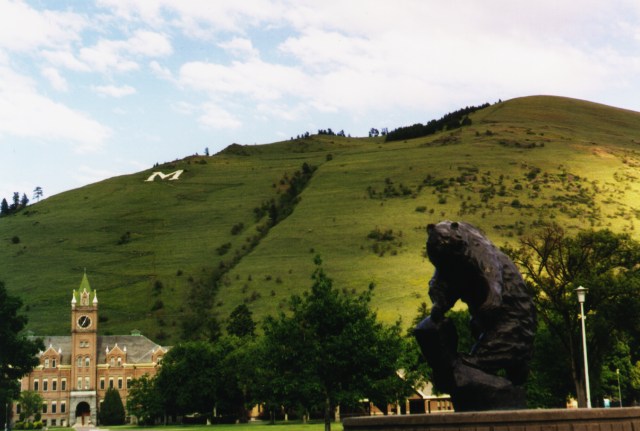

Types of institutions
- Public research universities—state-supported institutions offering undergraduate, graduate and research programs.
- Regional and branch campuses—smaller campuses that extend access in different parts of the state.
- Community and technical colleges—two-year and vocational programs focused on workforce development.
- Tribal colleges—institutions chartered by Native nations to preserve culture and provide higher education tailored to tribal needs.
- Private liberal arts and speciality colleges—smaller independent schools with distinct educational missions.
For an organized list of institutions, consult official compilations such as lists of colleges and universities in Montana.
History and development
Higher education in Montana expanded in the decades around statehood to meet agricultural, engineering and teacher-training needs. Land-grant principles and state investment supported the creation of flagship campuses, while later growth produced branch campuses, technical schools and institutions run by tribal nations. Over time, colleges adapted curricula to the state’s industries—agriculture, mining, forestry, energy and increasingly tourism and outdoor recreation.
Roles and significance
Colleges and universities in Montana play several roles: educating a skilled workforce, conducting research on natural resources and rural issues, supporting cultural preservation (particularly through tribal colleges), and contributing economic activity to small cities and towns. Community colleges act as critical access points for local students and adult learners, while larger universities attract research funding and partnerships.
Notable distinctions and trends
Montana’s higher education system is characterized by relatively small campus sizes, close ties to outdoor and natural-resource programs, and a growing emphasis on distance learning to reach remote communities. Tribal colleges provide culturally relevant programs and often partner with state institutions to broaden degree pathways. Prospective students and researchers often compare program offerings, campus settings and transfer options when choosing among Montana’s varied institutions.
To explore specific institutions, program offerings, admissions policies or statewide higher education planning, use official resources and institutional pages linked above or contact the Montana higher education authorities for up-to-date information.
Related articles
Author
AlegsaOnline.com Colleges and universities in Montana Leandro Alegsa
URL: https://en.alegsaonline.com/art/21610
Sources
- collegeboard.com : "The College Board"