
Colleges and universities in New Hampshire
Overview of higher education in New Hampshire: types of institutions, notable examples, historical notes, roles in the state, and how they differ in mission and programs.
New Hampshire hosts a diverse mix of higher education institutions, from an Ivy League college and a public flagship campus to private non‑profit universities and a system of community and technical colleges. Together they serve traditional undergraduates, adult learners, online students, and regional employers. For organized listings see colleges and universities in New Hampshire.
Image gallery
2 Images
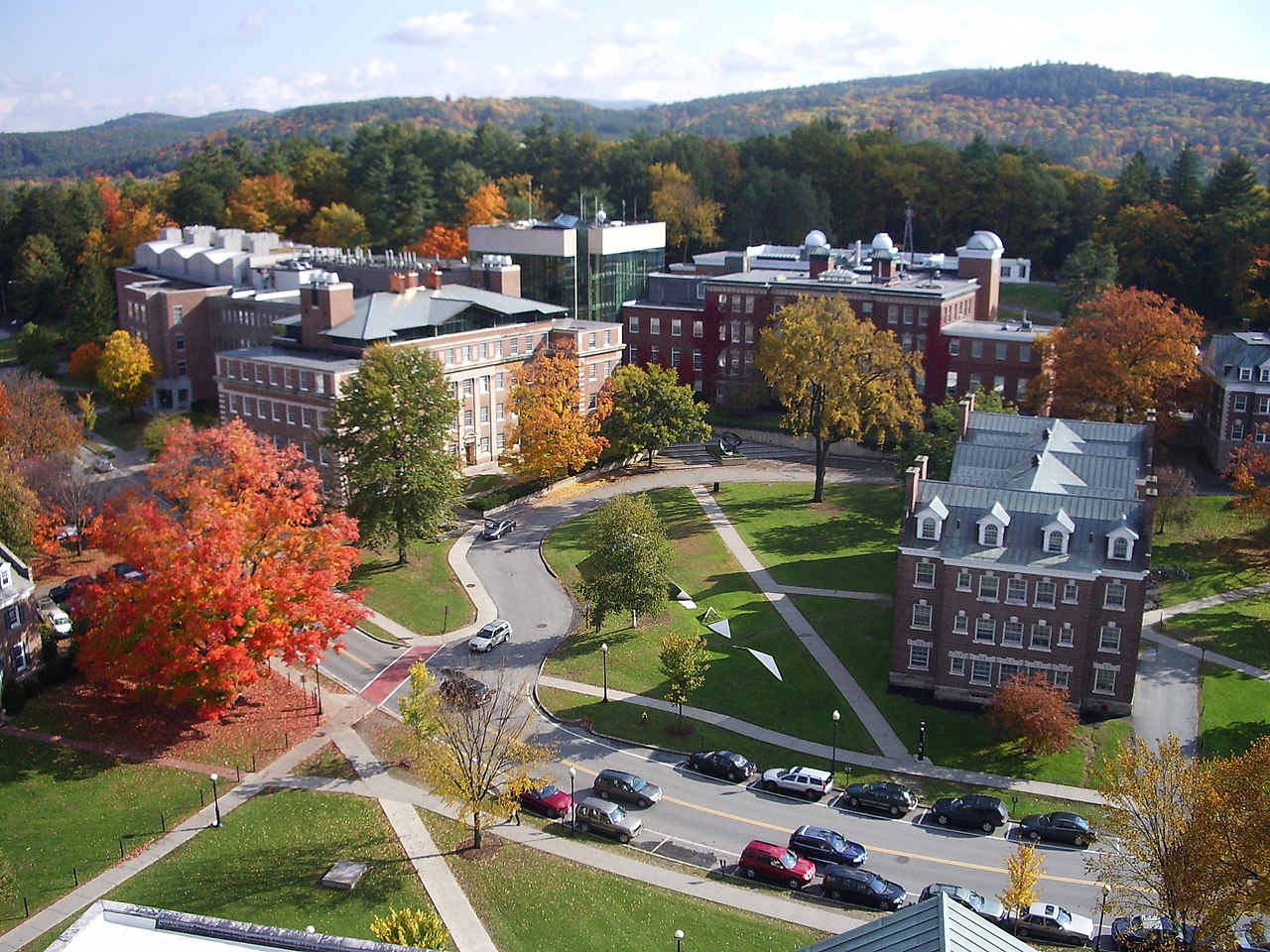
Types and notable institutions
Institutions fall into several broad categories:
- Private research universities and liberal arts colleges — the most prominent example is Dartmouth College, an Ivy League research and liberal arts institution.
- Public universities and state colleges — these include the state's public research campus and several state colleges that emphasize undergraduate education and regional engagement.
- Private non‑profit universities — some are best known for large online programs and professional degrees.
- Community and technical colleges — two‑year programs, workforce training and certifications offered across multiple campuses in the state.
History and development
The state’s higher education landscape reflects different historical waves: colonial‑era private colleges, 19th‑century land‑grant and teacher training institutions, and 20th‑ and 21st‑century expansions in public campuses, commuter colleges, and online education providers. This layered history explains why New Hampshire has both long‑established research traditions and flexible modern programs for adult learners.
Roles, programs, and regional importance
Colleges and universities in the state supply a range of degrees — associate, bachelor’s, master’s and doctoral — and serve as centers for research, cultural events, and small business incubators. Community colleges tend to focus on certificates, two‑year degrees and workforce retraining, while four‑year institutions balance liberal arts, professional education and graduate research. Many campuses partner with local employers to align curricula with labor market needs.
Choosing an institution and notable distinctions
When comparing schools in New Hampshire consider mission (research vs. teaching), size, delivery mode (on‑campus vs. online), program offerings, and campus culture. Distinguishing features include the historical prestige of some private colleges, the public flagship’s research role, and the rapid growth of certain private universities in online education. Prospective students should review program accreditation, internship opportunities and transfer pathways from community colleges.
Related articles
Author
AlegsaOnline.com Colleges and universities in New Hampshire Leandro Alegsa
URL: https://en.alegsaonline.com/art/21613
Sources
- collegeboard.com : "The College Board"