
Colleges and universities in Oregon: an overview
Survey of higher education in Oregon, including public and private universities, community and technical colleges, history, prominent institutions, and their roles in the state's education and economy.
Overview
This article summarizes colleges and universities in Oregon, describing types of institutions, historic development, and the roles they play in education and the regional economy. It covers both two‑ and four‑year schools and highlights notable examples among public and private institutions. For lists and more detailed directories see resources for colleges and universities.
Image gallery
10 Images





Types and characteristics
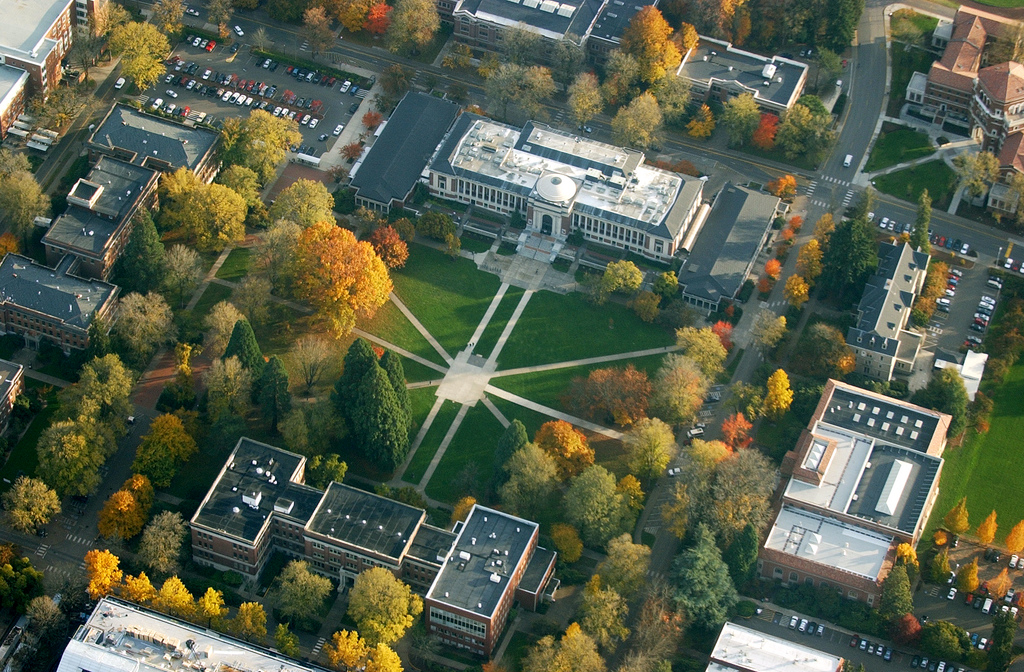
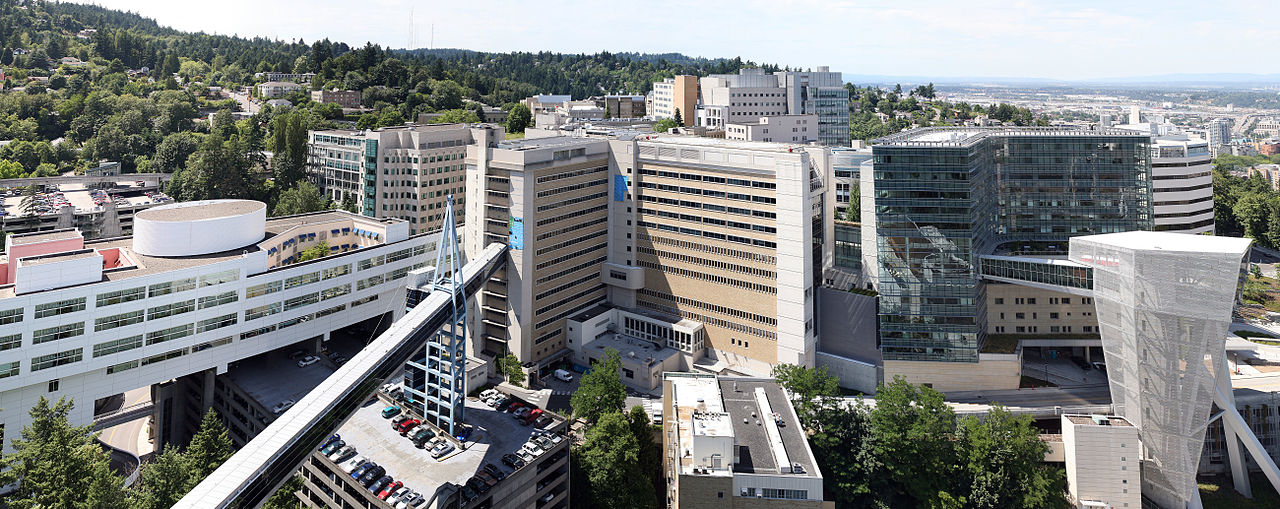
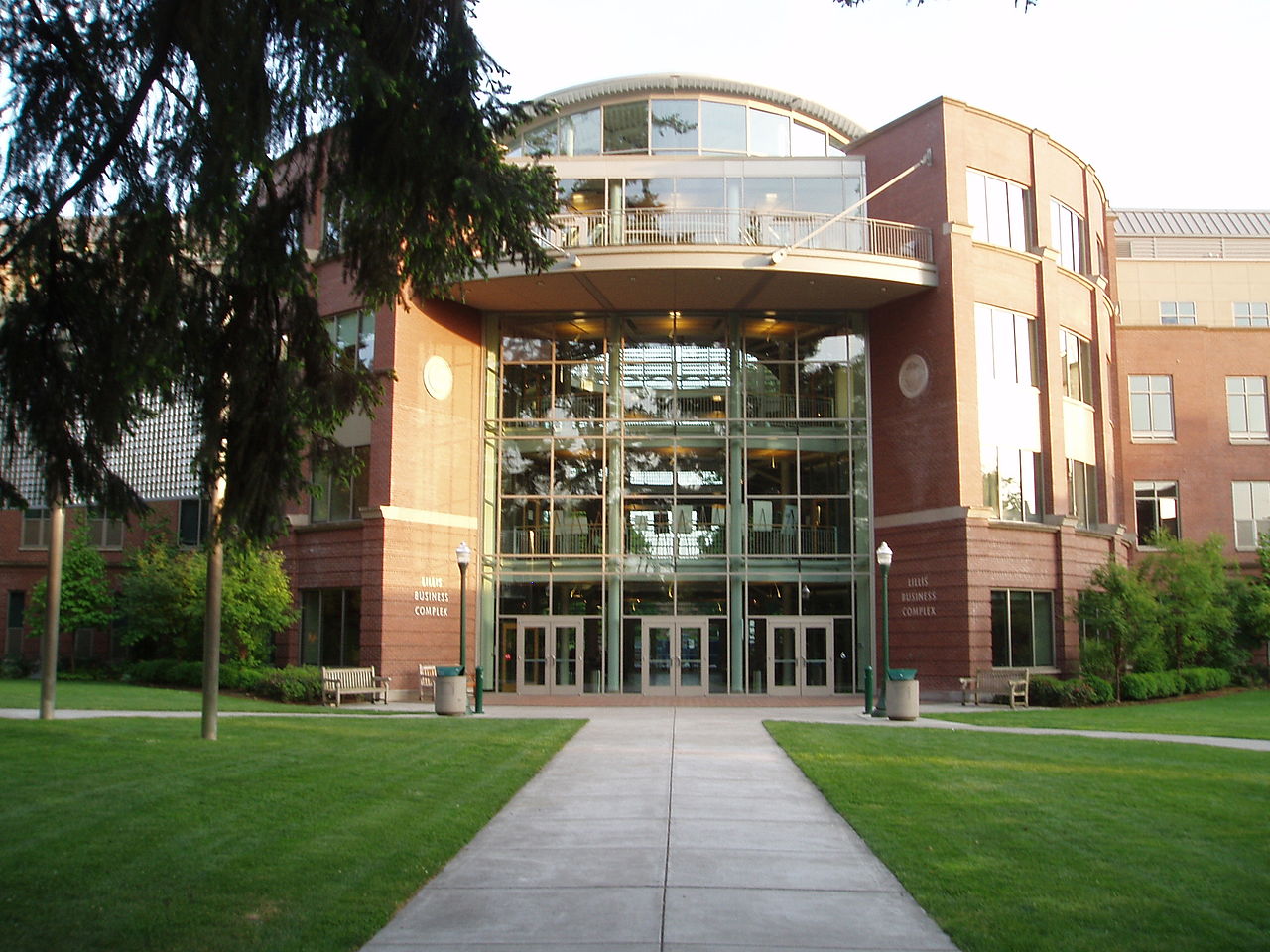
Oregon's higher education landscape includes public research universities, regional teaching universities, independent liberal arts colleges, community colleges, technical institutes, and special‑purpose schools (health, arts, theology). Public universities typically offer graduate and professional programs and receive state support; private colleges vary from small liberal arts institutions to nonprofit professional schools. Community colleges provide associate degrees, certificates, and transfer pathways to four‑year institutions.
History and development
Higher education in Oregon developed through land‑grant and civic investments in the late 19th and early 20th centuries, expanding after World War II with vocational training and broader access programs. Over time the state added community colleges and specialized institutions to meet workforce needs, and many campuses have grown into regional centers for research, creativity, and public service.
Notable institutions (examples)
- Public research and regional universities: major public campuses serving undergraduate and graduate students.
- Private liberal arts and professional schools: historically important small colleges with focused curricula.
- Community and technical colleges: local institutions offering two‑year degrees, certificates, and transfer options.
- Special‑purpose schools: art, health, or theological colleges contributing to professional training.
Community, tribal and vocational colleges
Community colleges form a statewide system of open‑access institutions that emphasize workforce training, adult education, and transfer agreements with four‑year schools. Tribal colleges and vocational institutes provide culturally responsive education and technical credentials tailored to local economies.
Role and distinctions
Colleges and universities in Oregon differ by mission: research intensity, liberal arts focus, technical training, or community service. Prospective students should compare program offerings, campus size, cost, financial aid, and transfer pathways. State and institutional partnerships also shape regional economic development, workforce pipelines, and public research priorities.
For directories, program details, and official campus information consult the overview resources for colleges, universities, and statewide higher education pages for Oregon.
Related articles
Author
AlegsaOnline.com Colleges and universities in Oregon: an overview Leandro Alegsa
URL: https://en.alegsaonline.com/art/21618
Sources
- nces.ed.gov : "College Navigator"