
Cloister: definition, form, history and uses
A cloister is a covered, often arcaded walkway enclosing a central open space, found in monasteries, churches and colleges. Its design, history and functions shaped religious and educational architecture in Europe.
Overview
A cloister is an architectural element consisting of a covered ambulatory or walkway that surrounds a central open court. Often forming a quadrangle, it links the principal buildings of a religious or academic complex and provides a sheltered space for movement, reflection and routine. Cloisters are most commonly associated with medieval monastic life but appear in a variety of institutional settings.
Image gallery
10 Images





Key characteristics
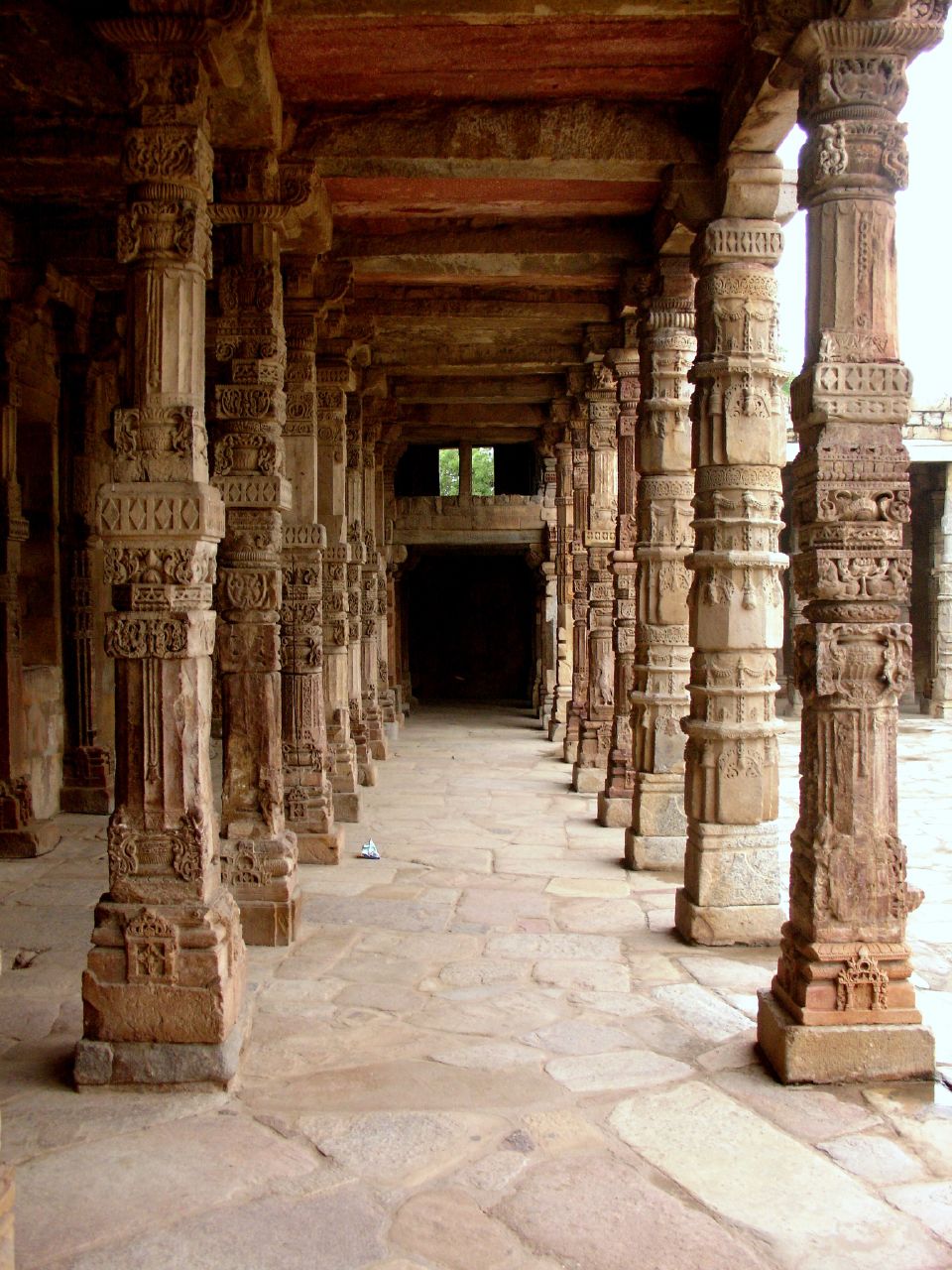
Typical features of a cloister include a continuous covered passage, an inner arcade facing the central yard and an outer wall opening onto adjoining rooms such as a refectory, chapter house or dormitory. The central area—sometimes called the garth—may be planted as a garden or left open as a paved court. Materials and detailing range from simple timber beams and plain arches to elaborate stone column capitals and sculpted arcades.
Historical origin and development
The cloister evolved from classical and early Christian precedents such as the Roman peristyle and episcopal atrium. During the medieval period it became a standard layout in Benedictine, Cistercian and other monastic plans across Europe. Over centuries the form adapted to local building traditions and liturgical needs, giving rise to regional variations in scale, ornament and proportion.
Functions and examples
- Practical: sheltered circulation between rooms and protection from weather.
- Ritual: processional routes and places for silent prayer or reading.
- Social and educational: places for instruction, meeting and study in convents and colleges.
Cloisters are therefore both functional and symbolic, organizing daily life and reflecting institutional values.
Variations and notable distinctions
Not every enclosed courtyard is a cloister: the term generally implies a covered, continuous walkway with an internal arcade. Secular quadrangles such as college quads share a visual kinship but may lack the liturgical and processional roles of monastic cloisters. For more on architectural context see architecture, on religious settings see monasteries, and on academic examples see colleges. For form-related terminology consult entries on quadrangle and arcade.
Related articles
Author
AlegsaOnline.com Cloister: definition, form, history and uses Leandro Alegsa
URL: https://en.alegsaonline.com/art/21072