
Clockwork Angels — Rush's nineteenth and final studio album
Clockwork Angels is the nineteenth and final studio album by Canadian rock trio Rush, released June 12, 2012. A concept album with steampunk imagery, it charted highly and won the 2013 Juno for Rock Album of the Year.
Overview
Clockwork Angels is the nineteenth and final studio album by the Canadian rock band Rush, released on June 12, 2012. The record marked the band's first studio release through Roadrunner Records and continued the trio's long-running blend of progressive and hard rock. Upon release the album reached the top of the Canadian charts and reached the second position on the US Billboard 200. It was later honored as Rock Album of the Year at the 2013 Juno Awards.
Image gallery
1 Image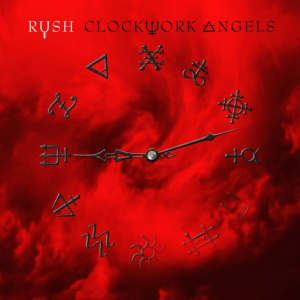
Concept and themes
Rather than a loose collection of songs, Clockwork Angels is presented as a concept album: its songs together suggest a narrative and recurring motifs. The lyrics, written by drummer and primary lyricist Neil Peart, draw on imaginative and allegorical elements — often described as having a steampunk or clockwork aesthetic — to examine larger themes such as free will, fate, personal growth and the search for meaning. The music and words form a continuous atmosphere that supports a protagonist's journey through a vividly sketched, partly fantastical world.
Musical character and personnel
Musically the album combines Rush's signature virtuosic performances with accessible melodic hooks. The trio of Geddy Lee (bass, keyboards, vocals), Alex Lifeson (guitars) and Neil Peart (drums, lyrics) is at the center of the sound: intricate instrumental passages, shifting time signatures and strong melodic choruses. Electronic textures and orchestral touches appear alongside driving rock arrangements, reflecting the band's long-standing tendency to fuse complexity with tuneful songwriting.
Development, related works and touring
Clockwork Angels grew out of a focused creative period for the band. After completing the studio album, the band developed a large-scale live production to present the concept on stage; the supporting Clockwork Angels Tour became an extensive concert run and was documented in live recordings. The album's story and world were also expanded into a prose novel written by science-fiction author Kevin J. Anderson in collaboration with Neil Peart, offering fans a fuller narrative experience based on the album's themes.
Reception and legacy
Critics generally praised Clockwork Angels for its ambitious songwriting, production quality and the continued high level of instrumental skill from a band with a career spanning decades. The album's strong chart performance and the Juno award underline its commercial and artistic impact. As the final studio album released by Rush, Clockwork Angels is often cited as a culminating statement in their recorded legacy, combining narrative ambition with the musicianship that defined the band.
Notable tracks and listening notes
- Title track: an atmospheric centerpiece that encapsulates the album's narrative imagery.
- Up-tempo songs that balance progressive structures with melodic choruses.
- Instrumental passages and soloing that highlight the trio's interplay and technical ability.
For listeners approaching Clockwork Angels for the first time, attentive listening to both lyrics and arrangements rewards repeated plays: the album was conceived as a unified work whose story and musical motifs recur and evolve across its sequence of songs.
Related articles
Author
AlegsaOnline.com Clockwork Angels — Rush's nineteenth and final studio album Leandro Alegsa
URL: https://en.alegsaonline.com/art/21066
Sources
- billboard.com : "Canadian Albums - Week of June 30, 2012"
- billboard.com : "Billboard 200 - Week of June 30, 2012"
- junoawards.ca : "2013 JUNO Award Winners"