
Climbing route
A climbing route is the path a climber follows on rock, ice, or mixed terrain. Articles describe its features, grading, history, notable examples and how routes are recorded and used.
A climbing route is the line or sequence of moves a climber follows to ascend a rock face, icefall, mountain face or artificial wall. Routes range from short single-pitch problems to multi-day big-wall lines. The term covers the physical features of the climb, the intended path, and the commonly accepted methods for protecting and progressing on that line.
Image gallery
10 Images





Characteristics and components
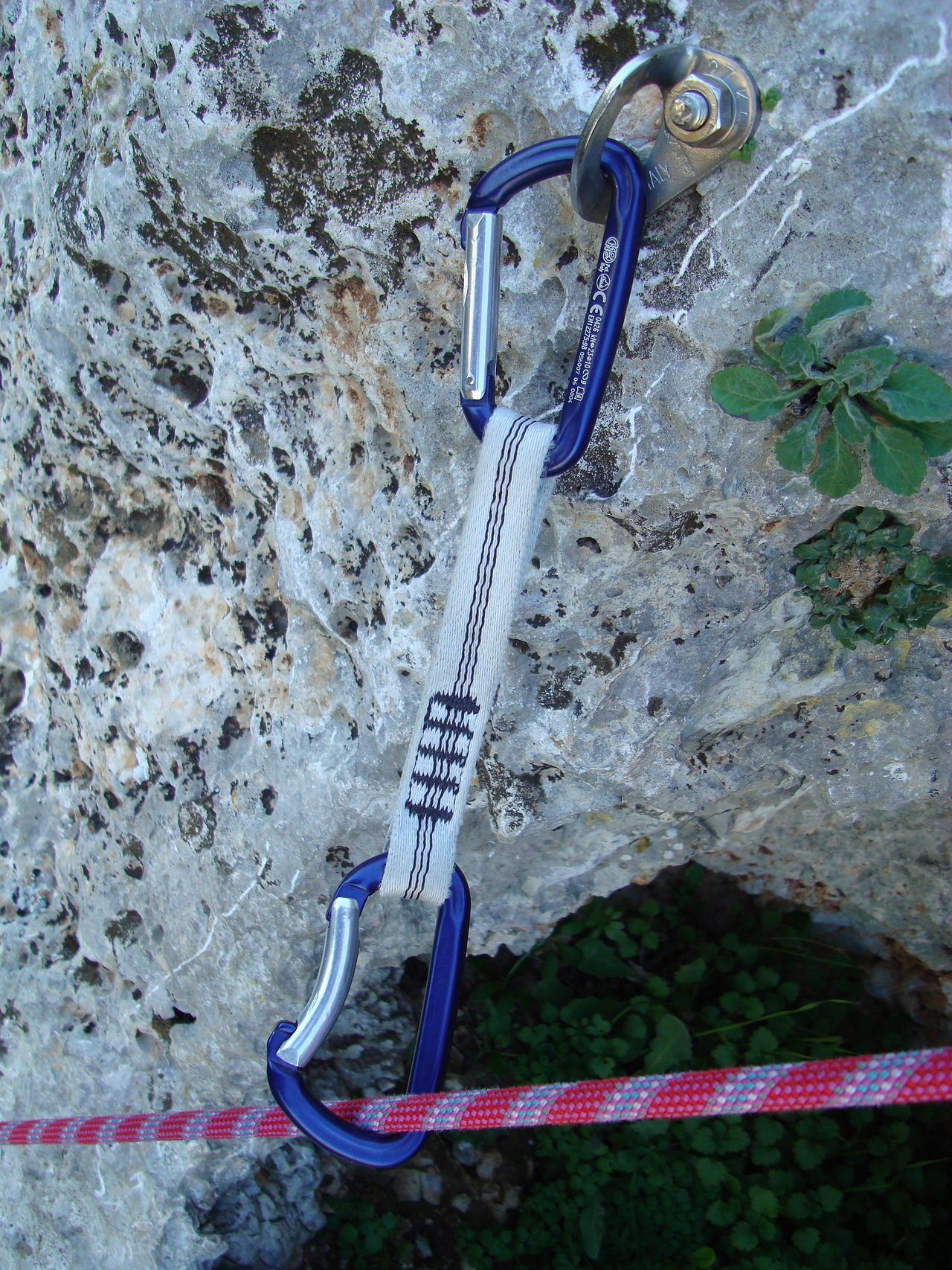
Routes are described by a number of standard elements: the type of rock or ice, the number of pitches (continuous rope-length sections), technical difficulty, the "crux" (hardest move or section), typical protection and anchor locations, approach and descent, and objective hazards. A single route may include bolts, natural protection (cams, nuts), fixed anchors or aid placements depending on its style.
Types and styles
- Sport routes rely primarily on permanent bolts for protection and emphasize free-climbing movement.
- Traditional (trad) routes expect the leader to place temporary protection in cracks and features.
- Aid routes use gear to progress where free climbing is impractical or impossible.
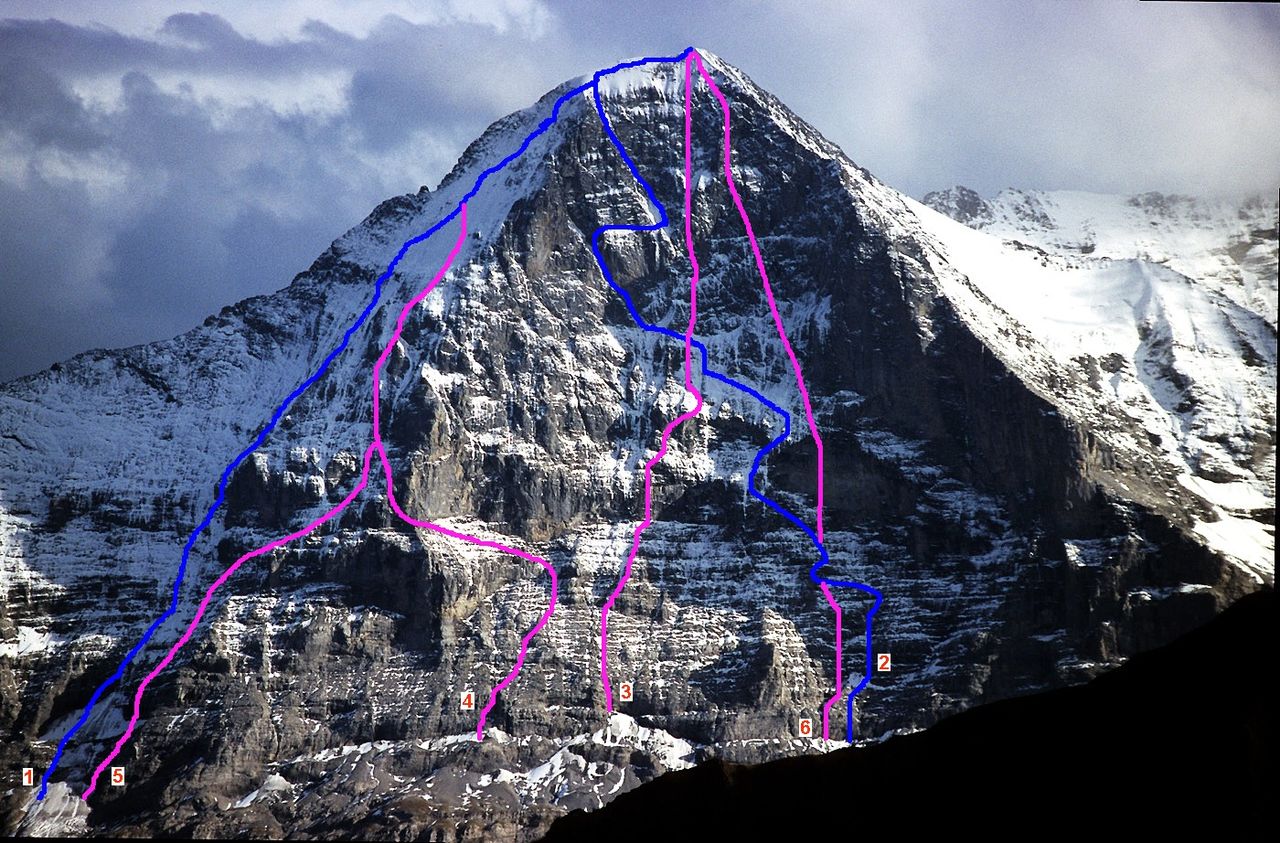
- Alpine, ice and mixed routes involve glacier travel, ice climbing, or combinations of rock and ice and often require additional mountaineering techniques.
- Big-wall routes are long, multi-pitch lines that may be climbed over days with hauling systems.
Grading, guides and documentation
Difficulty is conveyed by regional grading systems such as the Yosemite Decimal System, French sport grades, the UIAA scale and others; seriousness or commitment is sometimes indicated by adjectival grades. Route descriptions and photographs are collected in climbing guidebooks and online databases. Climbers consult these sources for approach notes, belay locations and recommended protection; for example, classic lines are recorded in guidebooks like Fifty Classic Climbs of North America.
History, naming and first ascents
Routes often carry names that reflect a feature, a first ascentionist, or cultural references. The history of a route—who first climbed it, when, and by what style—can be important to local ethics and to subsequent climbers. Notable examples include "The Nose" on El Capitan and D1 on The Diamond, both cited for their historical significance and sustained popularity.
Uses, distinctions and ethics
Routes serve many purposes: recreation, training, exploration, and guiding. They differ from hiking trails or indoor problems in protection, exposure and commitment. Ethical discussions can influence how a route is climbed or maintained—for example, whether to add bolts, remove fixed gear, or minimize impact. Climbers are encouraged to follow Leave No Trace principles and local access regulations when attempting routes.
For practical information, route descriptions and topo diagrams, consult authoritative resources and local guidebooks or databases. A common entry point for online route information can be found via route directories and guide services, which compile approaches, grades and beta that help climbers plan a safe ascent.
Related articles
Author
AlegsaOnline.com Climbing route Leandro Alegsa
URL: https://en.alegsaonline.com/art/21003