
Cleveland Heights, Ohio
Residential suburb east of Cleveland in Cuyahoga County, noted for tree-lined streets, varied architecture, local arts and parks; 2010 population about 46,000.
Overview
Cleveland Heights is an inner-ring suburban city located in northeastern Ohio, immediately adjacent to the city of Cleveland. It is primarily residential, with several commercial corridors that serve neighborhood shopping and dining. According to the 2010 United States Census, the population was just over 46,000. The community is part of the larger Cleveland metropolitan area and shares many social and economic ties with the region.
Image gallery
7 Images


History
The area that became Cleveland Heights developed in the late 19th and early 20th centuries as a suburban residential district. It was first organized as a village in 1903 and later established a city form of government in 1921. Growth was driven by streetcar lines and the expansion of Cleveland, which encouraged residential subdivisions, parks, and local institutions.
Character and built environment
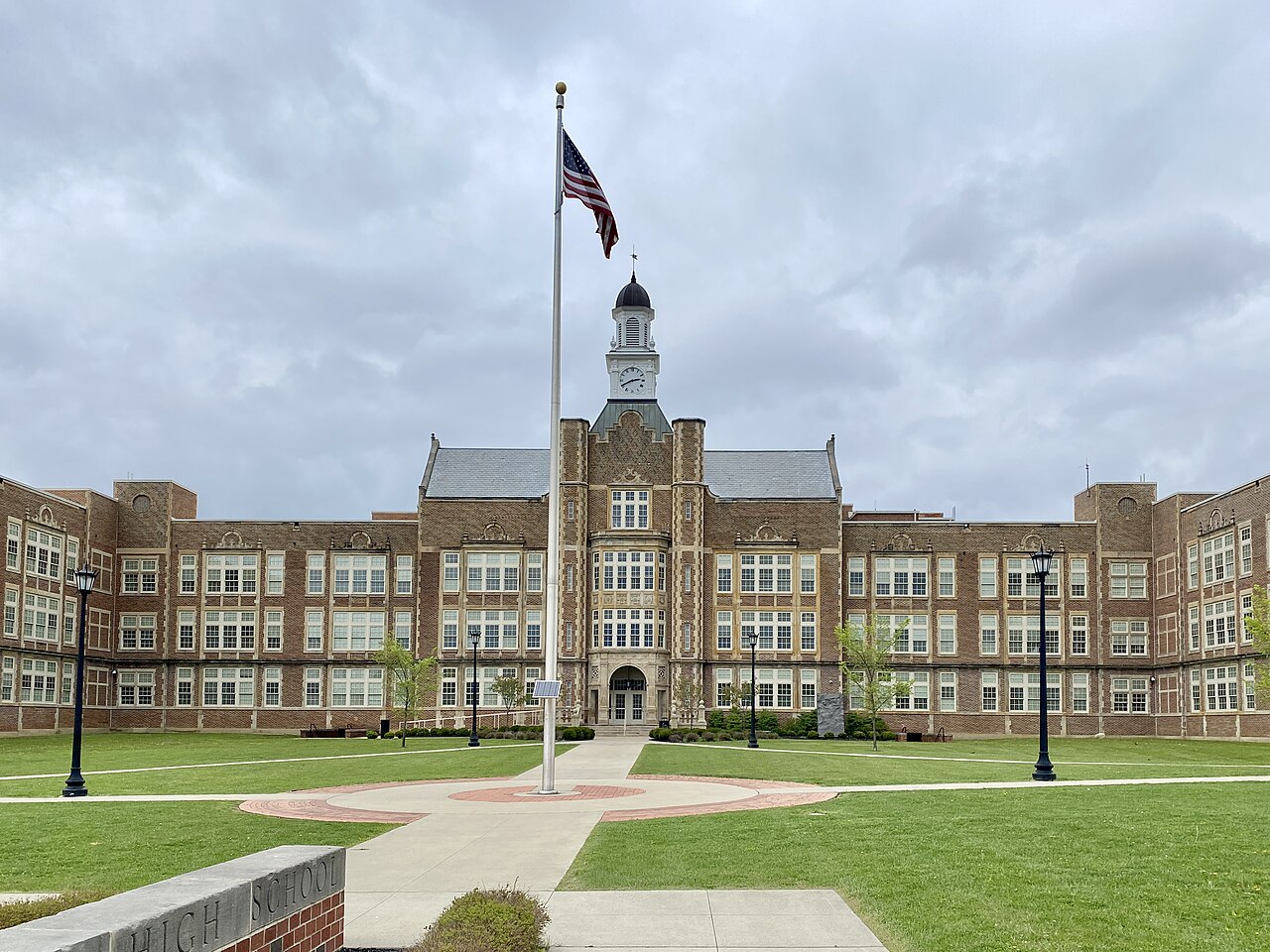
Cleveland Heights is known for a diverse housing stock that includes early 20th-century bungalows, Tudor and Craftsman homes, and mid-century designs. Many streets are tree-lined and the city contains distinct neighborhoods with small commercial districts along roads such as Lee, Coventry and Cedar-Fairmount. Several blocks retain historic features and there are active preservation efforts to maintain architectural character.
Culture, parks and institutions
The city supports an active cultural scene with local theaters, galleries and community events. Cain Park, an outdoor performance venue and park, hosts concerts and summer programming that draw regional audiences. The area is served by the Cleveland Heights–University Heights school district and a mix of private and community education resources. Parks, walking trails and neighborhood playgrounds contribute to quality of life for residents.
Transportation, economy and government
Historically oriented around streetcar lines, modern Cleveland Heights is accessible by regional transit and roadways connecting to downtown Cleveland and nearby suburbs. The local economy centers on retail, professional services, schools and small businesses rather than heavy industry. Municipal government provides typical city services and planning, focusing on housing, commerce, and community programs.
Notable facts
- Established as a village in 1903 and reorganized as a city in 1921 (founding history).
- Part of the Cleveland metropolitan area with strong cultural and economic ties to the city of Cleveland.
- Local landmarks and parks attract visitors from the region and support neighborhood identity.
For local information, municipal services, and community events visit the city site and regional resources linked from the municipal pages above.
Related articles
Author
AlegsaOnline.com Cleveland Heights, Ohio Leandro Alegsa
URL: https://en.alegsaonline.com/art/20949