
Classified advertising: definition, formats, history and uses
Short, categorical advertisements traditionally in newspapers and now widely posted online; used by individuals and small sellers to offer goods, services, jobs and property.
Overview
Classified advertising consists of concise, category-based advertisements placed by private sellers, small businesses or individuals to offer goods, services, employment or property. Traditionally assembled in a distinct section of a newspaper or periodical, classified ads are grouped under headings such as "For Sale", "Real Estate", "Jobs" or "Services" so readers can browse items of interest quickly. Unlike display advertising, classifieds were historically text-focused and inexpensive, emphasizing clear contact details and brief descriptions rather than artwork.
Image gallery
3 Images

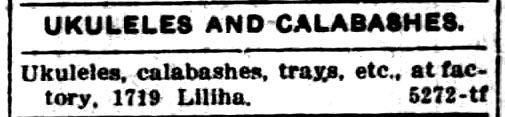
Common characteristics and formats
Key features of classified ads include short copy, categorical indexing, and a focus on local or narrowly targeted audiences. Pricing models have varied: print classifieds were often charged by line length or number of words; many online listings are free or follow flat-fee, subscription, or premium-fee models for highlighted placement. Online platforms have expanded capabilities to include photos, longer descriptions, search filters and geographic targeting while retaining the basic classified concept of short, searchable listings.
Typical categories
- Vehicles and automotive
- Housing: rentals, homes for sale
- Employment and gigs
- Household goods and personal items
- Services: trades, repairs, tutoring
- Personals and community notices
History and development
Classifieds arose with print newspapers as a low-cost way for individuals to reach local buyers. From the late 20th century onward, the internet transformed the market: online marketplaces and community sites made it easier to post, search and respond to ads, often for free. That shift reduced revenue for many newspapers, while creating a diverse online ecosystem where specialized classified sites focus on niches such as jobs, real estate or automobiles.
Uses, importance and distinctions
Classified advertising remains important for quick local transactions, community announcements and recruitment for small employers. It differs from display or brand advertising by intent and form: classifieds are transactional and informational, not primarily designed to build brand recognition. The classifieds model suits private sellers and micro-businesses because it keeps costs low and targets people actively seeking specific items.
Practical considerations and safety
Users should be aware of legal restrictions (prohibited items and local rules) and common scams. Effective ads are clear, include a concise title, accurate price, basic condition notes and at least one photo when possible. For safety, meet in public places, verify payment methods, and insist on written receipts when selling goods.
Further information
For background on advertising formats and best practices, consult general advertising resources via further reading. For developments in online classifieds and digital marketplaces, see industry overviews at online resources.
Related articles
Author
AlegsaOnline.com Classified advertising: definition, formats, history and uses Leandro Alegsa
URL: https://en.alegsaonline.com/art/20788
Sources
- washingtonpost.com : On the Internet, A Tangled Web Of Classified Ads - washingtonpost.com