
Code name: purpose, history, practices, and notable examples
A code name is a substitute label used to conceal or simplify reference to an operation, person, product, or project. Used in military, intelligence, business, and technology contexts.
Overview
A code name is an alternate, often secret, label assigned to a person, operation, project, product or sensitive subject. It serves to conceal true identity, reduce ambiguity in communication, and sometimes to simplify spoken transmission over noisy channels such as walkie-talkies. Many organizations use code names throughout planning and early development phases to prevent unauthorized disclosure and to keep public attention away from unfinished work.
Image gallery
1 Image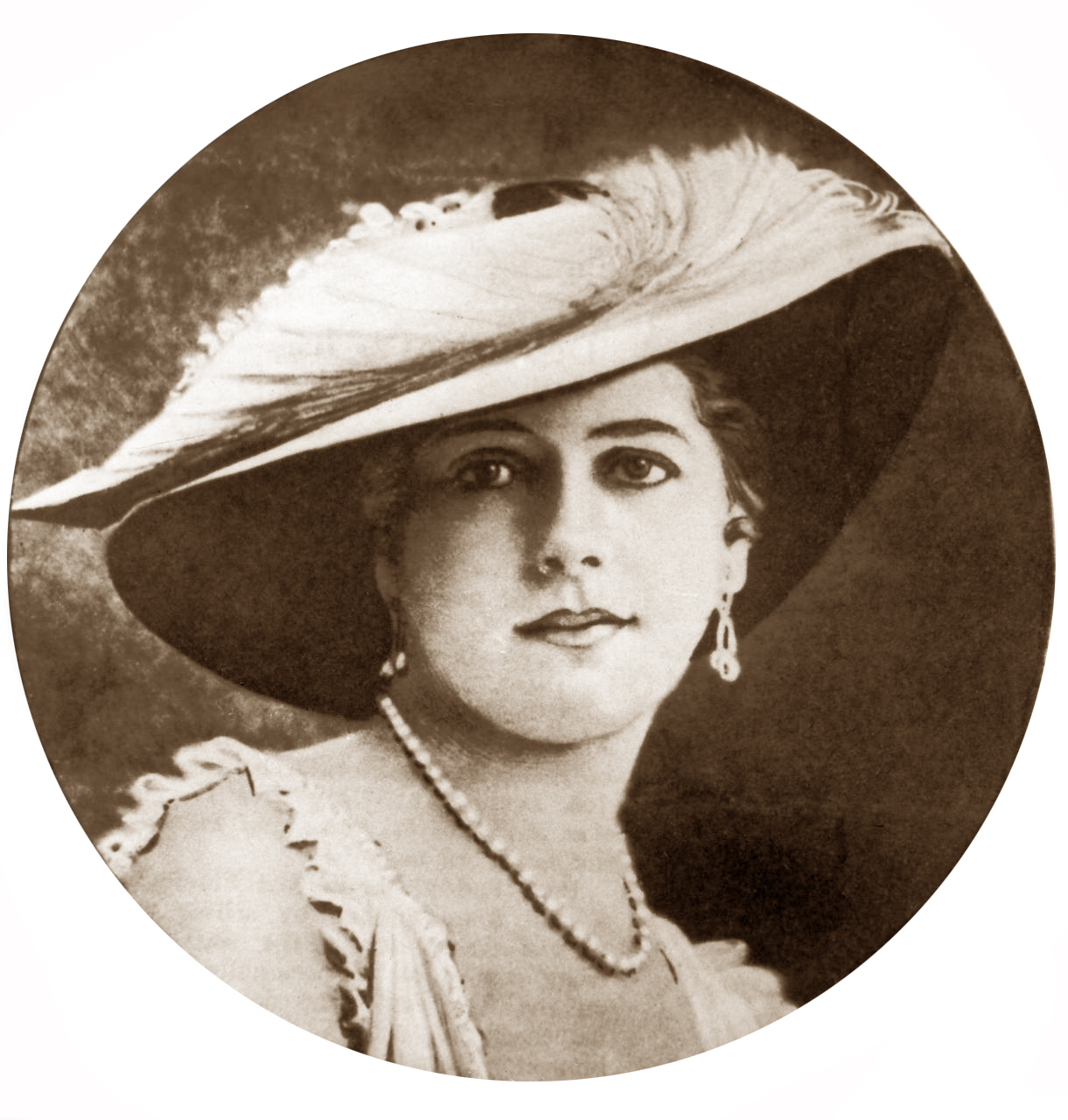
Characteristics and typical uses
Code names vary widely in form: they can be single words, phrases, or short alphanumeric strings. Common uses include military operations, intelligence assignments, industrial research, and product development. Advantages include improved operational security, easier radio and telephone transmission, and the ability to refer to sensitive matters without revealing details. A code name can also become a temporary brand identifier until an official name is chosen.
History and notable examples
The systematic use of code names expanded during large-scale 20th century conflicts, when secrecy and coordination across many units were crucial. Famous historical instances include Operation Barbarossa and Operation Overlord, which were major military plans in the Second World War. Scientific and industrial efforts have also been shrouded in code; for example, the Manhattan Project was the wartime research program to develop nuclear weapons. Intelligence services commonly assign cover names to agents and operations to limit exposure.
Naming conventions and organization
Different organizations adopt different schemes to generate code names. Typical approaches include thematic lists (animals, mythological figures, colors), sequential or alphabetical systems, and randomized or algorithmic strings. Some groups prefer memorable words for clarity on radio links, while others choose meaningless combinations to avoid association. Naming rules may be formalized in internal policies to reduce accidental duplication and confusion.
Practical considerations and risks
While code names improve secrecy, they are not foolproof. Leaks, intercepted communications, and pattern analysis can defeat a name’s purpose. Additionally, a code name that becomes widely known can complicate public relations or legal disclosure once operations are declassified. Organizations must balance ease of use, secrecy, and the potential long-term consequences of a name becoming public.
Further reading and resources
- For communications practice and clarity: radio and field communication.
- Historical accounts often cite specific operations such as Operation Overlord for Allied planning in World War II.
- Detailed studies of wartime research programs may refer to the Manhattan Project as an example of large-scale code-named effort.
Questions and answers
Q: What is a code name?
A: A code name is a secret name used to refer to a name, word, project or person.
Q: Why are code names used for spies?
A: Spies are often referred to by their code name to make discovery more difficult.
Q: Why are code names used in industrial espionage?
A: Code names may also be used in industrial espionage to protect secrets from business rivals.
Q: What is the reason for using code names on radio channels?
A: Standard words and phrases are easier to hear on radio channels like walkie-talkies.
Q: When did code names become popular?
A: Code names became numerous in World War II.
Q: Can you name some famous code names from World War II?
A: Yes, some famous code names from World War II are Operation Barbarosa, Operation Overlord, and the Manhattan Project.
Q: What is the purpose of using code names in wartime?
A: The purpose of using code names in wartime is to keep the nature and objective of the mission a secret from the enemy.
Related articles
Author
AlegsaOnline.com Code name: purpose, history, practices, and notable examples Leandro Alegsa
URL: https://en.alegsaonline.com/art/21367