
Cliveden: Historic country house and estate on the River Thames
Cliveden is a historic country house and 375-acre estate on the River Thames in Buckinghamshire, England, noted for its gardens, Charles Barry architecture, notable residents and its current use as a luxury hotel.
Cliveden is a large and long‑established country house and estate located near London in Buckinghamshire, England. The name Cliveden is commonly rendered as "valley among cliffs" and has applied to a succession of grand houses built on the same site. For a general description see the house, and for its county location consult Buckinghamshire and nearby London. The property is part of England's landscape of country seats and is often referenced in guides to England.
Image gallery
10 Images


History and architecture
The estate has hosted three principal houses. The first major house dates from the late 17th century (built soon after 1666) and was destroyed by fire in 1795 (that fire is one of the better‑known early incidents). A second mansion replaced it but also succumbed to a destructive blaze in 1849. The present building was completed in 1851 and reflects the work of Sir Charles Barry, the architect best known for the mid‑19th century revival styles; his involvement is often summarized in studies of Victorian architecture (Sir Charles Barry).
Garden, landscape and features
Cliveden stands within an extensive garden and woodland of about 375 acres. The designed landscape combines formal terraces, woodland walks and views toward the River Thames. Garden visitors will find statuary and classical elements in stone, decorative fountains and carefully arranged flowerbeds—features discussed in many guides to the garden and woodland. Several of the estate's sculptural pieces and waterworks appear in catalogues of statuary and fountains. The house enjoys close proximity to the River Thames, which shaped both its setting and its access.
Notable residents and social history
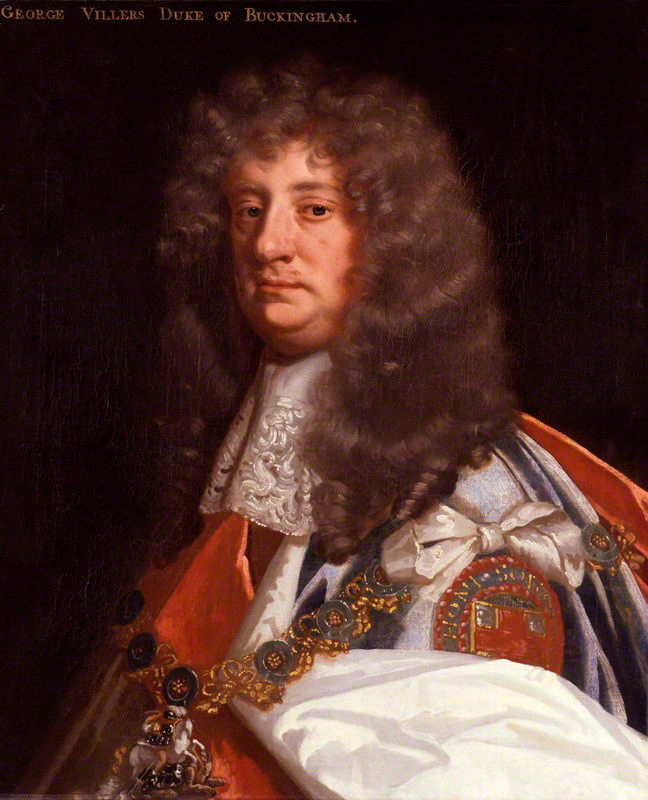
Over its history Cliveden has been home to owners and guests of political, artistic and social prominence. The estate has connections to aristocratic figures such as the Dukes of Buckingham and to members of the royal household. Among those associated with Cliveden are the second Duke of Buckingham and Frederick, Prince of Wales. In the 20th century Cliveden became well known as the residence of Lady Nancy Astor, who in 1919 became the first woman to take her seat in the UK Parliament (Member of Parliament). The house also hosted frequent social and political gatherings that shaped its public reputation.
Today and public access
In modern times the estate combines private and public roles. The buildings and grounds are managed in ways that support conservation, public visiting and hospitality. The main house operates as a luxury hotel and venue—see the hotel's information at Cliveden House—while parts of the gardens and woodlands are maintained for visitors and for heritage conservation. Cliveden remains a prominent example of an English country estate where architecture, landscape design and social history intersect.
Why Cliveden matters
- Architectural interest: a mid‑19th century house by a leading architect, set on the footprint of older residences.
- Landscape design: prominent formal and informal garden spaces beside the River Thames and within substantial woodland.
- Social significance: a site associated with notable individuals, political history and high‑society gatherings.
Questions and answers
Q: Where is Cliveden located?
A: Cliveden is located in Buckinghamshire near London, England.
Q: How many houses have been on the Cliveden site?
A: There have been three houses on the Cliveden site.
Q: When was the first house built and what happened to it?
A: The first house was built in 1666 and burnt to the ground in a fire in 1795.
Q: Who built the current house at Cliveden, and when was it made?
A: The current house at Cliveden was made by Sir Charles Barry, an architect, in 1851.
Q: What does the name Cliveden mean?
A: The name Cliveden means "valley among cliffs".
Q: What is the size of the garden and woodland surrounding Cliveden?
A: The garden and woodland surrounding Cliveden covers 375 acres.
Q: What is Cliveden used for today?
A: Cliveden is now used as a hotel.
Related articles
Author
AlegsaOnline.com Cliveden: Historic country house and estate on the River Thames Leandro Alegsa
URL: https://en.alegsaonline.com/art/21055