
Citroën Xantia
Mid-size family car produced by Citroën (1993–2002). Known for its hydropneumatic suspension, comfortable ride, and the high-performance Activa variant. Replaced the BX and was succeeded by the C5.
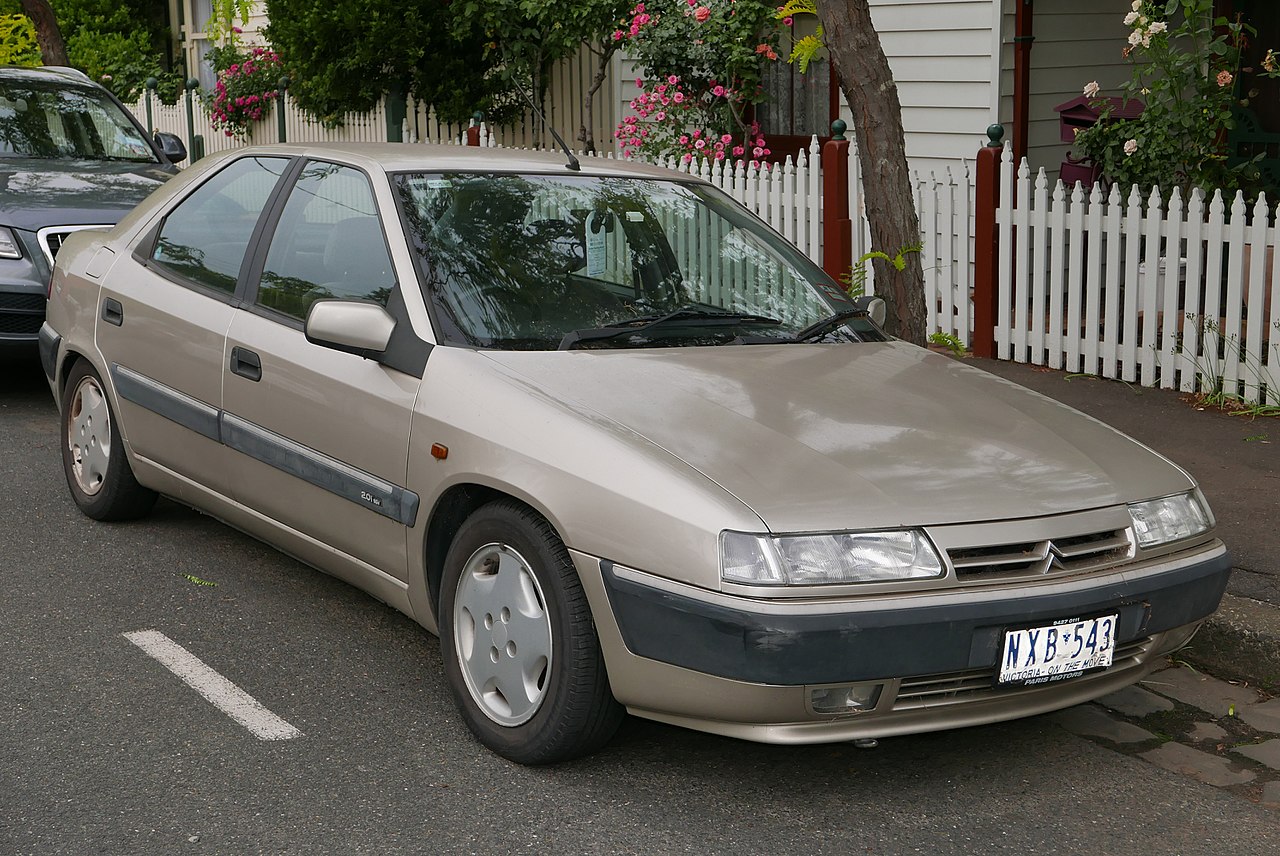
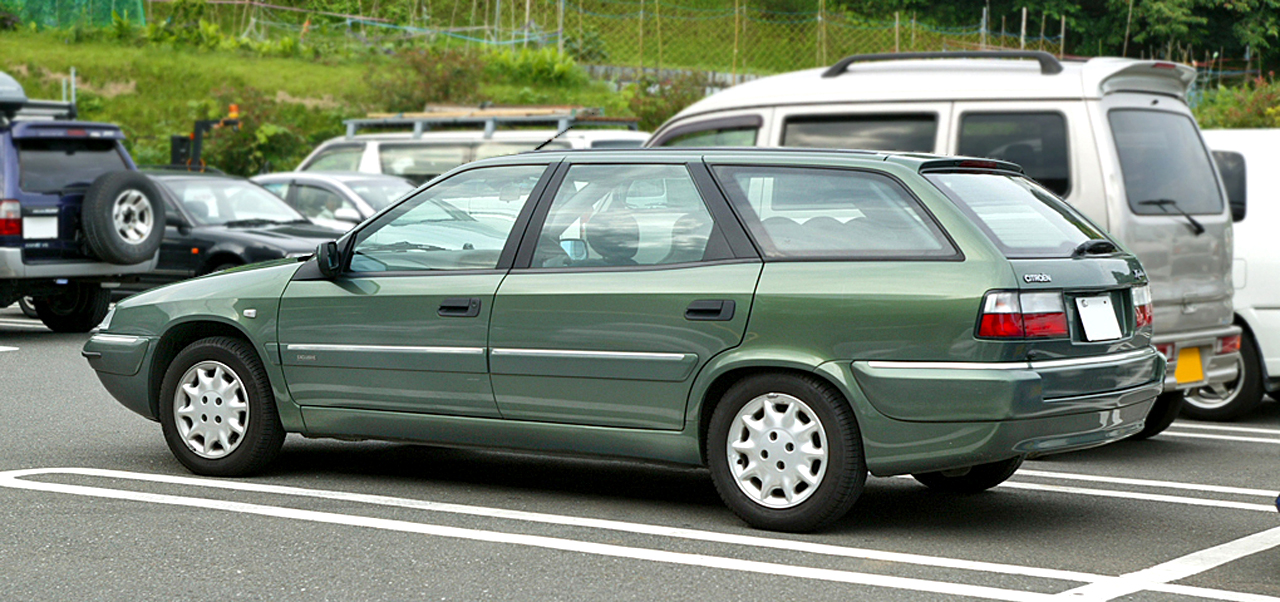
The Citroën Xantia was a mid-size family car introduced by Citroën in early 1993 to replace the ageing BX. Designed as a comfortable and practical hatchback, it later gained an estate variant in 1995 and received a styling and equipment facelift at the end of 1997. Production continued into the early 2000s, with the Xantia being phased out in favour of the C5 in 2001 and remaining on sale in some markets as a budget model through 2002.
Image gallery
10 Images



Design and main characteristics
The Xantia was offered primarily as a five‑door hatchback and as an estate (often referred to in French as a "break"). Its packaging emphasized passenger comfort and interior space for its class. One of the model's defining technical features was Citroën's hydropneumatic suspension system, which provided self‑levelling and a notably smooth ride compared with conventional setups.
Engine options covered a range of petrol and diesel units intended for private buyers and company fleets. Higher‑specification versions delivered stronger performance, while the line included economical diesels for long‑distance use. Transmissions ranged from manual gearboxes to automatic units depending on trim.
Variants and notable developments
In addition to standard trims, Citroën produced special versions such as the Xantia Activa, a performance‑oriented model fitted with an active anti‑roll system that markedly reduced body roll and improved handling. The 1997 facelift updated exterior details and interiors, and the estate model expanded practicality for families and professional users.
Reception, usage and legacy
Upon release the Xantia was praised for ride comfort and cabin ergonomics, attributes that appealed to private owners and fleet operators alike. Its suspension technology became a talking point: many drivers appreciated the controlled, composed ride, although the hydropneumatic system required familiar maintenance routines uncommon on mainstream cars. Over time, examples in good condition have attracted interest from enthusiasts of distinctive Citroën engineering.
Practical considerations and notable facts
- Well suited to long journeys because of ride comfort and cabin space.
- Servicing of the hydropneumatic system is an important part of ownership.
- The Activa versions are remembered for their advanced anti‑roll system and sporting character compared with standard Xantias.
Today the Xantia is regarded as a representative Citroën of the 1990s: innovative in suspension and focused on comfort, it bridged the styling and technical gap between the BX it replaced and the more modern C5 that followed.
Related articles
Author
AlegsaOnline.com Citroën Xantia Leandro Alegsa
URL: https://en.alegsaonline.com/art/20522
Sources
- commons.wikimedia.org : Citroën Xantia