
Citroën C5 — mid-size family car by Citroën
The Citroën C5 is a mid-size family car introduced in 2001. Known for its comfort-focused ride, hydropneumatic suspension options, and estate/hatchback bodies, it entered a second generation in 2008.
Overview
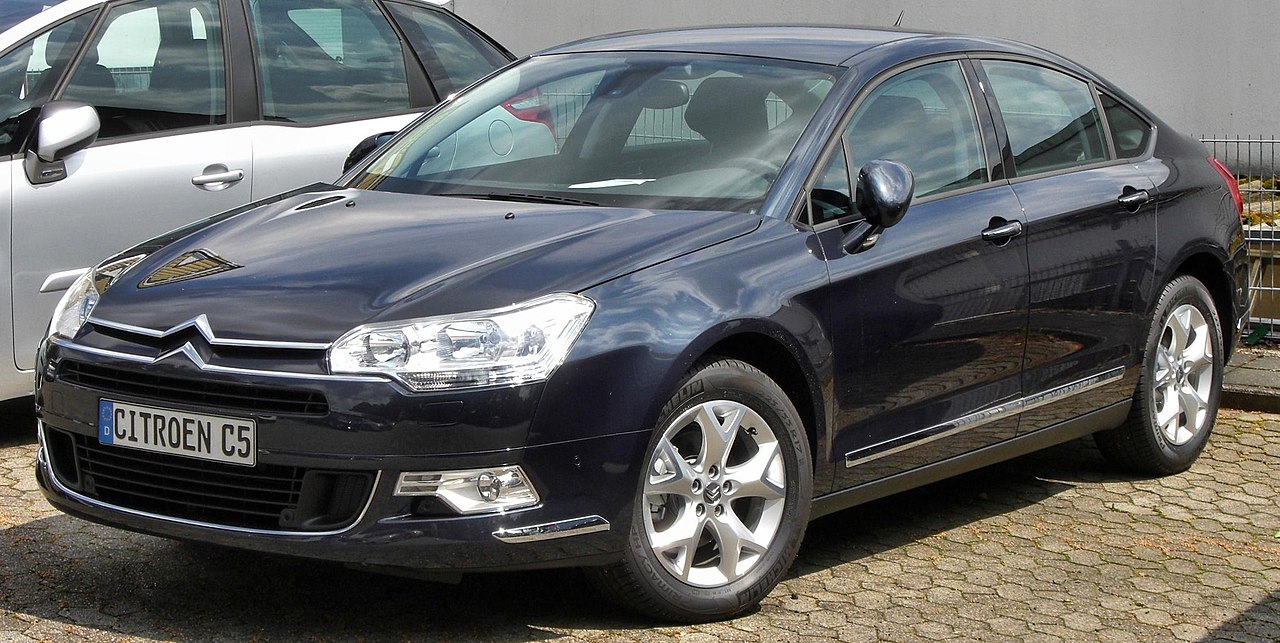
The Citroën C5 is a mid-size family car produced by Citroën. Launched to succeed the Xantia, it arrived on the market in 2001. The model emphasizes passenger comfort and practicality and has been offered primarily as a five-door hatchback and as an estate (Tourer) body style.
Image gallery
10 Images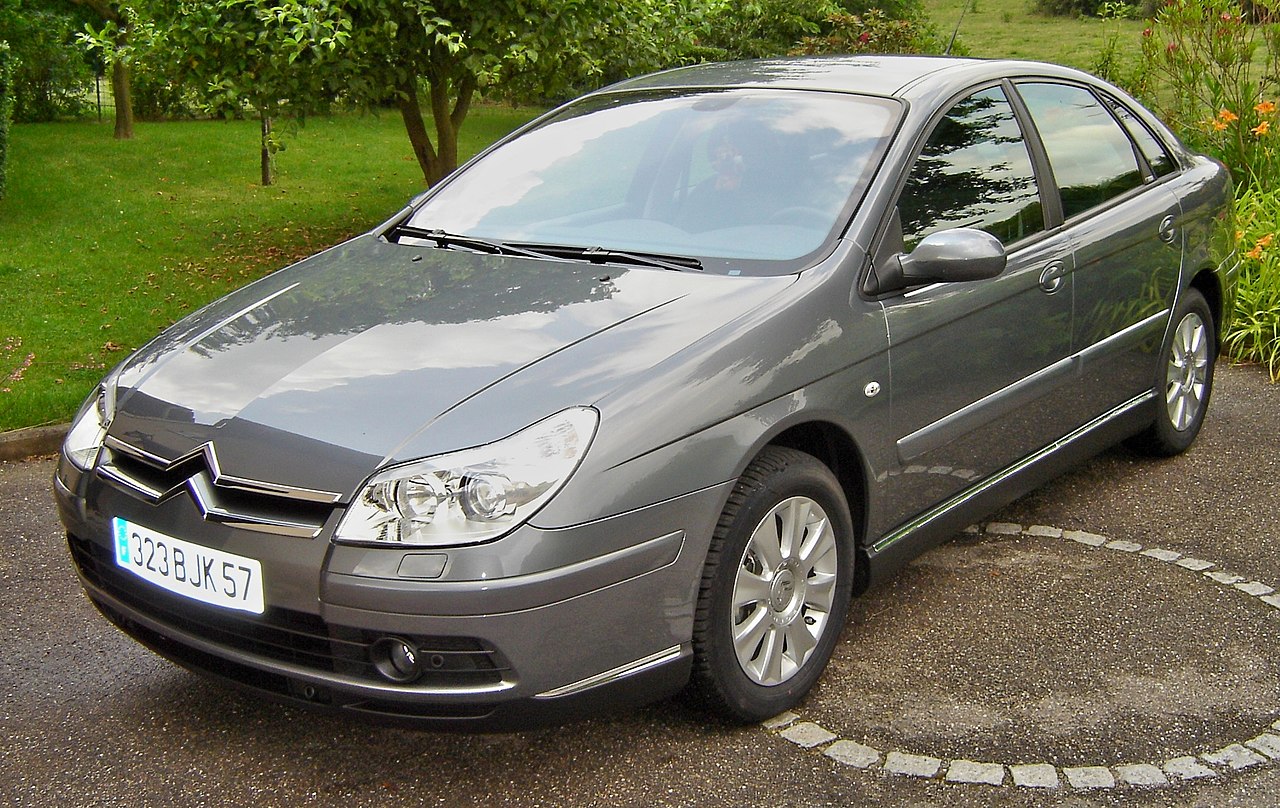


Design and characteristics
The C5 combines conventional front-wheel-drive architecture with body proportions typical of the D-segment. Interiors are generally roomy for the class, with emphasis on seating comfort and noise insulation. Equipment levels over the years included multiple airbags, ABS and electronic stability aids, and a range of convenience features tailored to long-distance comfort.
Suspension and driving experience
A notable characteristic of many C5 models is Citroën's long tradition of innovative suspension. Various generations offered advanced hydraulic or electronically controlled suspension systems intended to deliver a smooth, composed ride—often prioritizing comfort over outright handling sharpness.
History and development
The first generation replaced the Xantia in 2001, and the line evolved through facelifts and mechanical updates. The C5 entered its second generation in 2008, which brought revised styling, updated engines and further refinement of chassis and interior quality.
Engines, markets and uses
Across its life the C5 was available with a range of petrol and diesel engines to suit European markets in particular. It is commonly used as a family car and company vehicle, valued where comfortable long-distance cruising and load flexibility are priorities.
Notable distinctions
- Comfort focus: ride quality and suspension innovation.
- Body variety: hatchback and estate choices for practical use.
- Segment role: positioned as a competitor in the D-segment with emphasis on value and comfort.
For more detailed specifications, reviews and model timelines see manufacturer and specialist sources: Citroën information, historical overviews at Xantia/C5 lineage pages, and model year summaries at 2001 launch notes and 2008 second-generation coverage.
Related articles
Author
AlegsaOnline.com Citroën C5 — mid-size family car by Citroën Leandro Alegsa
URL: https://en.alegsaonline.com/art/20517