
Citroën Evasion
Large MPV produced by Citroën from 1994 to 2002, developed in a multi-brand European collaboration and notable for flexible seating, sliding doors and practical family transport use.
Overview
The Citroën Evasion is a large multi-purpose vehicle (MPV) introduced in 1994 and produced until around 2002. Conceived as a family- and people-carrier, it was designed to prioritise interior space, flexible seating arrangements and easy access with sliding side doors. The vehicle formed part of a wider European co-operation project and is often grouped with its mechanically related contemporaries.
Image gallery
10 Images




Design and key characteristics
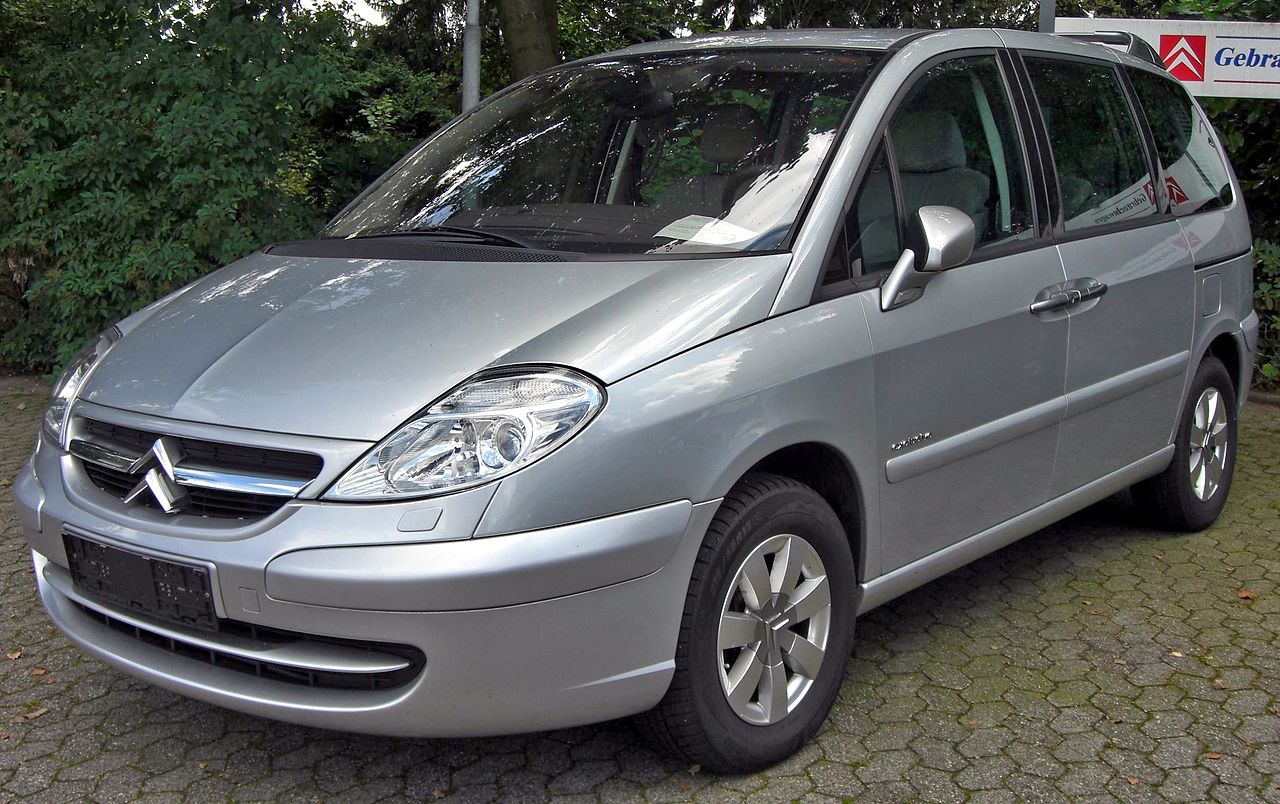
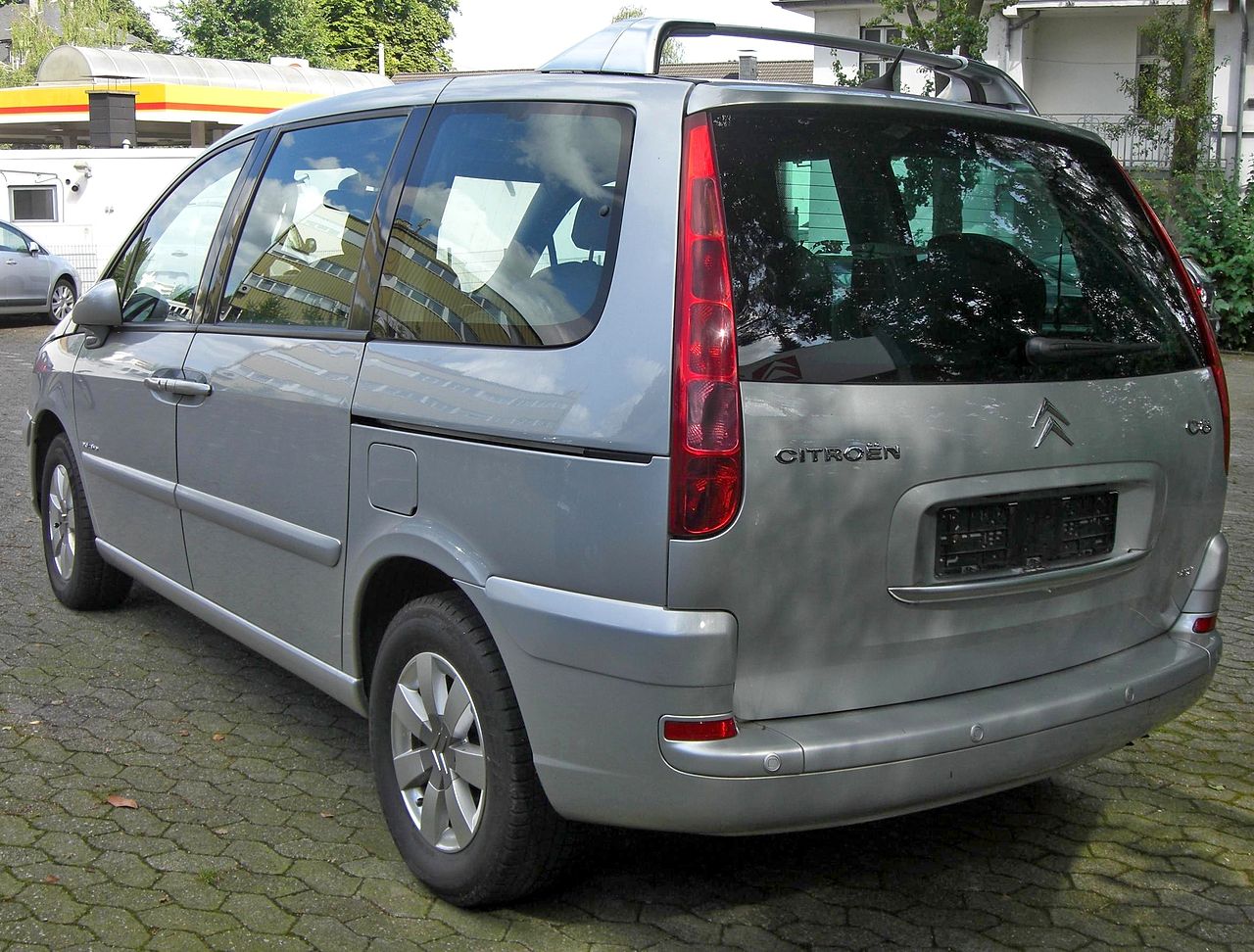
The Evasion adopted the typical 1990s MPV silhouette: a tall roofline for headroom, a roomy cabin and a practical, straightforward exterior. Most versions offered seating for six or seven passengers, with rear seats that could be folded, tumbled or removed to increase load capacity. Sliding doors on one or both sides improved access in tight parking spaces and made the car convenient for families and shuttle operators.
- Body type: five-door MPV with sliding rear doors
- Seating: flexible 6–7 passenger layouts with removable or folding seats
- Layout: front-wheel drive architecture shared with sister models
- Powertrains: a range of four-cylinder petrol and diesel engines, available with manual and some automatic transmissions
Development and production
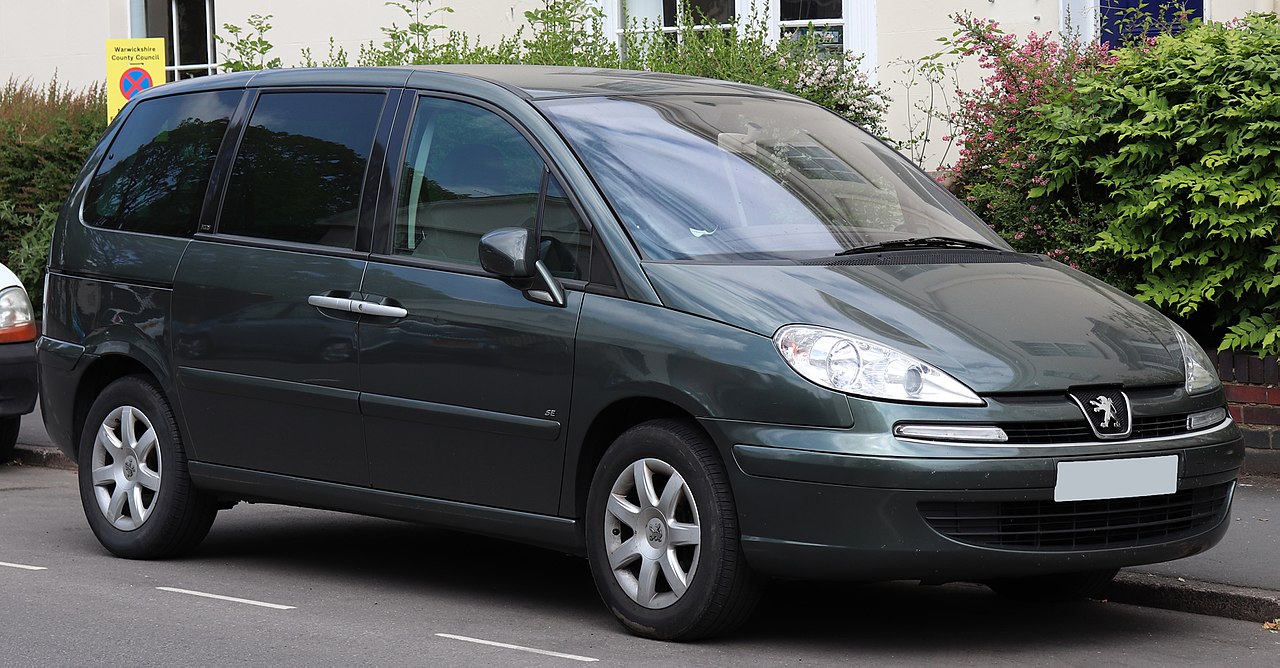
The Evasion was produced as part of a joint venture between several European manufacturers to share development costs and components. It was built alongside related models at the Sevel Sud plant in Italy and shared its basic structure with vehicles such as the Fiat Ulysse and the Peugeot 806, while being visually and technically differentiated by brand-specific styling, trim and equipment. The Lancia Zeta is another closely related variant from the same cooperative programme.
Equipment, safety and variants
Specification levels varied over the model range and production run. Common equipment included multiple seating arrangements, practical storage solutions and options such as air conditioning and radio. Safety features evolved during the lifetime of the Evasion: later versions offered driver and passenger airbags, anti-lock braking systems and improved passive protection compared with early 1990s MPVs. Many versions included dedicated anchor points or fittings to secure child seats.
Use and market role
During its production life the Evasion was used predominantly as a family car but also found use as a people-mover for small commercial operations, taxis and airport shuttles. Its combination of space and comfort made it a practical alternative to small vans when passenger carrying was required. The platform also proved suitable for conversions, including basic camper and mobility adaptations.
Successor and legacy
Production ended in the early 2000s as MPV design trends and safety standards advanced. The Evasion was effectively replaced in Citroën’s line-up by more modern MPVs that offered updated styling and equipment. Today the Evasion is remembered for its practicality and for being part of a notable era of cross-manufacturer collaboration in the European automotive industry.
Related articles
Author
AlegsaOnline.com Citroën Evasion Leandro Alegsa
URL: https://en.alegsaonline.com/art/20519