
Citroën Berlingo
Compact panel van and passenger MPV by Citroën introduced in 1996, produced in multiple generations and sold alongside a Peugeot twin; known for a boxy, modular design and utility-focused versatility.
Overview
The Citroën Berlingo is a compact light commercial vehicle and passenger-oriented leisure activity vehicle produced by Citroën. Launched in 1996, the model line has been developed through three main generations and is the result of close collaboration within the same industrial group that produces the mechanically similar Peugeot Partner. The Berlingo is offered in panel-van form for trade use and in windowed, multi-seat forms for family and recreational use.
Image gallery
10 Images


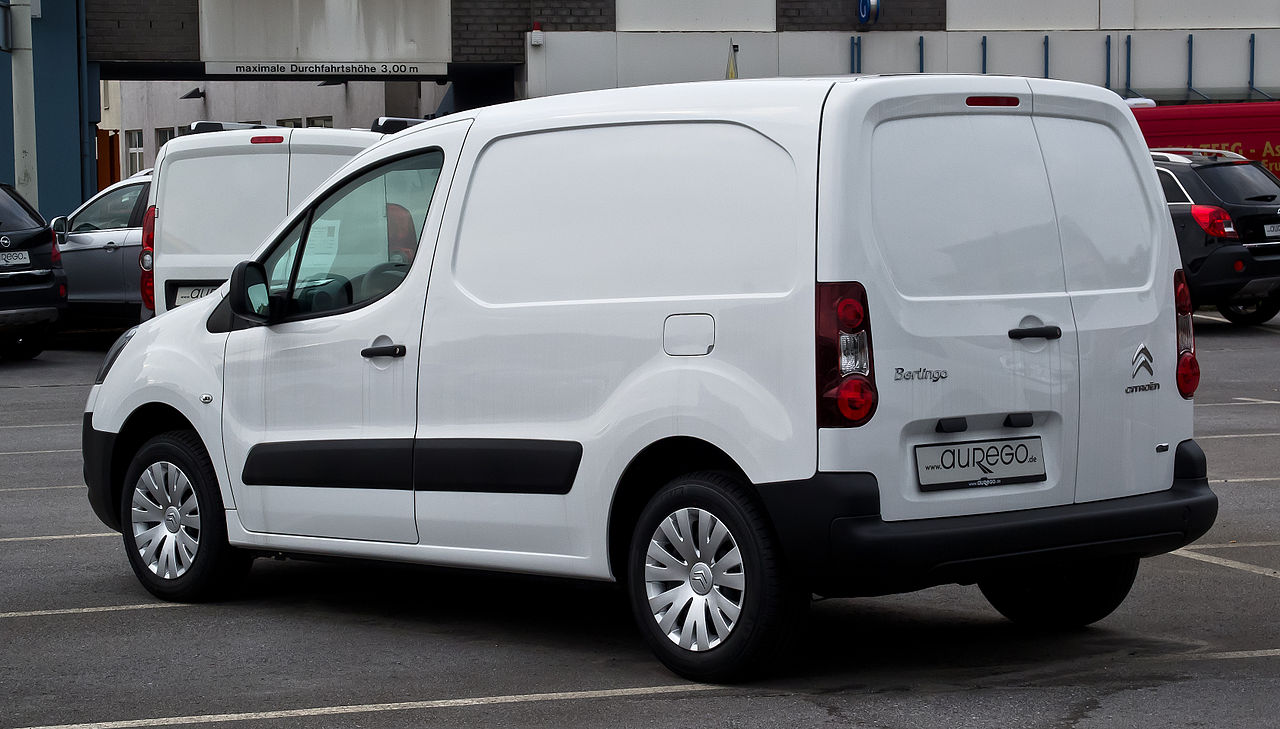


Design and key characteristics
The Berlingo is notable for its tall, box-like silhouette that prioritizes interior volume and load flexibility. Typical features include sliding side doors, a high roofline, a low load floor and easily configurable seating in passenger versions. These traits make the vehicle well suited to short-distance deliveries, tradespeople, small businesses and families who need extra cargo room.
Common variants
- Panel van: basic commercial body with an emphasis on cargo space and durability.
- Passenger MPV: fitted with windows and more comfortable trim, intended for family or leisure use; sometimes marketed as a leisure activity vehicle or multi-space model (van and leisure activity variants).
- Electrified versions: in recent years electrified and battery-electric variants have been offered to meet urban emissions requirements.
Generations and development
- First generation: introduced in 1996, establishing the basic formula of a compact, practical utility vehicle. See historical references to its launch from 1996.
- Second generation: a comprehensive update that refined packaging, comfort and safety while keeping the same core role.
- Third generation: further modernisation with updated styling, improved interiors, and the addition of electrified powertrains and modular seating solutions.
Powertrains and technical notes
Over its lifetime the Berlingo has been offered with a range of conventional petrol and diesel engines appropriate for light commercial duty, and more recently with battery-electric drivetrains aimed at urban operators and environmentally conscious buyers. The platform and mechanical components are shared with closely related models from the same manufacturer group, most notably the Peugeot Partner, which is a badge-engineered counterpart marketed under the Peugeot brand.
Uses, markets and significance
The Berlingo occupies an important niche between small vans and larger commercial vehicles. Its flexibility has led to widespread use by delivery companies, tradespeople and families needing versatile space. It is often chosen for conversions — such as camper adaptations or mobility-accessible layouts — because of its regular shape and practical interior. Across many markets the Berlingo is regarded as a reliable and economical choice for those wanting compact utility without the bulk of a full-size van.
Notable facts and distinctions
Although several manufacturers offer similar compact vans, the Berlingo is distinguished by its long production run, the variety of body styles, and its role as part of a family of vehicles produced in cooperation across brands within the same industrial group. Buyers typically compare it with other compact utility vehicles on dimensions such as payload, cabin comfort and available technology. For more manufacturer information and specifications consult official sources and regional brochures.
For related models and details, see information shared between the Berlingo and its sibling models in the same group, and consult trade literature for exact technical specifications and options.
Related articles
Author
AlegsaOnline.com Citroën Berlingo Leandro Alegsa
URL: https://en.alegsaonline.com/art/20514