
Citroën 2CV: design, history and cultural impact
The Citroën 2CV is an economical, utilitarian small car produced by Citroën from 1949 to 1990. Known for its simple engineering, fabric roof and rugged suspension, it became a lasting icon of postwar motoring.
The Citroën 2CV was a compact, low-cost automobile built by Citroën and manufactured in series beginning in 1949 until production ended in 1990. Popularly called the "Tin Snail" for its rounded, distinctive shape, the model's name — 2CV or "deux chevaux" — refers to a French tax horsepower class rather than its actual engine output. It was conceived as an inexpensive car to mobilise rural families and withstand the poor road surfaces common in the mid-20th century.
Image gallery
10 Images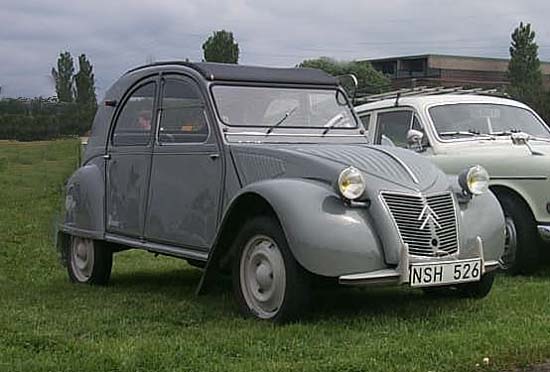



Design and defining features
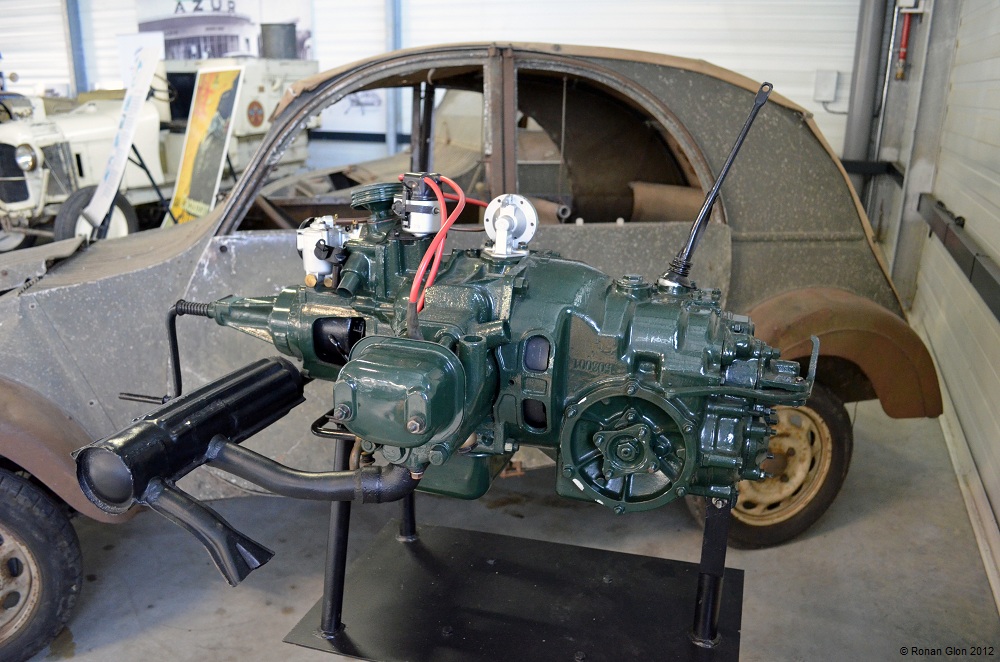
From the outset the 2CV emphasized extreme simplicity, utility and frugality. Its salient features included an air-cooled two-cylinder engine, front-wheel drive, a roll-back fabric roof that increased cargo flexibility, and an unusually soft, long-travel suspension aimed at delivering comfort over rough terrain. Bodywork and mechanicals were designed for easy maintenance and low running costs, making the car economical to buy and repair.
- Air-cooled flat-twin engine — compact and simple.
- Very soft suspension with long travel for comfort on poor roads.
- Removable or fold-flat seats and a large fabric sunroof for cargo versatility.
- Minimalist interior and easily serviced mechanical layout.
Origins and development
The 2CV grew from prewar research into an affordable, efficient rural car and was developed under Citroën management after World War II to meet the needs of a recovering Europe. Designers and engineers sought to combine low cost with surprising practicality: famously, the design brief included the ability to carry a basket of eggs across a ploughed field without breaking them. The simple silhouette was refined by the company's styling team and its engineering was kept intentionally straightforward.
Variants, production and legacy
Over its long production run the 2CV spawned many variants, including light commercial vans, estate-like models and unusual specialist versions such as the rare twin‑engine 4x4 Sahara. Engines and equipment were gradually updated, with later versions offering more power and improved comfort while retaining the car's basic character. Several million examples were produced and the 2CV became a symbol of practical motoring and French automotive culture.
Today the 2CV is celebrated by collectors, preserved in museums and still seen at rallies and cultural events. Its influence persists as an example of how minimalist design and thoughtful engineering can create an affordable, durable vehicle that meets everyday needs while earning a lasting place in popular memory.
Related articles
Author
AlegsaOnline.com Citroën 2CV: design, history and cultural impact Leandro Alegsa
URL: https://en.alegsaonline.com/art/20512