
Christina Rossetti — English Victorian poet
English Victorian poet (1830–1894) known for Goblin Market, devotional verse and children's poems. Her concentrated lyric style and religious themes made her a distinctive voice in 19th‑century literature.
Christina Georgina Rossetti (5 December 1830 – 29 December 1894) was a prominent English poet of the Victorian era. Her work spans short lyrics, narrative poems, devotional pieces and children’s verse. Often noted for its economy of language and strong emotional resonance, her poetry explores faith, memory, desire and domestic life while embracing forms ranging from ballads to hymns.
Image gallery
8 Images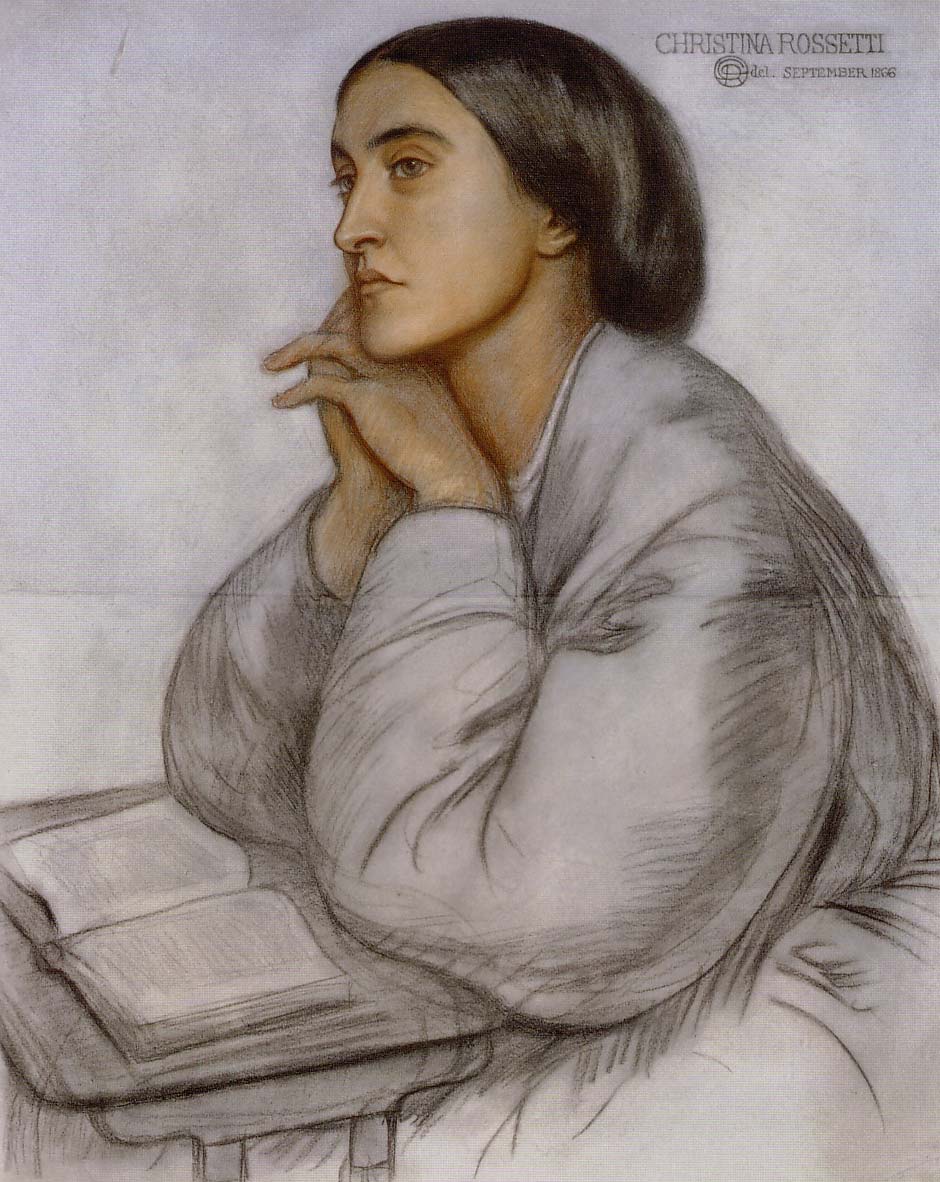



Life and context
Born in London into an Italianate literary and artistic household, Rossetti was part of a circle that included members of the emerging Pre‑Raphaelite movement without herself being a visual artist. Her family background and religious devotion shaped much of her outlook. She remained unmarried and devoted a large part of her energies to writing, church work and family responsibilities, producing work that reflected both personal feeling and wider Victorian concerns about gender, piety and social duty.
Work, themes and style
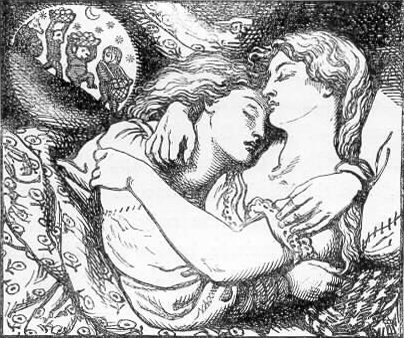
Rossetti's poetry is characterized by compact phrasing, concentrated imagery and controlled musicality. Frequent themes include loss and remembrance, spiritual longing, temptation and the nuances of domestic love. Several of her poems adopt the voice and forms of nursery rhyme and balladry, while others are explicitly devotional and were used in hymnody. Her handling of ambiguous desire and moral conflict invites readings that have ranged from orthodox religious interpretation to feminist and psychological critique.
Major poems and reception
- "Goblin Market" — a narrative poem widely anthologized and debated for its symbolic complexity.
- Short lyrics such as "Remember" and "Up‑Hill" — examples of her concise, memorable lines.
- Hymn‑like pieces including settings later adapted by composers — among them musical arrangements that brought her words into church repertoire.
During her lifetime and afterward Rossetti was both celebrated and reinterpreted: admired for technical skill and for the moral clarity of much devotional work, yet also the subject of modern critical reassessment that emphasizes ambiguity and gendered readings.
For further introductory material, see a brief note on her birthplace and biography, a general overview of Victorian poetry, a catalogue of her major poems, discussions of religious themes and modern critical perspectives at specialist resources.
Related articles
Author
AlegsaOnline.com Christina Rossetti — English Victorian poet Leandro Alegsa
URL: https://en.alegsaonline.com/art/20127