
Chris Christie 2016 presidential campaign
Overview of Chris Christie's 2016 presidential bid: announcement, themes, challenges including Bridgegate, withdrawal, and the campaign's legacy in the Republican primary.
Overview
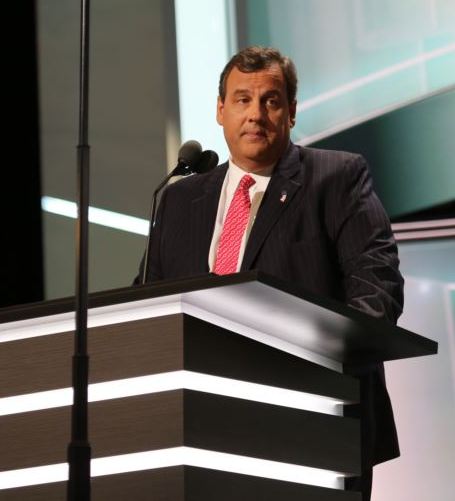
Chris Christie, the two-term Governor of New Jersey, launched a campaign for the 2016 Republican presidential nomination with a formal announcement on June 30, 2015 in his hometown. He presented himself as an experienced executive with a record on budgets and crisis management. For campaign materials and initial statements he used an official campaign presence, and his prior gubernatorial service was a central credential cited throughout the race. Campaign site and a biographical profile of his governorship are frequently referenced in contemporary coverage; the launch event took place in his hometown of Livingston. Governor biography Livingston announcement.
Image gallery
5 Images


Campaign themes and platform
Christie's message combined fiscal conservatism, support for a robust national defense, and a law-and-order stance informed by his tenure as a prosecutor and governor. He emphasized experience managing a large state government and handling emergencies, including his public role during Hurricane Sandy recovery efforts. At times he sought to position himself as a pragmatic Republican able to reach swing or independent voters while maintaining core party positions.
Timeline and key events
During the campaign Christie participated in the early primary debates and toured the early voting states to build support among Republican primary voters. His appearances often focused on critiquing rivals' ideas and highlighting his executive background. The campaign received national attention but struggled to gain sustained traction in national polls and fundraising compared with several rival candidates.
Strengths and challenges
- Strengths: Executive experience, high-profile crisis management, and a reputation for direct, combative debate-style engagement.
- Challenges: Lingering political controversies from his time as governor, most notably the so-called "Bridgegate" lane-closure scandal that damaged political trust for some voters and was cited by critics and opponents during the run.
Withdrawal and aftermath
Facing modest polling numbers and limited campaign momentum, Christie suspended his bid in early February 2016. After leaving the race he remained an active figure in national Republican politics and at times offered public support to the party's eventual nominee. Analysts of the 2016 primary later described his campaign as an effort that elevated his national profile but ultimately foundered under a crowded and highly competitive field.
Legacy and significance
Christie's 2016 campaign is often cited as an example of a high-profile governor who leveraged executive credentials into a national bid but encountered the twin obstacles of intra-party competition and reputational damage from past controversies. It illustrates how state-level accomplishments and crisis leadership can become both assets and liabilities in a presidential primary context.
Related articles
Author
AlegsaOnline.com Chris Christie 2016 presidential campaign Leandro Alegsa
URL: https://en.alegsaonline.com/art/20021
Sources
- twitter.com : "Less than 10 out. I'm ready. #TellingItLikeItIspic.twitter.com/DjB67uZpCg"
- cnn.com : "Chris Christie suspends campaign"