
Amateur radio (ham radio): hobby, technology, and public service
Amateur radio, or ham radio, is a licensed hobby and service that uses radio transmitters and receivers for personal communication, technical experimentation, and emergency support across short and long distances.
Amateur radio, commonly called ham radio, is a noncommercial hobby and volunteer service in which licensed individuals use radio transmitters and receivers to communicate, experiment, and assist communities. Enthusiasts value the technical challenge of building and operating stations, the social connections made with people around the world, and the role amateur radio can play when other systems fail. For general background and membership resources see hobby resources.
Image gallery
10 Images


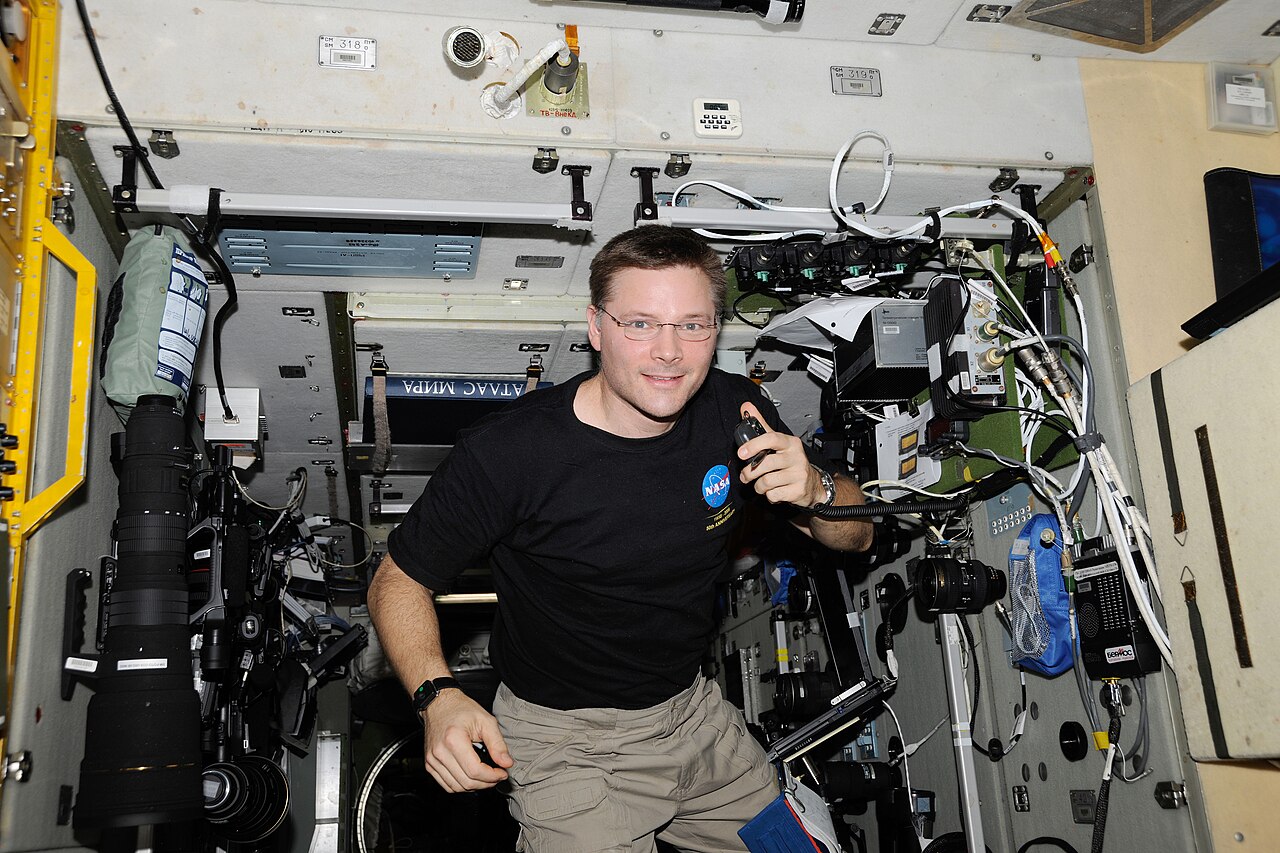


Equipment and technical characteristics
A typical amateur station includes a transceiver (a combined transmitter and receiver), antennas, power sources, and supporting accessories such as tuners and meters. Operators select frequency bands, power levels, and transmission modes according to their license privileges and interests. Common modes include Morse code (CW), voice (FM and SSB), and digital modes that encode data for text, images, or telemetry.
- Transmitter/Receiver: the radio unit that sends and receives signals; some operators use separate transmitter and receiver components.
- Antennas: designs range from simple wire dipoles to large directional arrays; antenna choice strongly affects range and performance.
- Power and accessories: from battery-powered portable setups to fixed stations with uninterrupted power and automated logging.
History, regulation, and licensing
The hobby grew from early wireless experimentation in the late 19th and early 20th centuries and has evolved with radio technology. Most countries require operators to hold a license that demonstrates basic technical knowledge and operating practices; licenses allocate access to specific frequency bands and privileges. Licensed amateurs receive unique call signs and must follow regulations that prevent harmful interference to other services.
Uses, community, and public service
Amateur radio serves many purposes: personal and international communication, technical experimentation, education, and emergency support. Operators form local clubs, participate in contests and awards, and run public demonstrations. During disasters or when conventional systems are overwhelmed, ham radio can provide critical links for situational reports, coordination, and requests for assistance. Volunteers often monitor emergency bands and relay distress messages to appropriate authorities.
- Emergency communications: a backup when telephones are unavailable; see resources about emergency role at emergency communications and disaster response examples at disaster response.
- Technical experimentation: testing antennas, propagation, and new digital protocols.
- Public events and education: supporting community events and teaching electronics and radio science.
Because amateur radio sometimes serves as the only functioning means of contact during crises, operators coordinate with civil authorities and first responders. When volunteers hear an urgent call they can notify local services such as the police or maritime rescue agencies; organizations and contact points vary by area and may include local authorities. Amateur radio complements but does not replace commercial systems like telephone networks during routine use.
Newcomers typically begin by studying for an entry-level license, learning basic operating procedure, radio safety, and etiquette. Communities and clubs provide mentorship, training, and organized activities for all ages. For further technical guides and community listings, consult regional amateur radio associations and online resources such as equipment and technical guides.
Questions and answers
Q: What is amateur radio?
A: Amateur radio is a hobby where people use radio transmitters to communicate with other amateur radio operators.
Q: Why do many people enjoy using amateur radio?
A: Many people enjoy using amateur radio to talk to other amateur radio hobbyists in other countries.
Q: What is amateur radio often called?
A: Amateur radio is often called "Ham Radio".
Q: How is amateur radio helpful during an emergency?
A: During an emergency, amateur radio can be used to get help when telephones do not work. It may be the only way to communicate.
Q: What are people who use Amateur radio often called?
A: People who use Amateur radio are often called amateur radio operators, hams or amateurs.
Q: What do some radio hobbyists do during an emergency?
A: Some radio hobbyists volunteer to listen to emergency band frequencies in case there are distress calls.
Q: What do the volunteers do if they hear a distress call during an emergency?
A: If the volunteers hear a distress call, they notify the appropriate authorities, such as the police or the Coast Guard.
Related articles
Author
AlegsaOnline.com Amateur radio (ham radio): hobby, technology, and public service Leandro Alegsa
URL: https://en.alegsaonline.com/art/3241