
Chilika Lake: major brackish-water lagoon of India's east coast
Chilika Lake is a large brackish lagoon on the east coast of India in Odisha, connected to the Bay of Bengal. It is a biodiversity hotspot, important for fisheries, migratory birds and coastal livelihoods.
Overview
Chilika Lake is one of the largest coastal lagoons on the Indian subcontinent, located in the state of Odisha. The lagoon is a shallow, tidal body of water that mixes freshwater from rivers with saline water from the sea, making it a classic brackish ecosystem. It is linked to the Bay of Bengal through one or more tidal inlets, and its ecology is shaped by changing salinity, monsoon flows and tidal exchange.
Image gallery
10 Images



Characteristics
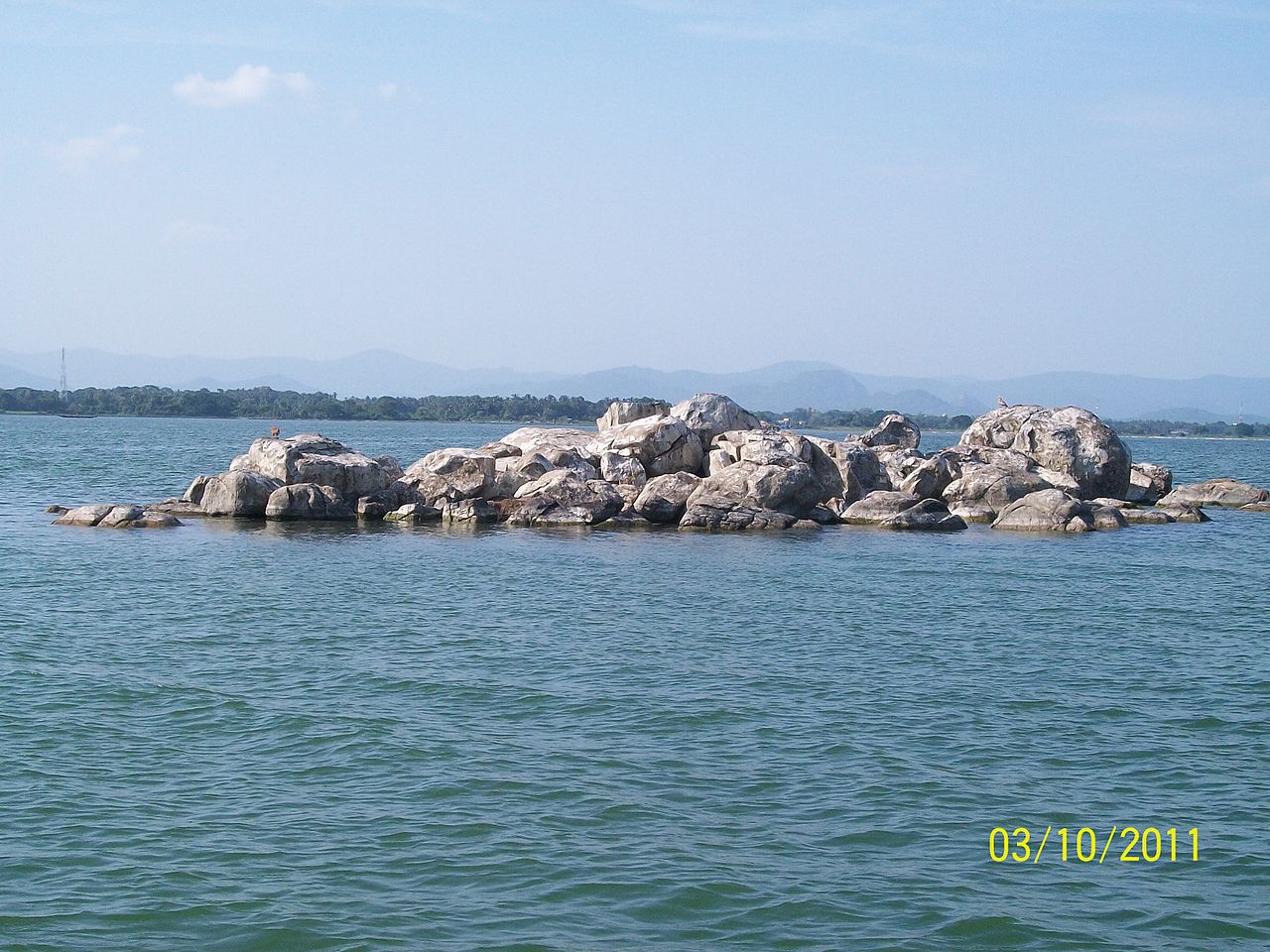
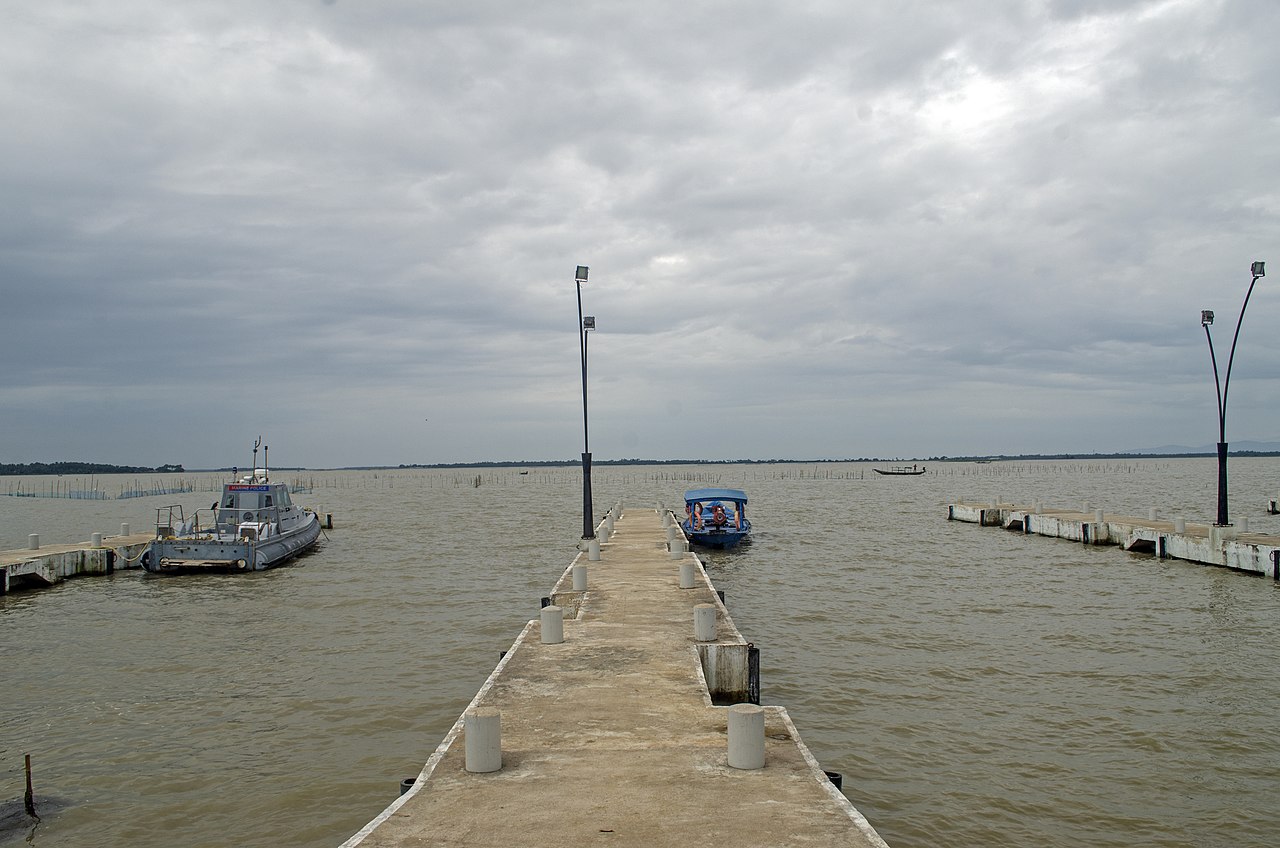
Chilika contains a mosaic of habitats: open water, mudflats, marshes and small islands. Salinity varies across the lagoon and seasonally, producing zones that support different plants and animals. The lake is shallow, supports extensive fisheries and provides nursery grounds for important coastal species. One of its central islands is maintained as a bird sanctuary and attracts large numbers of waterbirds.
History and management
The lagoon has long been vital to surrounding communities for fish, crab and reed harvests and for safe harbors. Over decades, natural sedimentation and human activities altered the lake’s connection to the sea, affecting fisheries and bird concentrations. State and local authorities have since implemented engineering and ecological measures to restore tidal flow and manage resources, while balancing livelihood needs and conservation goals.
Ecological and economic importance
- Important habitat for resident and migratory waterbirds—many visitors arrive seasonally to feed and breed.
- Supports commercial and subsistence fisheries that sustain coastal villages.
- Home to charismatic fauna such as coastal dolphin species and diverse fish and crustacean populations.
Conservation and threats
Chilika is recognized for its international wetland value and is managed as a multiple-use landscape. Ongoing pressures include siltation, pollution, unregulated fishing and the impacts of coastal development and climate variability. Conservation efforts combine habitat protection, regulated fishing, monitoring and community participation to maintain the lagoon’s productivity and biodiversity.
Notable distinctions
The lake is widely cited as the largest brackish-water lagoon on India’s east coast and is considered a key coastal wetland in the region. It illustrates the complex trade-offs of conserving a productive natural system that also supports dense human populations and livelihoods.
Related articles
Author
AlegsaOnline.com Chilika Lake: major brackish-water lagoon of India's east coast Leandro Alegsa
URL: https://en.alegsaonline.com/art/19694