
Chinatown, Singapore: history, character and cultural significance
Chinatown in Singapore is a historic ethnic precinct in Outram with preserved shophouses, temples and hawker culture. It blends heritage conservation with modern tourism and evolving community life.
Overview
Chinatown is a well‑known precinct in the Central Area of Singapore, located within the Outram district. Historically the focal point for Chinese immigrants, it developed distinct streetscapes and institutions associated with Chinese culture. The area is commonly referred to by local names in multiple languages: 牛车水 (Hokkien), Kreta Ayer (Malay), and சைனா டவுன் (Tamil). For administrative and visitor information it is often grouped with the wider Outram neighbourhood Outram.
Image gallery
10 Images




Character and features
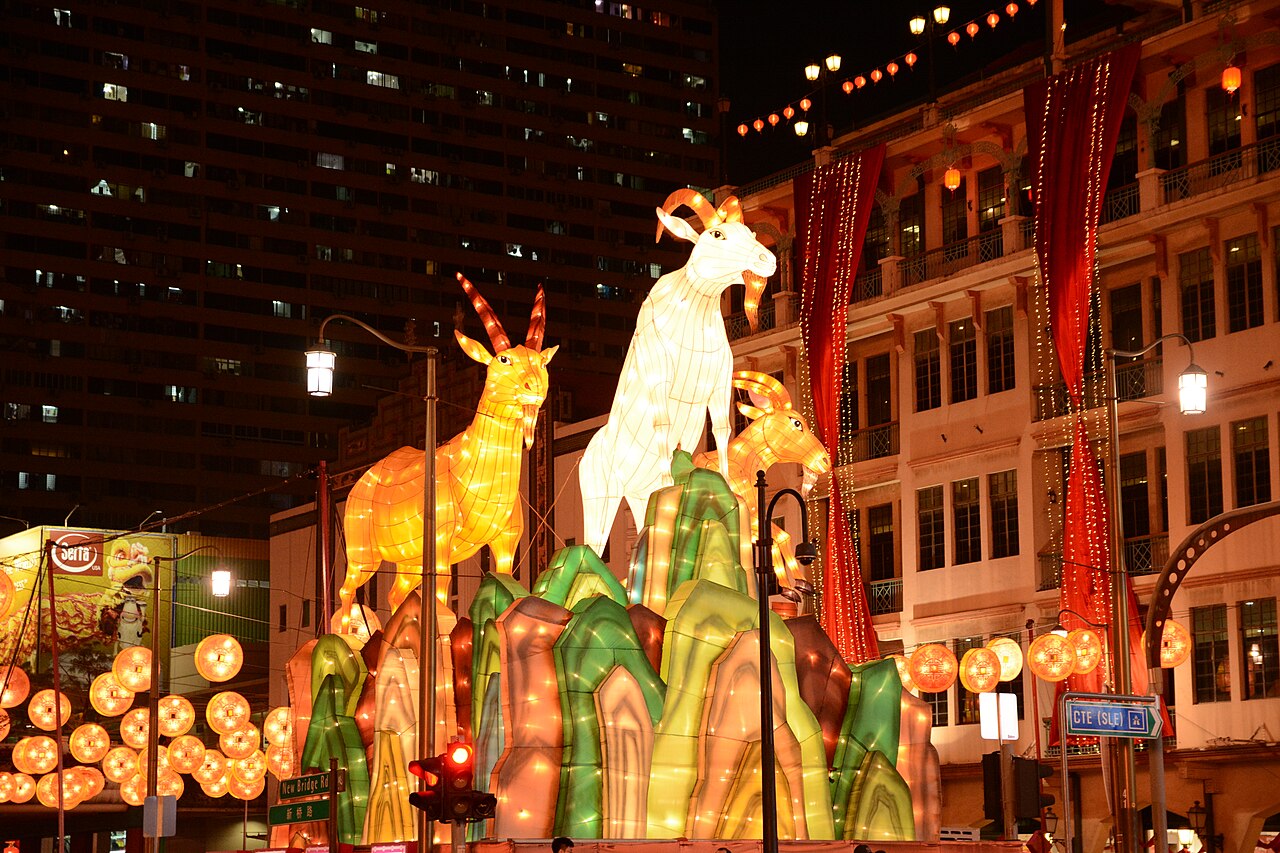
Chinatown is characterized by rows of colorful two‑ and three‑storey shophouses, narrow alleys, street markets and a concentration of religious and communal buildings. Architecturally, the conservation zone preserves historic facades, wooden shutters and tiled roofs alongside modern uses. Key everyday features include hawker centres and food stalls, markets selling traditional goods, and a mix of small businesses that serve both residents and visitors.
History and development
The precinct grew up in the 19th century as part of colonial Singapore's urban pattern, when many Chinese arriving from southern China settled near the Singapore River. Over time clan associations, temples and shops established social and economic networks. In the late 20th century, urban redevelopment and deliberate conservation efforts sought to protect notable streets and buildings while adapting them for new uses such as boutiques, cafés and cultural venues.
Uses, festivals and importance
Today Chinatown functions as a living heritage area and a major destination for cultural tourism. It is especially lively during festivals such as the Lunar New Year, when streets are decorated and traditional performances occur. The precinct also houses museums, temples, community services and food centres that document and continue Chinese cultural practices in Singapore.
Notable distinctions
- Multilingual identity: the precinct’s names in Hokkien, Malay and Tamil reflect Singapore’s linguistic diversity.
- Conservation: large sections are protected for their historical and architectural value, combining preservation with adaptive reuse.
- Changing social fabric: Chinatown is less of an exclusive ethnic enclave than in the past, now shaped by tourism, gentrification and mixed residential and commercial uses.
As both a heritage site and an active urban quarter, Chinatown illustrates how historical immigrant neighbourhoods can be conserved and reinvented within a modern city.
Questions and answers
Q: What is Chinatown and where is it located?
A: Chinatown is a subzone and ethnic enclave located within the Outram district in the Central Area of Singapore.
Q: What is the significance of Chinatown?
A: Chinatown has had a historically concentrated ethnic Chinese population and features distinctly Chinese cultural elements. Large sections of it have been declared national heritage sites officially designated for conservation by the Urban Redevelopment Authority.
Q: Has Chinatown remained the same over time?
A: No, Chinatown is considerably less of an enclave than it once was.
Q: What is the Chinese name for Chinatown?
A: The Chinese name for Chinatown is 牛车水 (Niu Che Shui).
Q: What is the Malay name for Chinatown?
A: The Malay name for Chinatown is Kreta Ayer.
Q: What is the Tamil name for Chinatown?
A: The Tamil name for Chinatown is சைனா டவுன் (China Thaavun).
Q: Who has declared large sections of Chinatown as national heritage sites?
A: The Urban Redevelopment Authority has declared large sections of Chinatown as national heritage sites.
Related articles
Author
AlegsaOnline.com Chinatown, Singapore: history, character and cultural significance Leandro Alegsa
URL: https://en.alegsaonline.com/art/19740