
Chief Joseph (Hin-mah-too-yah-lat-kekt) — Nez Perce leader and advocate
Chief Joseph (c.1840–1904), known as Hin-mah-too-yah-lat-kekt, led the Nez Perce during the 1877 conflict, sought peaceful negotiation, and became a lasting symbol of Native American resistance and dignity.
Overview
Chief Joseph, commonly recorded as Hin-mah-too-yah-lat-kekt and often translated as "Thunder Rolling Down the Mountain," was a principal leader and diplomat of the Nez Perce people in the 19th century. Born about 1840 in the territory now straddling Oregon, Washington and Idaho, he rose to prominence after his father, a chief and respected leader, died. Joseph is best known for his efforts to preserve Nez Perce lands and life ways in the face of expanding American settlement, his tactical skill during the 1877 conflict often called the Nez Perce War, and his eloquent appeals for justice and humane treatment of his people.
Image gallery
10 Images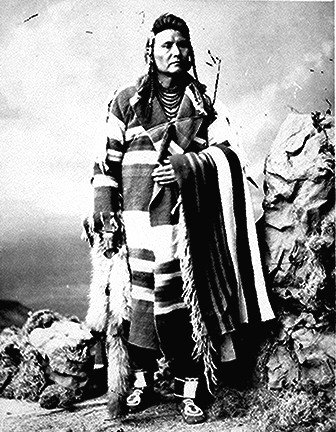


Early life and leadership
The Nez Perce were a widely distributed people with villages across the Columbia Plateau. Their economy combined fishing, hunting, and camas-root gathering with seasonal patterns adapted to the region. By the mid-19th century the arrival of settlers and prospectors, especially after gold discoveries, strained treaties and created pressure to reduce tribal lands to smaller reservations. Joseph sought to navigate these pressures through negotiation as well as, when necessary, measured resistance. He attempted to maintain peace and to protect the graves and homes of his people while resisting policies that would remove them far from ancestral territory.
Causes and course of the 1877 conflict
Tensions escalated when the United States government and settlers insisted that all Nez Perce move to a reduced reservation established in Idaho, contrary to earlier agreements and the wishes of many bands. Refusing to be hurried away from homelands and sacred places, several Nez Perce bands left the reservation rather than surrender their independence. In 1877 armed clashes began between U.S. Army forces and groups of Nez Perce, some led by Joseph and others led by warriors from related bands. Joseph became the military and political focal point during a long, mobile campaign in which Nez Perce fighters and noncombatant refugees attempted to reach safety outside U.S. control.
Retreat, surrender, and famous words
During the campaign the Nez Perce conducted a strategic fighting retreat, winning several engagements despite being outnumbered and increasingly deprived of food and supplies. Their goal was to reach Canada and find refuge, and along the way they sustained many noncombatants. Exhausted and unable to continue after sustained pursuit and losses, Chief Joseph surrendered in October 1877. At that time he is reported to have delivered a short, mournful statement, often paraphrased in English as "I will fight no more forever," words that have been memorialized in accounts of the episode and used as a symbol of the sorrow and dignity of the Nez Perce experience.
Exile, petitions, and later life
After surrender, Joseph and many of his people were removed from the Pacific Northwest and held in places far from their homeland. They spent years in exile, first at military posts and later in territories distant from their ancestral lands. Joseph traveled to Washington, D.C., seeking to present his people's case to federal authorities and to plead for fair treatment; he met officials and appealed directly for sympathy and justice. Despite his efforts, immediate restoration of the Nez Perce to their original lands did not occur in his lifetime. He spent his final years on a reservation in Washington State, where he continued to speak for his people until his death in 1904.
Legacy and recognition
Chief Joseph remains a widely recognized figure in American history. He is remembered for his combination of military skill, restraint, and moral witness. Historians and the public often cite his restraint in battle, his persistent efforts to seek peaceful solutions, and his dignified public statements as reasons for his lasting reputation. His life raises questions about treaty rights, forced removals, and the human cost of American expansion. Today Joseph is commemorated in monuments, writings, and public memory as an emblematic leader who sought the survival and humanity of his people against overwhelming odds.
Notable facts
- Native name: Hin-mah-too-yah-lat-kekt, commonly glossed as "Thunder Rolling Down the Mountain."
- He led Nez Perce bands from the plateau regions and resisted removal from ancestral lands.
- After the 1877 campaign he surrendered and spent years in exile before living his later life on a reservation in Washington State.
- His reported surrender address, often shortened to "I will fight no more forever," became a widely quoted expression of defeat and moral appeal.
- For further context on the people he led, see Nez Perce tribal history and regional histories of the Pacific Northwest.
Where to learn more
Research on Chief Joseph intersects studies of treaty law, U.S. Indian policy, and the cultural history of Plateau peoples. Readers seeking additional information can consult museum collections, biographies, and tribal sources. Authoritative overviews and primary documents provide detailed timelines and multiple perspectives on events of 1877 and their aftermath. Useful starting points include tribal histories and regional archives available through libraries and reputable institutions: tribal resources, federal records summaries, and interpretive materials at public history centers. For broader context on 19th-century policies and conflicts, consult general works on American westward expansion and Native American resistance in the United States.
Related articles
Author
AlegsaOnline.com Chief Joseph (Hin-mah-too-yah-lat-kekt) — Nez Perce leader and advocate Leandro Alegsa
URL: https://en.alegsaonline.com/art/19591
Sources
- britannica.com : britannica.com