
Chicago (That Toddlin' Town)
A popular 1922 Tin Pan Alley song by Fred Fisher that praises the city's energy. Widely recorded, notably by Frank Sinatra, and used in films; the tune became part of Chicago's cultural image.
"Chicago (That Toddlin' Town)" is a popular American song composed by Fred Fisher and published in 1922. With an upbeat melody and playful lyrics, it celebrates the vitality and nightlife of Chicago in the early 20th century. The phrase "That Toddlin' Town" became a memorable nickname tied to the song and the city's popular image.
Image gallery
2 Images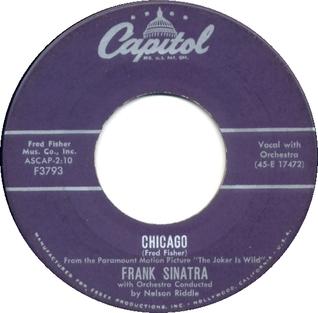

Origins and composer
Fred Fisher, a songwriter associated with Tin Pan Alley, wrote the music and lyrics. The tune fits the conventions of 1920s popular song—catchy, singable, and suitable for dance bands and vaudeville performers of the era. Fisher's composition captured a mix of civic pride and urbane swagger that made it attractive to entertainers and audiences beyond Chicago.
Lyrics and themes
The words of the song paint the city as lively and irresistible, and one frequently cited line mentions evangelist Billy Sunday and quips that even he could not "shut down Chicago." That lyric plays on Sunday’s historical role as a crusading preacher and on the city’s reputation for resilience and revelry.
Recordings, film appearances, and legacy
Over the decades the song has been recorded by many artists in jazz and popular music. The best-known recorded version for modern audiences is by Frank Sinatra, whose phrasing and swing helped keep the tune in the public ear. The song also appeared in cinema, including H.C. Potter’s 1939 film The Story of Vernon and Irene Castle, where period songs were used to evoke earlier decades.
- Published: 1922; composer: Fred Fisher.
- Nickname: often called "That Toddlin' Town" after the song's chorus.
- Notable uses: numerous recordings and film placements have kept the song familiar to audiences.
- Distinction: the Fisher song is independent of later stage works titled "Chicago" and is part of an older popular-music tradition.
Today the song remains a recognized piece of Americana. It appears in collections of early popular music and is performed by traditional jazz and big-band ensembles when programmers wish to evoke the 1920s–1940s era. As a short, spirited tribute to a major American city, it continues to be referenced when writers, musicians, and historians recall Chicago’s cultural life in the early twentieth century.
Related articles
Author
AlegsaOnline.com Chicago (That Toddlin' Town) Leandro Alegsa
URL: https://en.alegsaonline.com/art/19536