
Chauffeur: professional private driver and specialist attendant
A chauffeur is a paid driver who transports passengers in private or luxury vehicles, often providing additional services such as door assistance, route planning, and secure transport for individuals or organizations.
A chauffeur is a professional whose primary job is to drive passengers in a vehicle and provide a high level of service beyond simply operating the car. The term commonly applies to drivers of luxury passenger vehicles such as sedans, town cars, and limousines, but it can be used more broadly for anyone employed to transport people in a private capacity. For general background and definitions see professional driver resources.
Image gallery
4 Images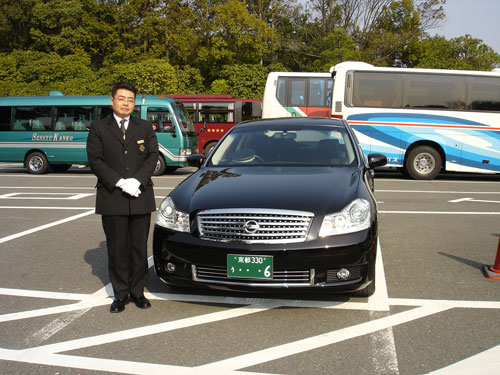


Typical duties and service expectations
Chauffeurs are expected to combine safe driving with customer-oriented behavior. Typical duties include:
- Driving clients to and from destinations on time and along suitable routes.
- Helping passengers enter and exit the vehicle, handling luggage, and maintaining a tidy interior.
- Planning routes, monitoring traffic and weather, and adjusting schedules as needed.
- Performing basic vehicle checks and coordinating maintenance with a fleet manager or owner.
Qualifications, training and standards
Requirements vary by country and employer but commonly include a valid professional driving license, a clean driving record, and background checks. Many chauffeurs receive additional training in defensive driving, first aid, and customer service or etiquette. Corporations, private clients, and security services may have further vetting or specialized training, for example for secure transport or working with high-profile individuals.
History and development
The word "chauffeur" comes from the French verb meaning "to heat," a reference to the early days of motor vehicles when drivers tended steam engines. Over time the role evolved from operating mechanically demanding vehicles into a service profession associated with luxury and discretion. While historically linked to horse-drawn carriage drivers and early motor-car attendants, modern chauffeurs work in a variety of contexts from private hire limousines to corporate travel fleets.
Distinctions and modern context
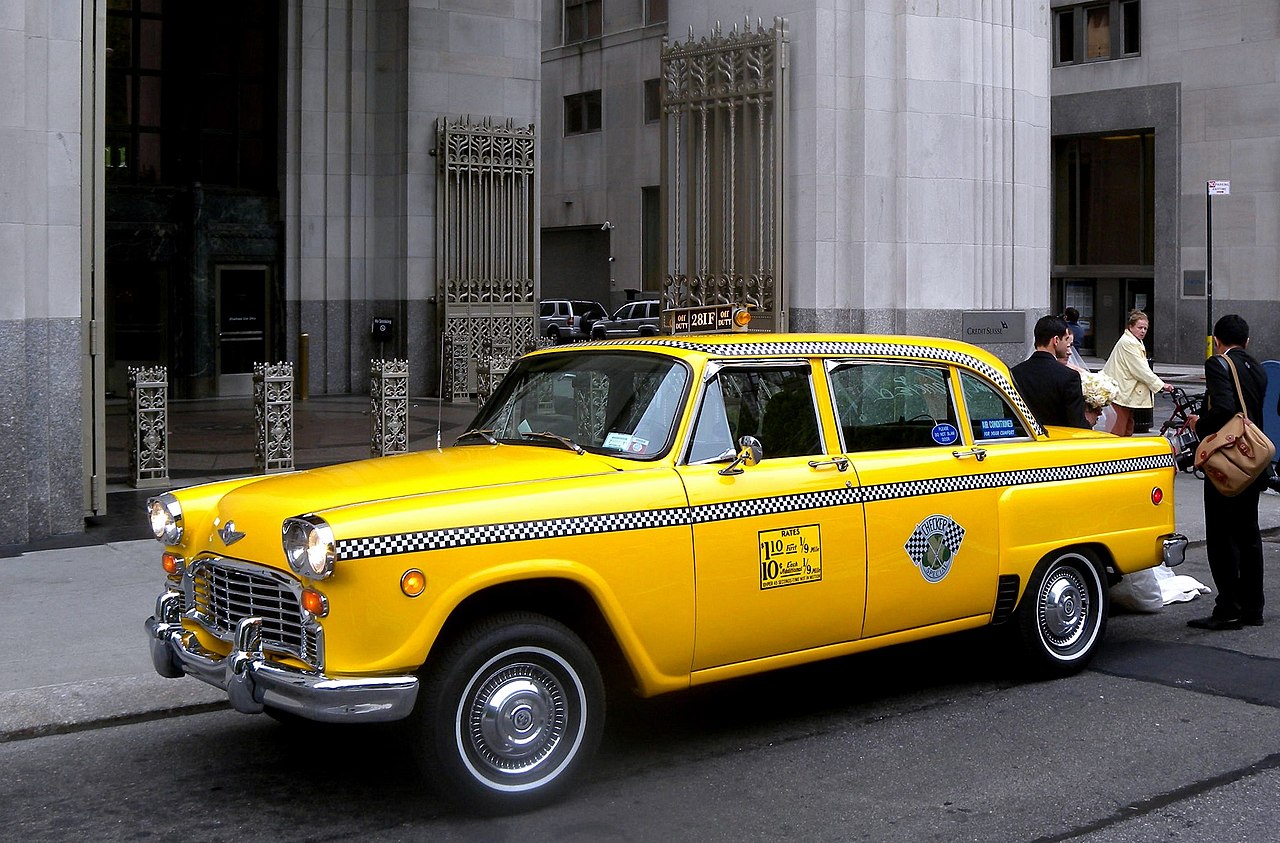
In everyday language, the word "driver" covers many occupations: those who operate public-transport vehicles such as buses or commercial vehicles, and those who drive taxis or ride-hail cars (taxis) are usually called drivers rather than chauffeurs. The label "chauffeur" implies an emphasis on passenger comfort, discretion, and a higher level of personal service. Today the role coexists with other mobility options and has adapted to include corporate transportation, event services, executive protection, and on-demand luxury travel.
Notable variations include private household chauffeurs, corporate fleet drivers, and security-trained chauffeurs. The profession continues to balance practical driving skills with hospitality, security awareness, and professionalism tailored to client needs.
Related articles
Author
AlegsaOnline.com Chauffeur: professional private driver and specialist attendant Leandro Alegsa
URL: https://en.alegsaonline.com/art/19033