
Charybdis — Greek mythic whirlpool and sea monster
Charybdis, a monstrous sea entity of Greek myth, is known for creating a deadly whirlpool opposite Scylla; famed in Homeric and later literature and a metaphor for choosing between dangers.
Overview
Charybdis is a figure from ancient Greek myth commonly described as a dangerous sea creature that created a powerful, ship‑swallowing whirlpool. Classical sources present her as the counterpart of Scylla, together forming a lethal nautical hazard in narrow waters. Her name is often invoked in the idiom "between Scylla and Charybdis", meaning forced choice between two evils.
Image gallery
7 Images



Characteristics and description
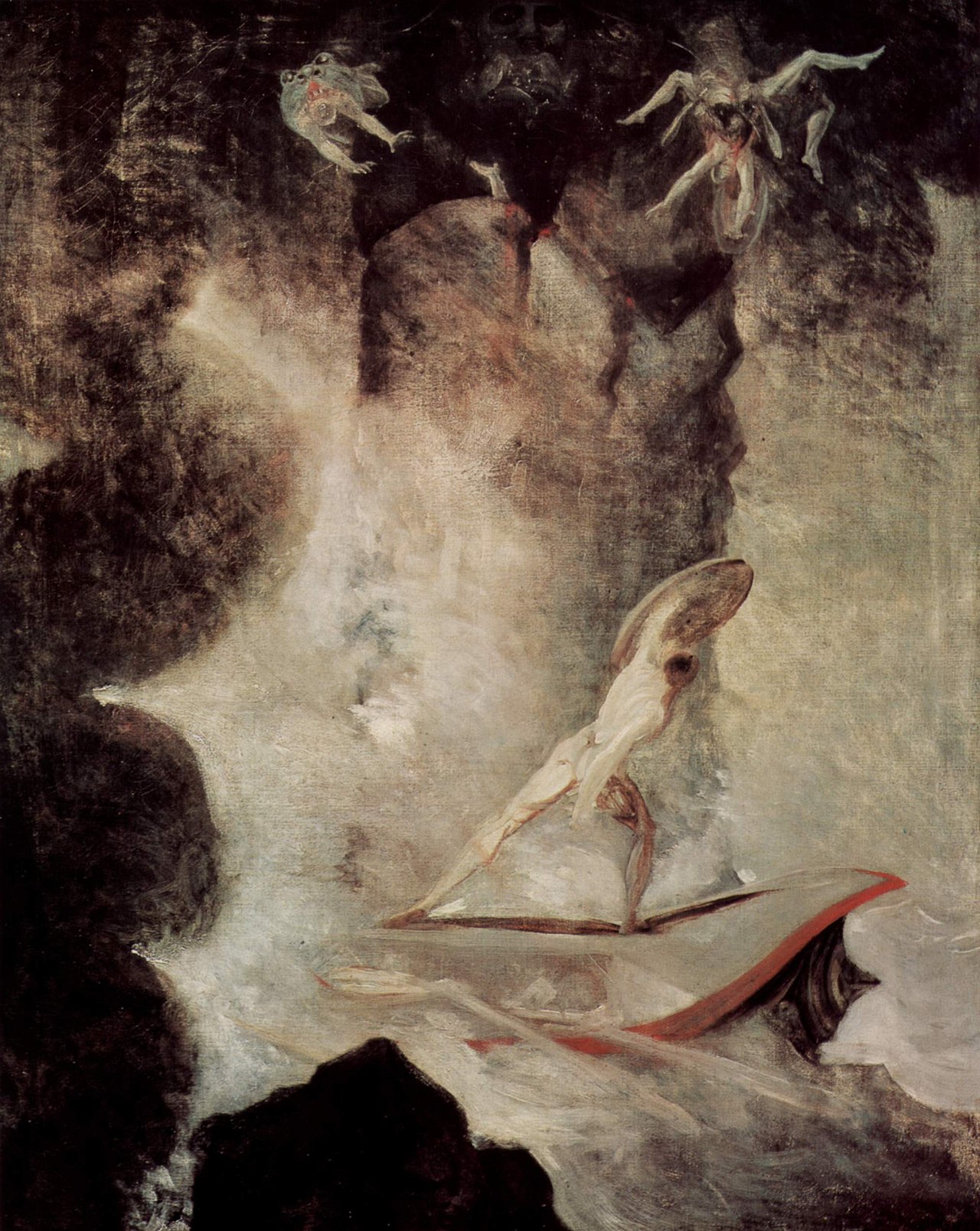
Accounts vary: some traditions depict Charybdis as a monstrous mouth or vortex in the sea rather than a single-bodied beast. She is said to make the water rise and fall, drawing ships down into a sudden maelstrom. Ancient authors emphasize the danger of passing too close: sailors risked being sucked under or dashed on rocks while trying to avoid Scylla.
Origins and mythic genealogy
Many sources identify Charybdis as a child of the sea god Poseidon (sometimes paired with other primordial figures), linking her nature to the forces of the sea itself. Details differ across poets and playwrights: mythic genealogies were fluid, and later retellings adapted her origins to local storytelling traditions.
Literary appearances
Charybdis appears in early epic poetry and later Roman literature. In Homer she is part of the perilous passage that confronts Odysseus, and later writers repeat and expand the motif to explore human courage and fate at sea. The image of a sucking whirlpool provided a vivid narrative obstacle for ancient sailors and storytellers alike.
Cultural legacy and metaphor
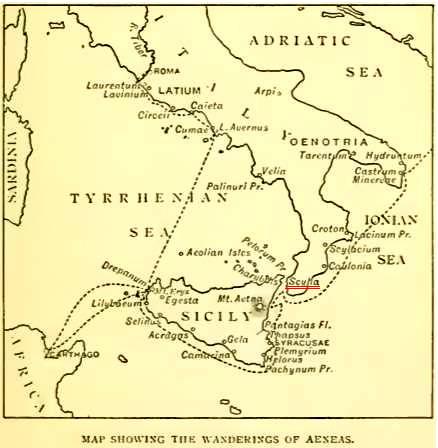
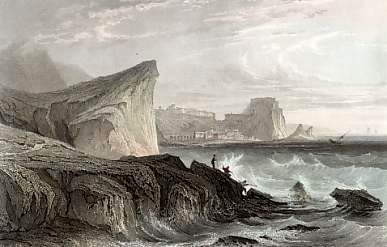
Beyond myth, Charybdis functions as a powerful metaphor in Western literature and speech for an unavoidable danger opposite another threat. The pairing with Scylla has been used in moral, political and rhetorical contexts to describe choices where every option carries risk. Maritime folklore sometimes links the story to real hazardous straits such as the Strait of Messina.
Related notes and distinctions
- Charybdis differs from typical single-bodied monsters in that many traditions emphasize a whirlpool or sea‑gap rather than a creature with limbs.
- She is often treated as complementary to Scylla, representing two forms of maritime peril: engulfing water versus predatory rock or beast.
- For introductions to the wider mythic context, see general summaries of Greek mythology.
Related articles
Author
AlegsaOnline.com Charybdis — Greek mythic whirlpool and sea monster Leandro Alegsa
URL: https://en.alegsaonline.com/art/18900